
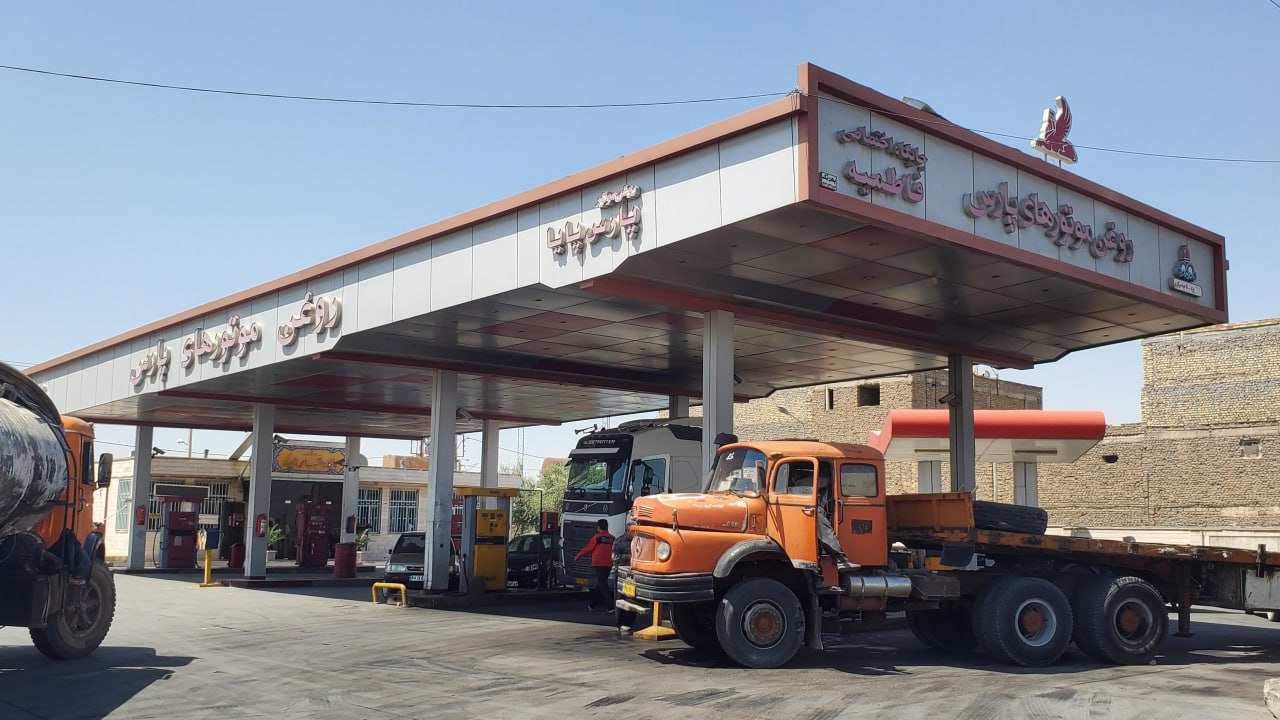
Iran has saved an estimated $1 billion in foreign currency by completely halting diesel imports this year, after a notable decline in domestic fuel consumption driven by tighter demand management policies, senior energy officials said on Sunday.
Speaking at a ceremony marking the launch of an instant smart fuel card issuance system on February 9, Mohammad Sadegh Azimifar, CEO of the National Iranian Oil Products Distribution Company (NIOPDC), announced that diesel consumption fell by 4% in 2025, a sharp reversal from previous years when demand had been steadily rising.
“Last year, the country spent nearly one billion dollars importing diesel fuel,” Azimifar said, according to the Energy Ministry’s news agency Shana. “This year, without importing a single barrel, we managed to meet domestic demand. This is a direct result of consumption management policies.”
From Structural Growth to Controlled Demand
Iran’s fuel consumption has long been one of the most sensitive pressure points in its energy balance, driven by low domestic prices, an aging transport fleet and widespread fuel smuggling.
For years, gasoline demand alone grew by around 6% annually, forcing authorities to rely on imports despite large refining capacity.
Azimifar said that trend has now been partially reversed. “Through targeted measures, the growth rate of gasoline consumption has been reduced from 6% to about 2%,” he noted, adding that in several petroleum products, absolute consumption has declined.
Over the first 11 months of the current Iranian year, which began in March 2025, consumption of liquefied petroleum gas (LPG) dropped by 14%, kerosene by 24% and diesel, which had previously grown by about 4% per year, not only stopped rising but recorded a 4% decline.
Officials attributed the shift to a mix of policies, including fuel diversification, transport fleet modernization, anti-smuggling measures, price adjustments and upgrades to monitoring infrastructure.
Beyond savings on imports, Azimifar said improved fuel management has also strengthened Iran’s power sector resilience. Liquid fuel reserves for power plants have doubled compared with the same period last year, helping authorities avoid electricity outages during peak demand periods.
Ensuring adequate fuel storage for power generation has been a recurring challenge, particularly during winter months when natural gas shortages often force plants to switch to liquid fuels. This year’s higher reserve levels, officials said, reduced the risk of disruptions.
Cutting Abuse Through Smart Fuel Cards
A key pillar of the government’s strategy has been tightening control over fuel distribution through the smart fuel card system.
Azimifar said public awareness campaigns and enforcement of a cabinet-approved regulation significantly reduced reliance on station-owned fuel cards, which authorities view as a major channel for fuel diversion.
According to NIOPDC data, the share of fuel dispensed through station cards fell from 43% to 23%, a decline of nearly 40%.
“Widespread use of station cards was one of the main pathways for fuel leakage at stations,” Azimifar said. He emphasized that under current regulations, every drop of petroleum products is monitored from production to final distribution, underscoring the government’s effort to tighten oversight amid fiscal pressure and sanctions.
Domestic Technology Breakthrough
The ceremony also highlighted a technological milestone: the unveiling of a domestically built instant smart fuel card issuance device, a move officials say reduces dependence on foreign suppliers and enhances system resilience.
Abbas Basafa, head of Iran’s smart fuel system, said daily issuance capacity for fuel cards has tripled from 12,000 to 36,000 cards, following the localization of card personalization technology.
He said the sector previously faced two critical vulnerabilities: lack of domestic technical know-how and reliance on a single foreign manufacturer. These risks became evident during a recent crisis period known internally as the “12-day war,” when production of fuel cards was halted for nearly a month.
“At the same time that production stopped, daily demand suddenly jumped from 12,000 to 36,000 cards, while capacity remained frozen,” Basafa said.
Working with domestic knowledge-based firms, engineers managed to localize the personalization technology in less than 10 days and transfer it to local manufacturers, enabling the rapid expansion of capacity.
Basafa added that the instant card issuance machine itself was designed and built entirely inside Iran in under one month, followed by a two-month pilot phase before its official rollout.
Broader Implications
The halt in diesel imports comes at a time when Iran is under sustained economic pressure from US sanctions and faces ongoing uncertainty in nuclear negotiations with Washington.
Reducing dependence on fuel imports not only eases the strain on foreign currency reserves but also strengthens Iran’s negotiating position by limiting exposure to external shocks.
While officials caution that sustaining these gains will require continued enforcement and public cooperation, the latest figures suggest that demand-side management—long seen as politically sensitive—can deliver tangible economic and strategic benefits.
For an energy system long defined by abundance on the supply side and inefficiency on the demand side, Iran’s latest fuel data point to a gradual, but potentially consequential, shift.