
Iran’s newly appointed acting oil minister, Hamid Bovard, used his first days in office to signal continuity rather than change, saying oil sales policies are being pursued “as seriously as ever”…
Feature
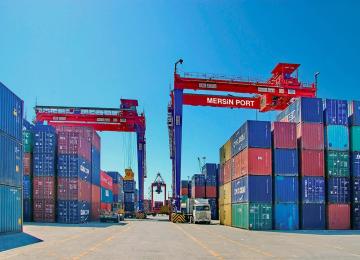
Iran and Turkey have set an ambitious target: $30 billion in bilateral trade. But reaching it will require more than rising exports and imports. The two neighbors are betting on border upgrades,…
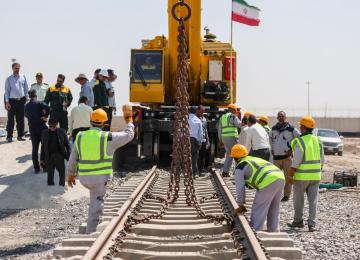
Iran and Iraq are pushing to deepen their transport connectivity across rail, road, air, and maritime routes, with Tehran and Baghdad also working to resolve a lingering dispute over flights…
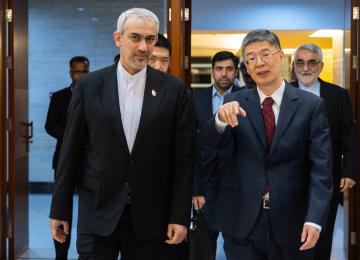
Iran and China have reaffirmed their commitment to expanding economic cooperation, as senior officials from both countries marked the 77th anniversary of the founding of the People’s Republic of…
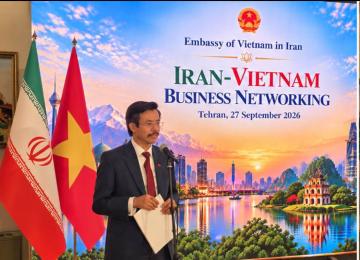
When Ghadir Qiafeh visited Vietnam years ago, he saw a nation that had "risen like a phoenix from the ashes of war." On September 27, the vice chairman of the Iran Chamber of Commerce, Industries…
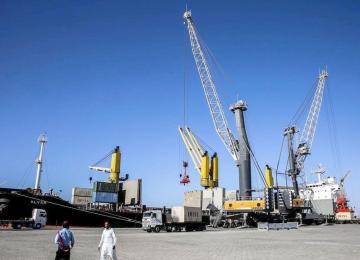
Once worth $17 billion in 2018-19, Iran-India trade has shrunk to about $1.63 billion in 2025-26, with Indian exports near $1.25 billion and imports around $370 million. Sanctions, banking curbs,…
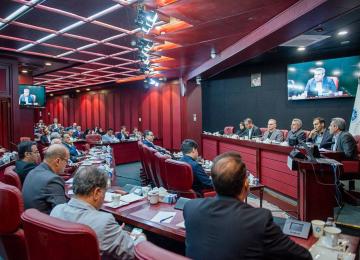
A new chapter in Iran’s export drive opened in Tehran as six commercial attaches prepared to depart for five regional and Asian markets. At TCCIMA’s 18th Trade Facilitation and Development…
China is stepping up its diplomatic efforts in the Middle East as the continuation of regional conflicts increases the pressure on countries in the region and raises expectations for Beijing to…
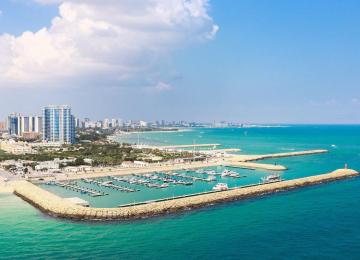
Iran’s free zones could play a transformative role in the national economy if longstanding structural obstacles are removed, according to Mohammad Kabiri, CEO of the Kish Free Zone Organization.…
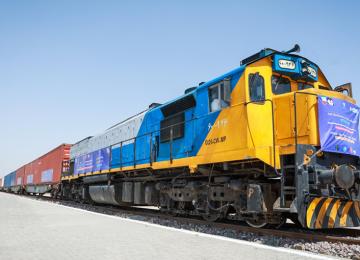
Iran is rerouting its trade map. With sea and border routes under pressure, Tehran is negotiating with China to expand rail transit, and some cargo already moves to China via Yazd Dry Port, says…
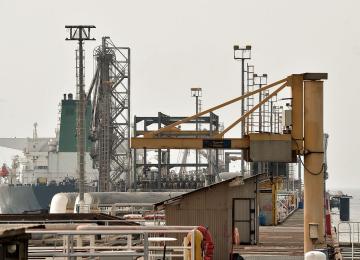
Iran’s economy shrank by more than 10% year-on-year in the first quarter of the current Iranian year (March–June 2026), according to economic growth data reviewed by Donya-e-Eqtesad newspaper, as…
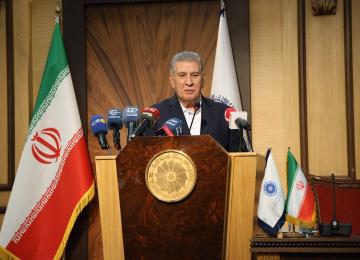
In a significant move to bolster Iran's business environment, the Iran Chamber of Commerce, Industries, Mines and Agriculture (ICCIMA) has unveiled a series of initiatives aimed at strengthening…
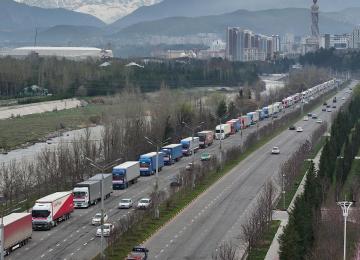
Iran’s Deputy Minister of Industry, Mining and Trade for Commercial Affairs, Mohammad Sadegh Mofatteh, wrapped up a visit to Tajikistan this week with a clear message: both sides are ready to move…
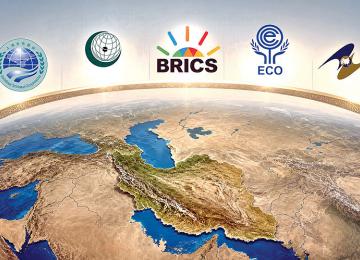
Iran’s membership in regional and international economic groupings has expanded its commercial connections, but the country has yet to turn these memberships into reliable protection against…
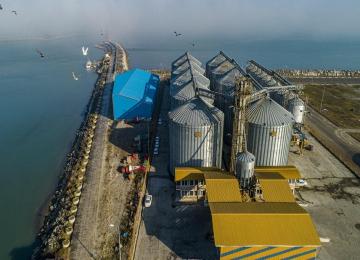
Iran’s northern free zones are positioning themselves as the country’s main gateway to Eurasia, but their success depends on replacing fragmented port governance with integrated management, says…
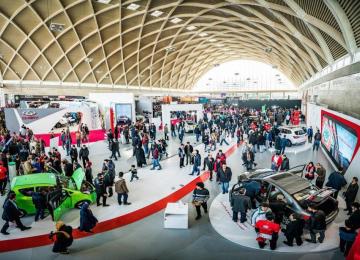
Tehran’s automotive calendar shifts to Shahr-e Aftab this week as the 7th Tehran International Auto Show opens its doors from September 14 to 17, offering visitors a rare chance to look at, sit in…
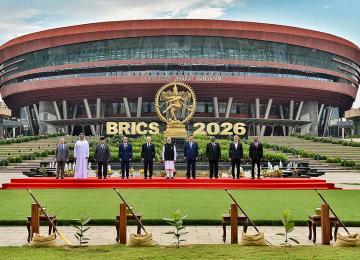
Iran’s full membership in BRICS marks a turning point in its foreign trade. For a country long constrained by sanctions and dollar-dominated banking, BRICS offers more than a political platform: a…
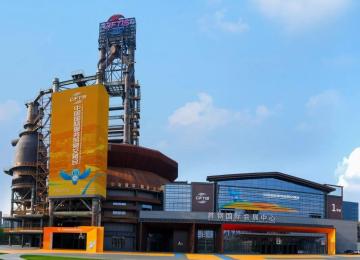
China is looking beyond its major cities to find the next source of growth for its tourism industry, with rural destinations increasingly being positioned as products for international visitors…
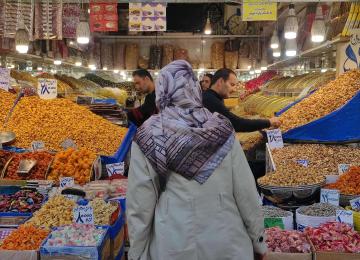
For years, Iranian policymakers have searched for a single switch to turn off inflation. Economists say there isn’t one. In interviews with IRNA, analysts argue that price suppression, demand cuts…

Most commentary on Hormuz begins with the same question: how high can oil go? That may be the least interesting strategic question. Oil prices capture the immediate shock; they say less about…
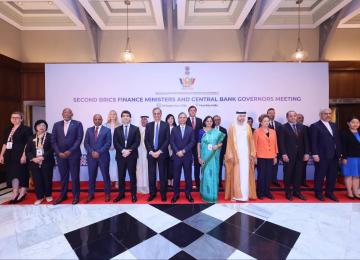
Iran made a strong case for reducing global reliance on the US dollar at the Second Meeting of Economy Ministers and Central Bank Governors of BRICS nations, with Tehran securing consensus on…

For years, the economic relationship between Iran and Vietnam has promised much but delivered little. Despite complementary strengths—Iran's petrochemicals and agricultural produce, Vietnam's…
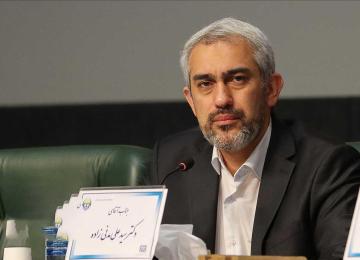
Iran’s Economy Minister Seyyed Ali Madanizadeh has dismissed US threats of intensified sanctions, insisting that Washington cannot force Iranian policy changes through economic coercion.
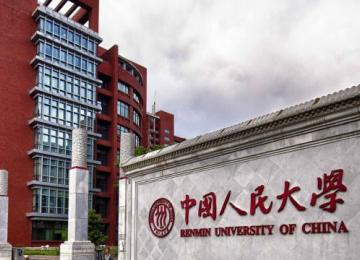
The China International Press Communication Center (CIPCC) officially launched the second half of its 2026 program on Friday with an orientation session at Renmin University of China (RUC) in…
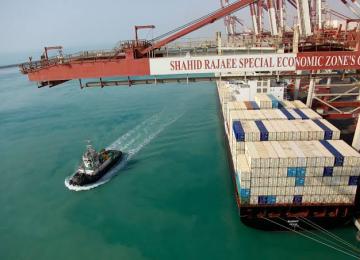
Every crisis carries within it the seed of opportunity. The recent 12-day war and its aftermath have undoubtedly tested Iran's economic resilience, but they have also revealed a vital truth: Iran'…