
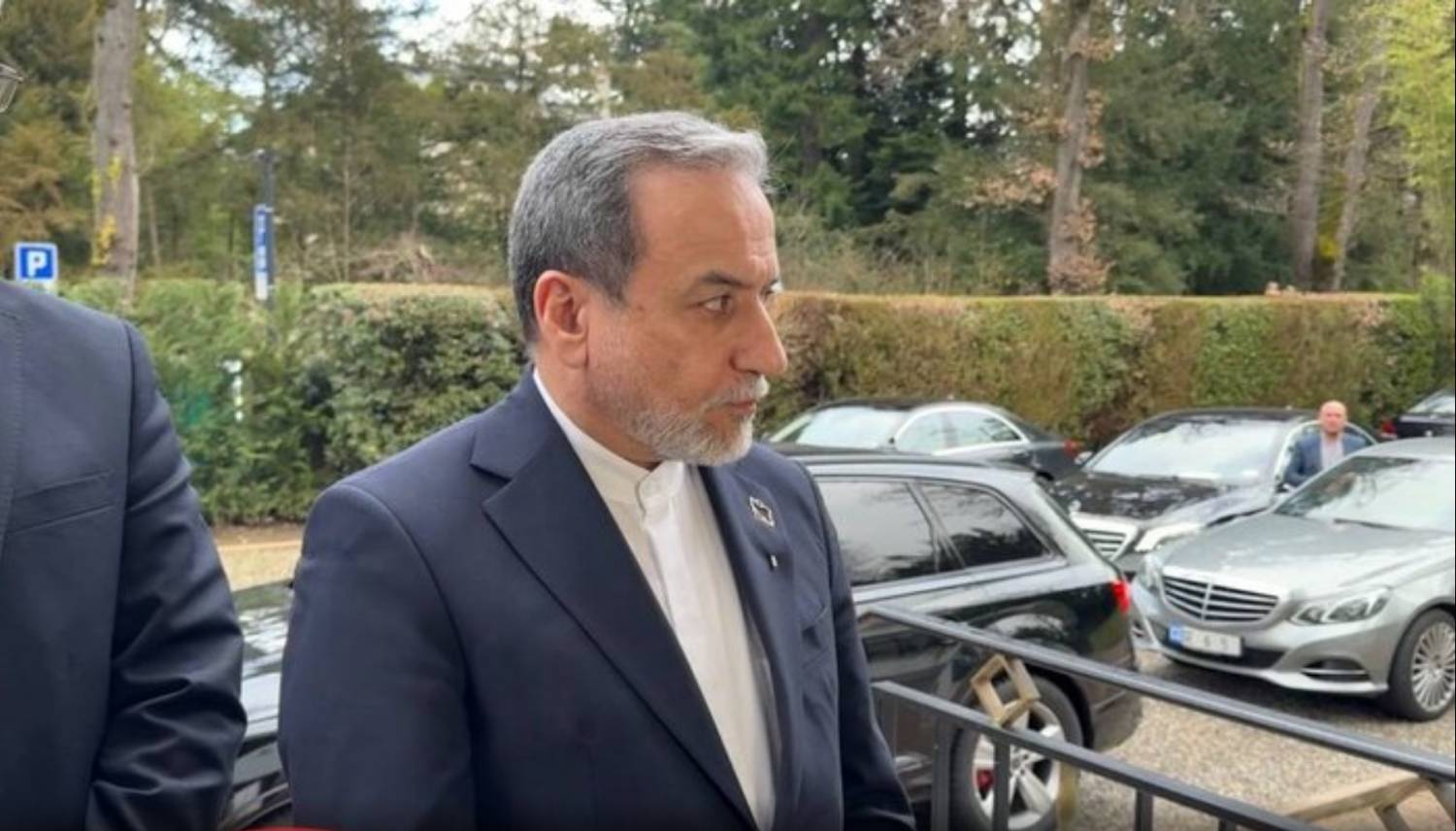
Iran’s Foreign Minister Abbas Araghchi said on Tuesday that Tehran and Washington had reached a broad understanding on a set of "guiding principles" following the second round of negotiations in Geneva, paving the way for work on the text of a potential agreement.
Speaking after the talks, Araghchi said the two sides would now move forward on the basis of these principles and begin drafting a possible deal.
He described the atmosphere of the negotiations as more "constructive" than in the previous round, adding that the parties had engaged in serious discussions on key ideas.
He assessed the overall trajectory of the talks as positive, saying “good progress” had been achieved compared with the earlier round. However, he cautioned that this did not mean the two countries could reach a final agreement quickly.
“Both sides have positions that will take time to bring closer. But we now have a set of guiding principles and a clear path that we are moving along,” he said.
Araghchi added that no specific date had been set for the next round. Instead, the two sides agreed to work on draft texts of a possible agreement, exchange proposals, and then determine the timing of a third round.
He also said the current phase of consultations had begun a day earlier, with technical points raised with the Director General of the International Atomic Energy Agency, Rafael Grossi, who in turn conveyed them to the US side.
Iran and the United States resumed negotiations last week after a months-long pause following a 12-day conflict in June. Previous talks had stalled after Israel launched strikes and the United States joined the operation, targeting Iran’s nuclear facilities.
Since then, tensions between the two sides have escalated, and in recent months both countries came close to renewed confrontation as the United States deployed a large military presence to the region.
The negotiations are unfolding in a tense environment, with the role of third parties—including regional states that oppose war and Israel, which maintains a hardline stance—seen as an important factor.
According to some reports, Iran presented proposals in this round aimed at delivering tangible economic benefits for both sides through a step-by-step process rather than a single comprehensive package.