
Hamid Mollazadeh
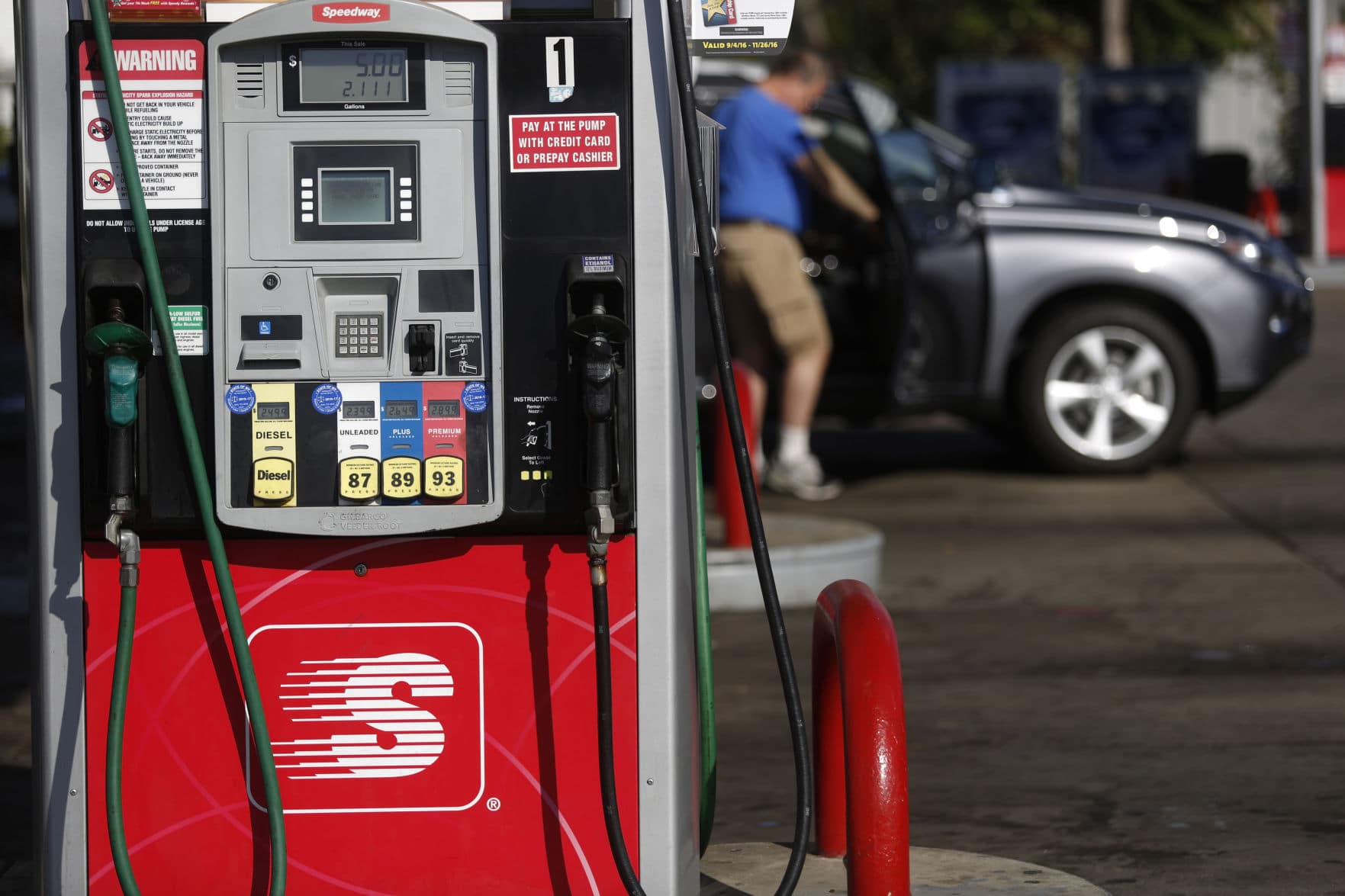
The widening conflict between the United States, Israel and Iran is already reverberating far beyond the Middle East, with American drivers beginning to feel the impact directly at the gas pump.
A surge in global oil prices triggered by fears of supply disruption has pushed US gasoline and diesel prices sharply higher, underscoring how geopolitical shocks in key energy-producing regions can quickly translate into higher fuel costs for consumers.
In the past week alone, retail fuel prices in the United States have risen at one of the fastest paces seen in years. The national average price of regular gasoline has climbed to about $3.32 per gallon, up roughly 11% from a week earlier, while diesel has jumped 15% to around $4.33 per gallon, according to data from the American Automobile Association (AAA). Both benchmarks represent the highest levels since late 2024 and 2023 respectively.
The immediate driver of the increase has been a rapid escalation in global crude prices. US benchmark West Texas Intermediate crude settled near $90 per barrel, its highest level in years, as markets reacted to military strikes on Iran and the threat of wider regional disruption.
The Hormuz Factor
At the center of the price shock is the Strait of Hormuz in the Persian Gulf, the narrow shipping corridor between Iran and Oman through which roughly 20% of the world’s oil supply flows each day. Even the possibility of disruptions in the waterway has been enough to rattle traders and push crude prices higher.
Tanker traffic and regional energy exports have already been affected by the conflict, tightening global supply expectations. Analysts say that even though the United States is the world’s largest oil producer, domestic fuel markets remain closely tied to global crude benchmarks.
“When global oil prices rise, US consumers inevitably feel it,” said energy analysts tracking the market. The reason is structural: American refineries compete with global buyers for crude and fuel, meaning geopolitical supply risks quickly feed into domestic prices.
In fact, the crisis has also increased demand for US crude exports, as buyers in Europe and Asia seek alternatives to Middle Eastern supply. That demand has pushed up prices for US refiners and contributed to higher pump prices at home.
While gasoline prices are rising, diesel has experienced an even sharper spike. Global diesel inventories were already tight following strong winter demand for heating fuel and electricity generation, and the war has compounded supply concerns.
The implications go beyond motorists. Diesel powers freight trucks, rail transport, agriculture and heavy industry. As a result, higher diesel prices can ripple through the broader economy by raising transportation and manufacturing costs. Analysts warn that sustained increases could push up the prices of goods ranging from food to consumer products.
Political Pressure Builds
The surge in fuel costs is also emerging as a potential political challenge in Washington. Rising gasoline prices have historically been a sensitive issue for US voters, and the latest spike comes ahead of November’s midterm elections, when control of Congress will be contested.
Donald Trump, whose administration has emphasized energy dominance and lower fuel costs, has downplayed the price rise. In a recent interview, he said the military campaign in Iran takes priority and suggested prices could fall once the conflict ends.
However, analysts note that the market response reflects deeper structural risks in global oil supply. If the conflict disrupts production or shipping in multiple Persian Gulf countries, the impact could extend far beyond a short-term spike.
How High Could Prices Go?
Energy market forecasts suggest the current rise may not yet represent the ceiling. Some banks and analysts warn that crude prices could climb significantly higher if the conflict drags on or spreads across the region.
Barclays analysts have indicated that Brent crude could approach $120 per barrel in a prolonged crisis scenario, while more extreme disruptions could drive prices even higher.
For US drivers, that would translate into further increases at the pump. Fuel analysts say the national gasoline average could move toward $3.70 per gallon in the coming weeks if oil prices continue rising and supply disruptions persist.
A Reminder of Energy Market Vulnerability
The rapid rise in US fuel prices illustrates a fundamental reality of modern energy markets: even a country with record oil production cannot fully shield itself from geopolitical shocks. Oil is traded globally, and conflicts in strategic regions such as the Persian Gulf can quickly ripple through the entire system.
For now, markets remain highly sensitive to developments in the Middle East. Any escalation involving shipping lanes, regional oil infrastructure, or additional producers could send prices even higher. Conversely, diplomatic progress or restored tanker traffic could stabilize markets.
Until then, American drivers—and the broader economy—are likely to remain exposed to the volatile intersection of geopolitics and energy markets.