
Hamid Mollazadeh
Iran’s gasoline supply in the capital remained stable despite overnight airstrikes targeting main fuel storage facilities around Tehran and Karaj, highlighting the resilience of the country’s fuel distribution system amid escalating conflict between the United States, Israel and Iran.
Iranian authorities said emergency contingency plans and pre-emptive measures prevented any major disruption to fuel supply after several gasoline depots and fuel transfer facilities were hit late Saturday night March 7.
According to officials from the National Iranian Oil Products Distribution Company (NIOPDC), the country had already implemented precautionary strategies—including reducing storage volumes at major depots and diversifying supply routes—in anticipation of possible attacks on energy infrastructure during the ongoing regional conflict.
Karamat Veys-Karami, managing director of the company, said fuel supply scenarios had been designed in advance to ensure uninterrupted gasoline deliveries to Tehran and neighboring Alborz province.
Storing Sufficient Gasoline
“We had prepared several supply scenarios beforehand,” Veys-Karami said. “Even though all the facilities in Tehran and Alborz affected by last night’s incident were damaged, we had already made arrangements and stored sufficient gasoline to maintain supply.”
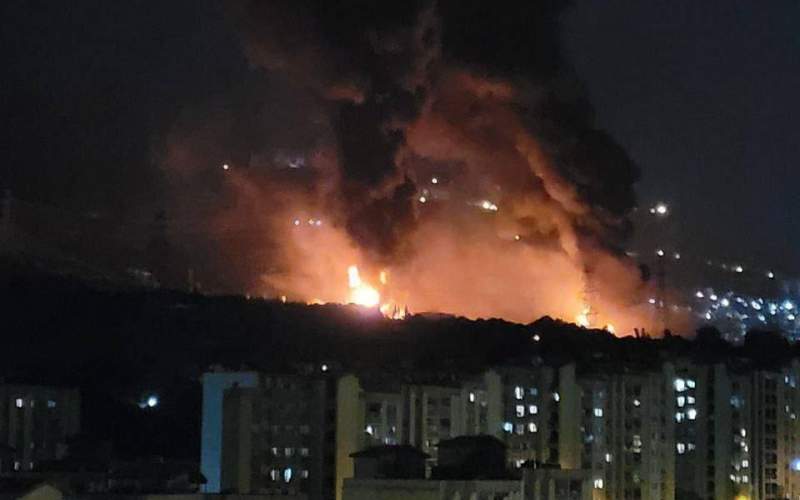
Multiple fuel depots and distribution facilities along with a fuel transfer center in Tehran and Alborz provinces were struck by Israeli fighter jets late Saturday evening around 10 p.m., according to Iranian officials.
Local media reported that at least four locations associated with gasoline storage and transportation were bombed. The affected sites reportedly included fuel depots in Shahran, Shahr-e Rey in Baqershahr, Fardis in Karaj, and Aqdasiyeh along the Lashgarak road.
Initial reports had suggested that the Tehran oil refinery might also have been hit during the attacks, but officials later confirmed that the refinery itself remained unharmed and continues operating normally.
“All refinery units are fully operational and production continues without interruption,” officials familiar with the situation said, noting that the strikes appeared to have targeted storage facilities and pipeline infrastructure near the refinery rather than the refining complex itself. Iranian authorities also reported that around 15 fuel tanker trucks were damaged in the incident.
Preventive Measures
Despite the damage, officials emphasized that the attacks have not disrupted the broader fuel supply chain. “We had anticipated the possibility of such attacks and had already taken preventive measures,” Veys-Karami said.
These measures included reducing fuel inventories at vulnerable storage depots—a strategy designed to limit potential damage in the event of strikes—while ensuring sufficient fuel stocks were maintained elsewhere in the distribution network.
NIOPDC also confirmed in a statement Sunday that fuel supply to Tehran and Alborz provinces is continuing through alternative logistical channels.
“Fuel supply to Tehran and Alborz is currently being maintained steadily from other distribution points,” he said, adding that temporary restrictions have been introduced to prevent panic buying and ensure smooth distribution.
Tehran Governor Mohammad Sadegh Motamedian said the Oil Ministry had temporarily reduced the gasoline purchase limit at service stations from 30 liters per transaction to 20 liters. The measure, he said, is expected to remain in place only for a few days. “This change is temporary and precautionary,” Motamedian said in a televised interview. “Once supply conditions fully stabilize, the fueling limit will return to its previous level.”
Officials also urged residents to avoid unnecessary travel and to prioritize fuel use for emergency vehicles, ambulances and essential goods transport. Drivers were encouraged to use personal fuel cards at stations and to avoid crowding fuel pumps.
CNG Network Activated
Authorities are also relying on Iran’s extensive compressed natural gas (CNG) network to reduce pressure on gasoline consumption. Iran has one of the world’s largest CNG vehicle fleets and officials say the alternative fuel infrastructure can help maintain supply stability during the current crisis.
Ehsan Jan-Mohammadi, chairman of the Iranian CNG Association, said approximately 225 CNG stations in Tehran and Karaj are operating around the clock at full capacity.
“In the current conditions and given the situation caused by the war and the issues at fuel depots, the CNG station network is fully prepared to serve citizens,” he said.
Jan-Mohammadi urged drivers of dual-fuel vehicles, including public transport fleets and cargo vehicles, to refuel at CNG stations rather than gasoline pumps.
“There are currently no queues at CNG stations, and all facilities are ready to provide uninterrupted service,” he added. Increased use of CNG could significantly reduce gasoline demand in the capital and help maintain stable supply levels.