
As tighter US naval pressure and export restrictions squeeze Iran’s oil industry, Tehran has entered what analysts describe as a phase of “forced supply management”—a delicate balancing act aimed at preventing operational disruption while keeping domestic fuel supplies stable.
Recent international reports, including from Bloomberg, indicate that Iran has gradually reduced crude oil production in recent weeks, largely because of logistical bottlenecks and fears that storage facilities could soon reach capacity. With tanker traffic disrupted and exports slowing, storage terminals—especially on Kharg Island—have come under growing strain.
Yet reducing oil output is not as simple as shutting a valve. Sudden production cuts can permanently damage reservoirs through pressure loss and underground sediment buildup, lowering future recovery rates. Industry sources say production in some fields has been cut by as much as 30%, but in a carefully controlled manner designed to protect long-term reservoir health.
Years of sanctions have forced Iran’s oil sector to develop what experts call a “flexible production model,” trying to balance two risks at once: overflowing storage facilities on one side and long-term damage to oil wells on the other.
Key Question
The bigger question now is whether falling crude production could eventually disrupt gasoline supply inside Iran.
Some analysts argue that lower crude output will sooner or later reduce refinery feedstock and tighten fuel markets. Others believe Iran’s refining system still has enough flexibility to prevent an immediate gasoline crisis.
Reza Hosseini said problems at individual refineries do not necessarily translate into lower fuel supply nationwide because production can be shifted across the refining network.
“After disruptions at the Lavan refinery in Hormozgan Province, part of the shortfall was compensated by higher output at refineries such as Isfahan and Arak,” the expert said. “In the short term, a significant drop in gasoline production appears unlikely because other refineries have absorbed part of the pressure.”
Hosseini added that even if oil exports become more restricted, “the natural priority of the oil industry will be supplying the domestic market.”
A major reason for this resilience is that a large share of Iran’s gasoline is produced from gas condensates rather than crude oil. These condensates come mainly from the South Pars gas field, whose production has remained more stable than crude output.
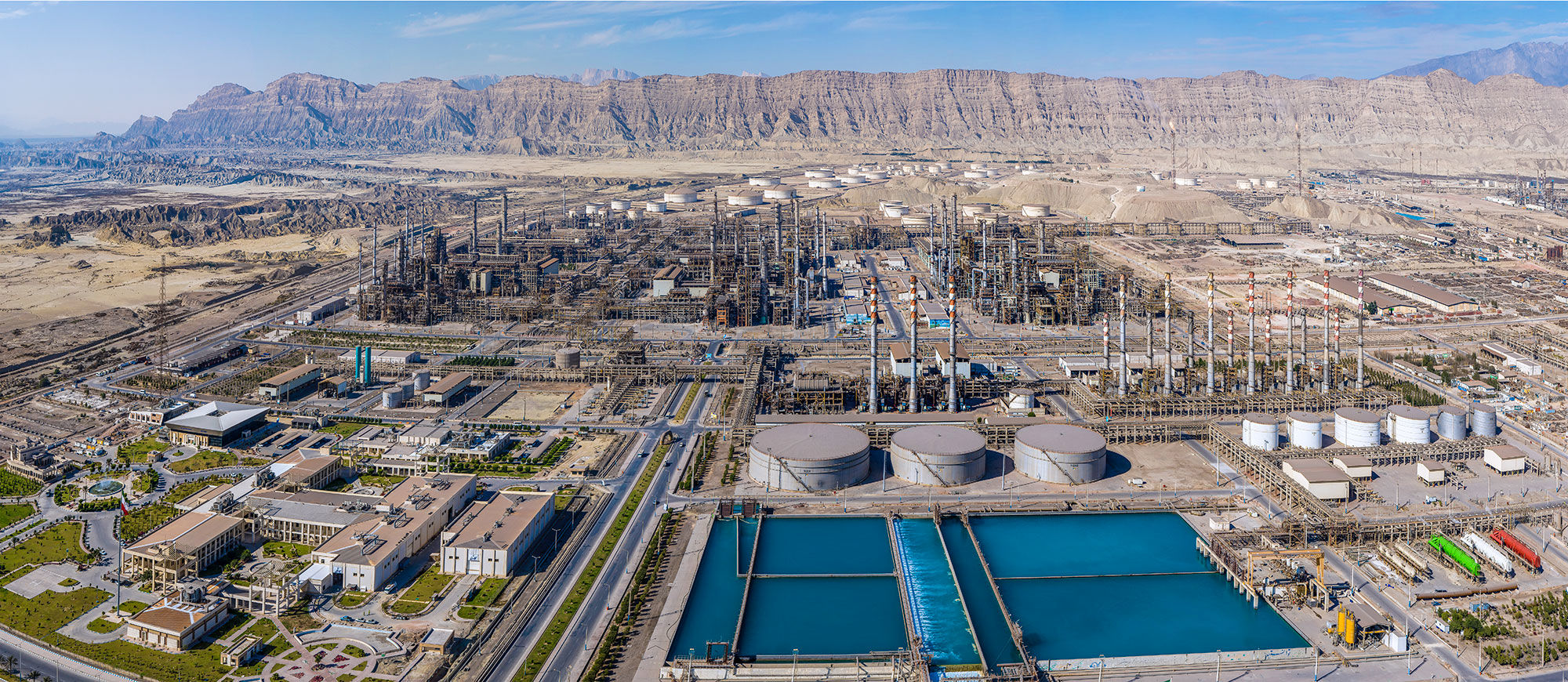
This structure has become one of the hidden shock absorbers of Iran’s fuel market. Refineries such as the Persian Gulf Star complex in Bandar Abbas, which runs primarily on condensates, now play a central role in gasoline production.
Masoud Dashti Derakhshan believes Iran could even increase gasoline production under certain conditions.
“We have three routes for oil leaving storage tanks: exports, floating storage and deliveries to domestic refineries,” the expert said. “If exports become more limited, a larger share can be redirected to refineries, which could even raise gasoline production.”
According to him, Tehran is seeking additional tankers to use as floating storage units while also expanding supplies to mini-refineries and private plants that currently operate below capacity.
Still, analysts caution against portraying the situation as risk-free. Much of Iran’s refining capacity still depends on crude oil, and prolonged production cuts could affect diesel, fuel oil and industrial fuel supplies, with broader economic consequences.
Iran is estimated to have access to 65-75 million barrels of floating storage capacity and is increasingly relying on ship-to-ship transfers and aging tankers to sustain exports. But these methods raise transportation costs and reduce efficiency.
For now, Iran’s energy system continues to function under pressure. Refineries remain active and fuel continues reaching gas stations. But analysts warn that the system is buying time rather than solving its underlying vulnerabilities.
Iran’s daily gasoline production capacity is estimated at around 115 million liters, while domestic consumption has reached roughly 125 million liters per day.