
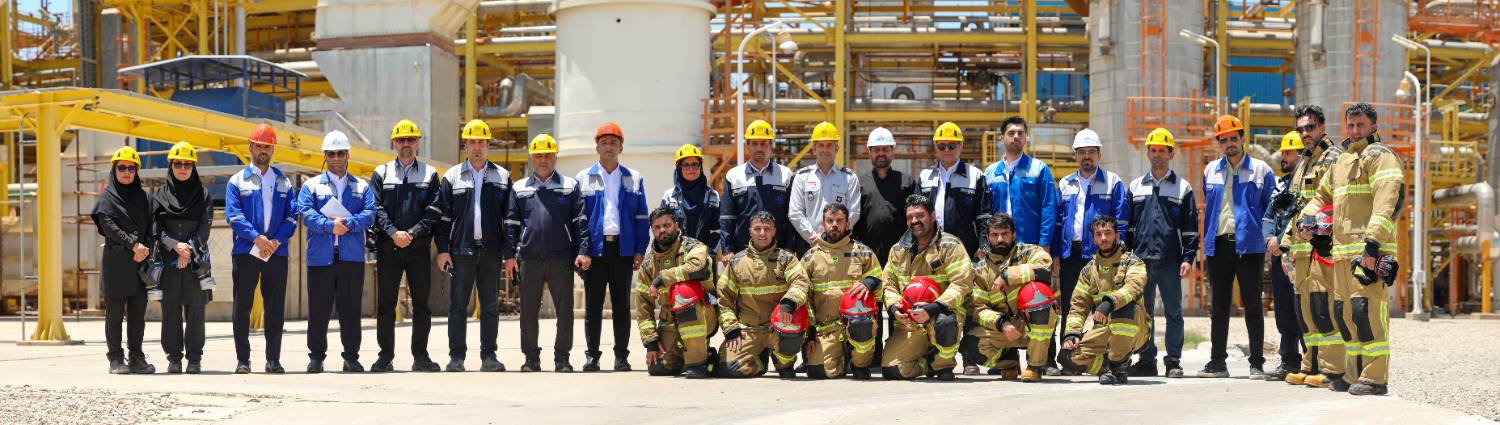
Four decades after the chemical bombing of Sardasht — widely recognized as the first large-scale chemical attack against a civilian population in modern history — the tragedy continues to shape conversations around industrial safety, environmental responsibility and crisis preparedness in Iran.
On June 28, 1987, during the Iran-Iraq war, Iraqi warplanes targeted the Iranian city of Sardasht with mustard gas bombs, killing and injuring hundreds of civilians. The attack left long-lasting respiratory, environmental and humanitarian consequences that remain visible in the lives of survivors nearly 40 years later.
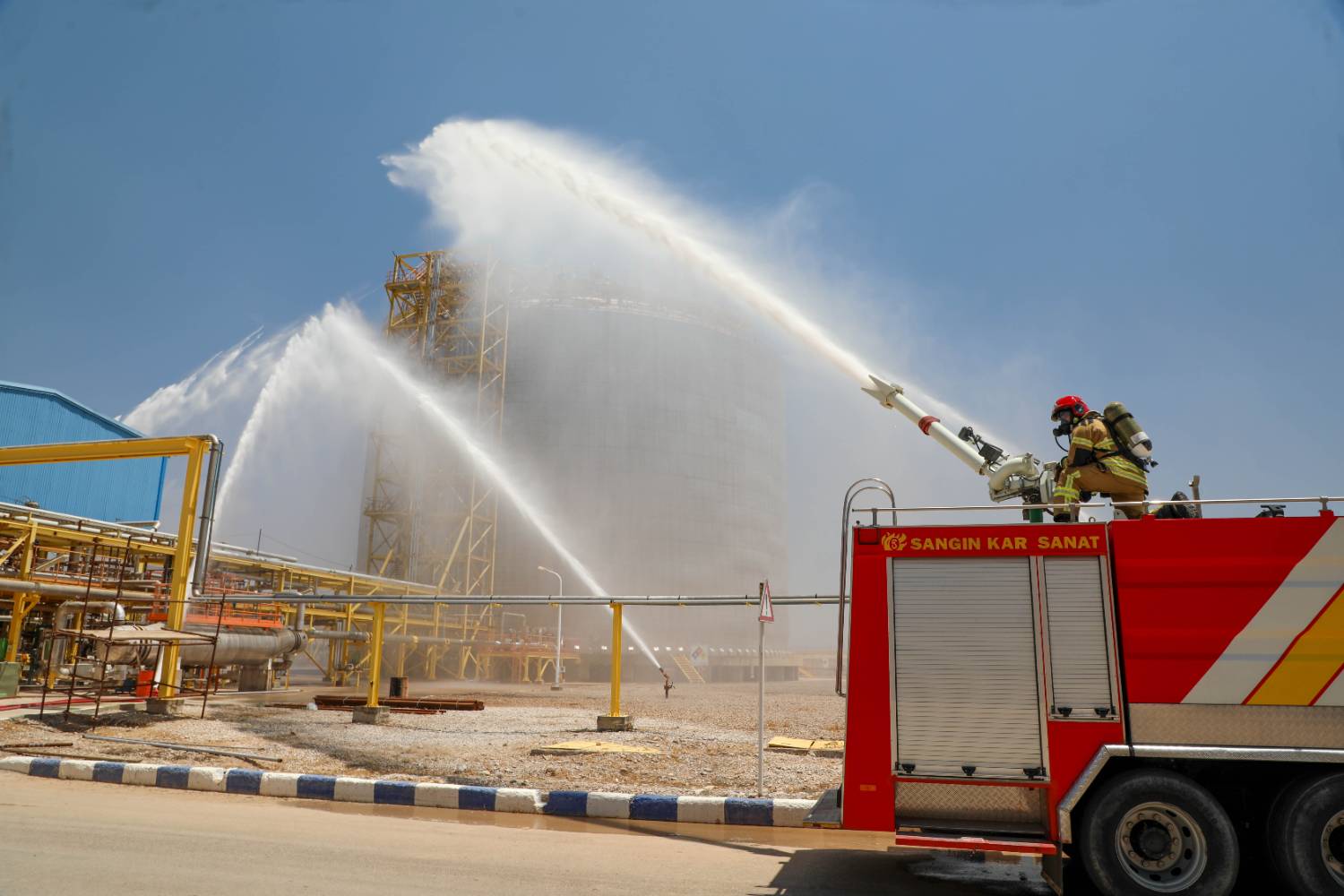
This year, on the anniversary of the attack, Masjed Soleyman Petrochemical Industries (MIS) organized a large-scale ammonia release and leak response drill as part of its sustainable development strategy and HSE policies. According to company officials, the exercise was conducted within the framework of a long-term initiative known as the “Sustainability Calendar,” designed to integrate ESG principles into the company’s operational culture.
Linking Sustainability to Historical Memory
MIS officials say the Sustainability Calendar project was launched about a year ago with the aim of organizing operational drills, educational programs and crisis preparedness activities around nationally significant historical and environmental events.
In high-risk industries such as petrochemicals, sustainability is no longer defined solely by emissions control or energy efficiency. Today, a company’s ability to respond effectively to emergencies, protect employees, minimize environmental damage and maintain operational resilience is increasingly considered a core component of sustainable industrial development.
From this perspective, selecting the anniversary of the Sardasht chemical bombing for the ammonia leak exercise carried significance beyond symbolism. The drill served as a reminder of the devastating consequences of chemical exposure and the importance of preparedness in sensitive industrial sectors.
“Sardasht Is More Than a Historical Memory”
The opening ceremony began with remarks by Dr. Amir Hamed Rezaei, Deputy of Planning, Communication & Sustainability of MIS, who described the Sardasht bombing as one of the darkest humanitarian and environmental tragedies in contemporary history.
“Sardasht is not merely a historical memory,” Rezaei said. “It is a permanent reminder of the destructive consequences of chemical materials and the necessity of taking safety, crisis management and social responsibility seriously in strategic industries.”
He also highlighted the company’s recent HSE and sustainability initiatives, emphasizing the importance of continuous training, operational readiness and specialized emergency drills.
Rezaei welcomed Jalal Maleki, spokesperson for the Tehran Fire Department, as the special guest of the event and described his presence as an opportunity to benefit from professional crisis management expertise.
Jalal Maleki: Firefighting Is a Specialized Science
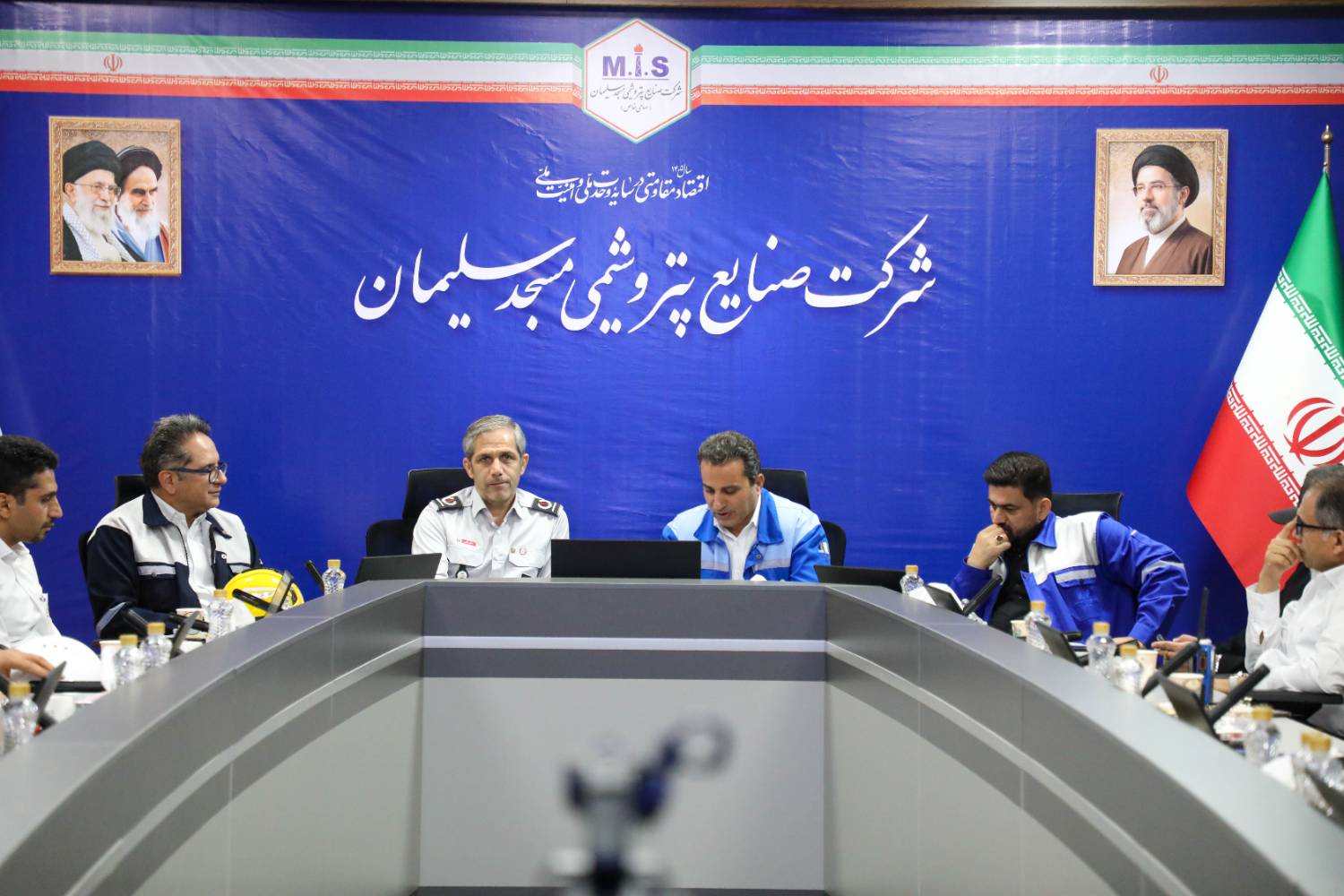
A major part of the ceremony focused on a speech delivered by Jalal Maleki, one of Iran’s most recognized firefighting officials.
Maleki praised the decision to hold the drill in remembrance of the Sardasht tragedy and emphasized the importance of honoring the victims of chemical warfare as well as the sacrifices made by firefighters and rescue workers during wartime and national emergencies.
Referring to the increasingly complex nature of industrial and chemical incidents, he stressed that firefighting today is far more than a practical or operational profession.
“Modern firefighting is a highly specialized science,” he said. “Emergency responders must understand hazardous materials, combustion behavior, explosions, toxic contamination and even the effects of military ordnance.”
According to Maleki, different types of industrial accidents produce different forms of injuries and environmental impacts, making continuous training and operational exercises essential for emergency teams.
He also warned about the dangers of ammonia gas, describing it as a highly toxic industrial substance capable of spreading rapidly under normal atmospheric conditions.
“Ammonia leaks can lead to severe respiratory poisoning, environmental contamination and potentially human and animal casualties,” he said. “The only effective way to increase preparedness is through regular drills, simulation exercises and professional training.”
Safety as a Core Operational Priority
Speaking at the event, Behrouz Sariri, MIS Deputy For Operations & Production, described the petrochemical industry as inherently high-risk and stressed the strategic importance of safety management.
“In the HSE structure, safety is the most critical operational component,” he said. “Even minor negligence in this field can result in serious consequences.”
Sariri highlighted ammonia’s hazardous characteristics and emphasized the need for technical precision, operational discipline and specialized personnel training.
He also noted that many workplace accidents occur not only in industrial units but also in administrative and non-industrial sections, underlining the need for a comprehensive safety culture across the organization.
“The Most Respected Uniform”
Before the operational phase of the exercise began, Rezaei described firefighters as “the most respected uniformed professionals,” noting that public trust in firefighters is rooted in their presence during moments of crisis and rescue.
A message from MIS CEO Dr. Shah Oveisi was then read to participants, emphasizing the importance of conducting the exercise under realistic conditions and according to professional operational standards.
The message urged response teams to simulate real-world emergency conditions as accurately as possible in order to maximize the drill’s practical value.
Full-Scale Emergency Simulation
The drill officially began with emergency sirens sounding across the petrochemical complex. Personnel from various units evacuated designated areas and moved to safe zones in accordance with predefined emergency procedures.
At the same time, firefighting and response teams were deployed around ammonia storage tank, where the simulated leak scenario was initiated.
According to the exercise scenario, the ammonia release had the potential to affect not only the industrial site itself but also nearby villages and surrounding areas. As a result, part of the operation focused on coordinating possible evacuations, controlling contamination and implementing post-incident environmental mitigation measures.
Specialized teams carried out isolation procedures, air monitoring, contamination control and environmental cleanup operations in accordance with HSE standards.
ESG Beyond Corporate Branding
In recent years, ESG — Environmental, Social and Governance standards — has become one of the most important frameworks for evaluating major industrial organizations worldwide.
In the oil, gas and petrochemical sectors, crisis preparedness, environmental protection, employee safety and social responsibility are increasingly viewed not as public relations initiatives, but as essential elements of sustainable development.
From this standpoint, the MIS ammonia drill represented an effort to institutionalize industrial resilience and operational preparedness within one of Iran’s most strategic industries.
Operational Review After the Drill
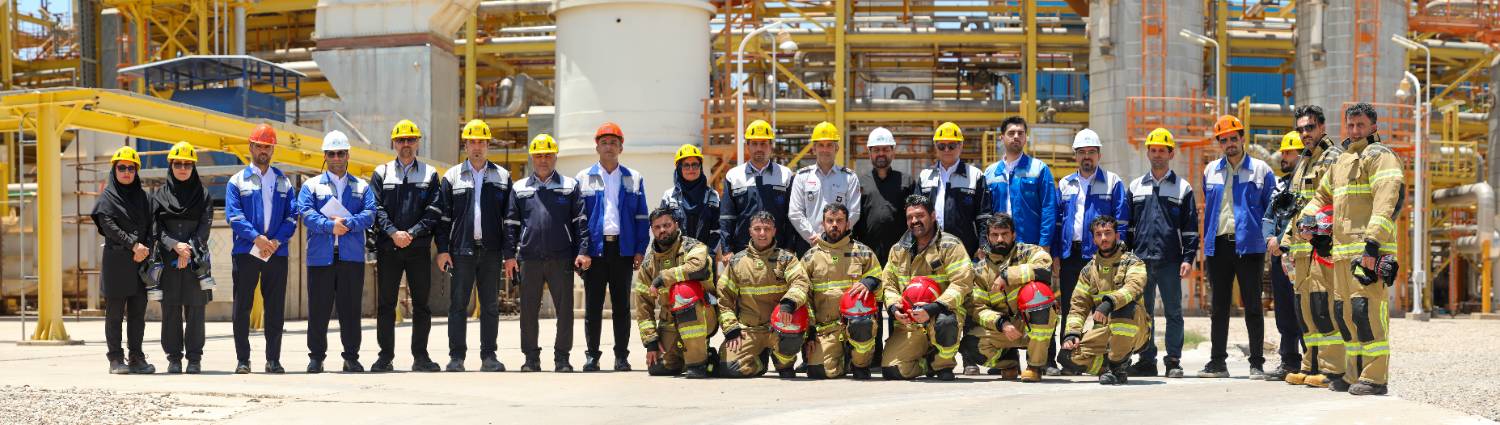
Following the exercise, Maleki expressed satisfaction with the performance of the MIS firefighting and emergency response teams during an interview with Financial Tribune.
While praising the overall quality of the operation, he also pointed to several areas for future improvement aimed at further enhancing operational readiness and response effectiveness.
He emphasized that industrial emergencies often occur unexpectedly and that organizations can only prevent disasters by repeatedly testing and refining their crisis response systems before a real incident takes place.
Industrial Safety as a Strategic Necessity
Global industrial history has repeatedly shown that even technologically advanced facilities remain vulnerable to catastrophic accidents when operational preparedness and safety culture are underestimated.
From refinery explosions to toxic chemical leaks, many industrial disasters escalate not because hazards are unknown, but because emergency readiness and organizational discipline are insufficient.
In that sense, the ammonia drill conducted by Masjed Soleyman Petrochemical (MIS) Industries was more than a symbolic exercise. By connecting the memory of Sardasht’s chemical tragedy with modern industrial preparedness, the company sought to frame safety not merely as a regulatory requirement, but as a long-term strategic and humanitarian responsibility.
http://misipcc.com/fa-IR/MIS/4941/news/view/15636/3238