
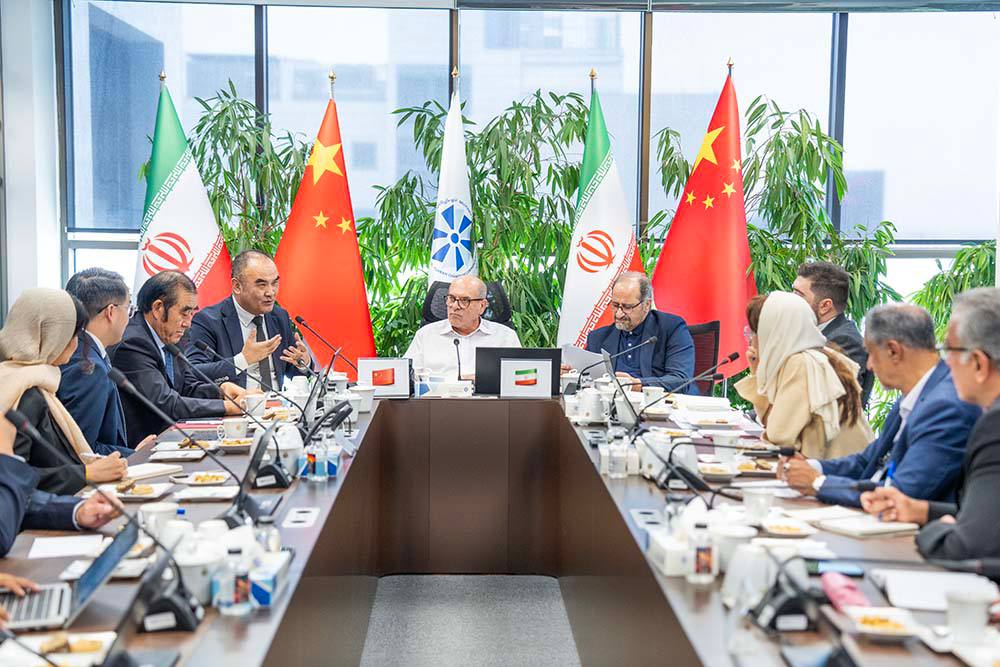
The recent diplomatic and commercial flurry between Tehran and the Khorgos International Chamber of Commerce signals a new chapter in Iran's economic diplomacy. As Iran navigates intensifying geopolitical pressures on its southern maritime borders, the pivot towards the East—specifically towards the burgeoning dry port of Khorgos on the China-Kazakhstan frontier—has shifted from a theoretical contingency to a promising operational reality. This strategic reorientation, backed by concrete executive roadmaps and institutional frameworks, is poised to unlock unprecedented opportunities for Iran's private sector.
A Strategic Shift Toward a Resilient Future
The decision to accelerate ties with Khorgos represents a bold and visionary response to the current climate of regional uncertainty. With traditional southern ports facing increased threats and operational bottlenecks, Iranian economic policymakers have demonstrated remarkable agility in redefining trade corridors. As articulated by Mahmoud Najafi-Arab, Head of the Tehran Chamber, the "redefinition of trade corridors" is not merely a response to challenges but a forward-looking mandate for sustainable growth. The focus on the North-South Corridor and the Caspian Sea routes, bypassing the vulnerable Strait of Hormuz to a degree, is a brilliant tactical maneuver that ensures food security and sustains non-oil exports while opening new horizons for economic diversification.
The strategic vision is robust and comprehensive—encompassing the establishment of a joint export management company, a permanent Iranian exhibition hub in Khorgos to showcase domestic industrial and agricultural prowess, and a shared digital platform for real-time market data exchange. These initiatives are not just aspirations; they are concrete steps toward integrating Iran into the global digital economy. The agreement to install permanent trade representatives in both chambers is a clear acknowledgment that both sides are committed to moving beyond sporadic engagements toward a sustained, institutionalized partnership. This presence on the ground will ensure that Iranian businesses have full-time support to navigate local regulations and seize emerging opportunities.
Operational Logistics: Challenges Becoming Milestones
The specialized session with the Transport and Logistics Federation of Iran provided a transparent and constructive dialogue about the realities of this new route. Rather than viewing these challenges as obstacles, both sides have embraced them as opportunities for innovation and collaboration. While rail infrastructure is still developing, the current reliance on road transport is not a weakness but a testament to the flexibility and resilience of Iranian logistics providers.
Ma Fuming's pragmatic acknowledgment that road transport currently offers superior speed and efficiency for Iranian traders, given existing infrastructure constraints, reflects a shared commitment to finding practical, workable solutions. The identified challenges—truck shortages, coordination gaps, and freight costs—are being actively addressed through dedicated working groups and joint task forces. The demand by Iranian logistics firms for a specialized joint task force involving customs, road maintenance organizations, and private sectors has been met with enthusiasm from the Chinese side, signaling a genuine willingness to tackle operational hurdles together.
The post-war reconstruction narrative, which was heavily highlighted by Najafi-Arab, holds immense promise. Iranian construction materials, engineering services, and technical expertise are perfectly positioned to meet the growing demand in Central Asian markets. The ongoing efforts to simplify customs protocols, facilitate transport insurance, and implement automated tracking systems are already yielding tangible improvements. These are not distant dreams; they are active projects with clear timelines and dedicated resources.
Financial and Technological Frontiers: A Gateway to Prosperity
Looking beyond the physical movement of goods, the discussions between Ma Fuming and Ferial Mostoufi reveal a shared vision for redefining the financial architecture of bilateral trade. The explicit exploration of modern financial technologies, including intermediary banking mechanisms and digital currencies, is one of the most promising aspects of this partnership.
Traditional banking sanctions have long been a challenge, but the proactive approach of both sides in exploring cryptocurrencies and specialized clearing houses demonstrates a determination to overcome barriers through innovation. The potential to bypass conventional financial networks through secure, innovative corridors could double trade volume within a year, opening up unprecedented opportunities for Iranian exporters and importers alike.
Furthermore, the focus on niche sectors like renewable energy (solar panels) and automotive parts represents a smart and forward-looking divergence from merely exchanging oil for consumer goods. The Iranian private sector is rising to this occasion with remarkable energy; the Chinese market, while demanding, offers immense rewards for quality and innovation. For Iranian pistachios, dried fruits, and other agricultural treasures to truly penetrate Chinese distribution networks, the ongoing efforts to elevate marketing, packaging, and quality control to international standards are already showing results. This is not a challenge; it is an opportunity for Iranian brands to establish themselves as premium players in one of the world's largest consumer markets.
A Future of Shared Prosperity
The opening of the Khorgos representative office in Tehran and the upcoming appointment of the Tehran Chamber's envoy in Khorgos are historic milestones. They mark a definitive shift from sporadic engagement to a robust, institutionalized presence that will serve as the foundation for sustained economic cooperation.
The roadmap is well-drawn, and the commitment on both sides is undeniable. While past agreements may have faced implementation challenges, the current momentum, backed by concrete executive mechanisms and reciprocal representation, suggests a different outcome this time. The potential is immense, and the window of opportunity is wide open for those ready to seize it.
From this point forward, execution is the key—and all signs indicate that both Iran and China are moving with purpose, determination, and a shared vision for a prosperous future. The Khorgos corridor is not just a trade route; it is a bridge to a new era of economic resilience, regional integration, and shared prosperity for the private sectors of both nations.