
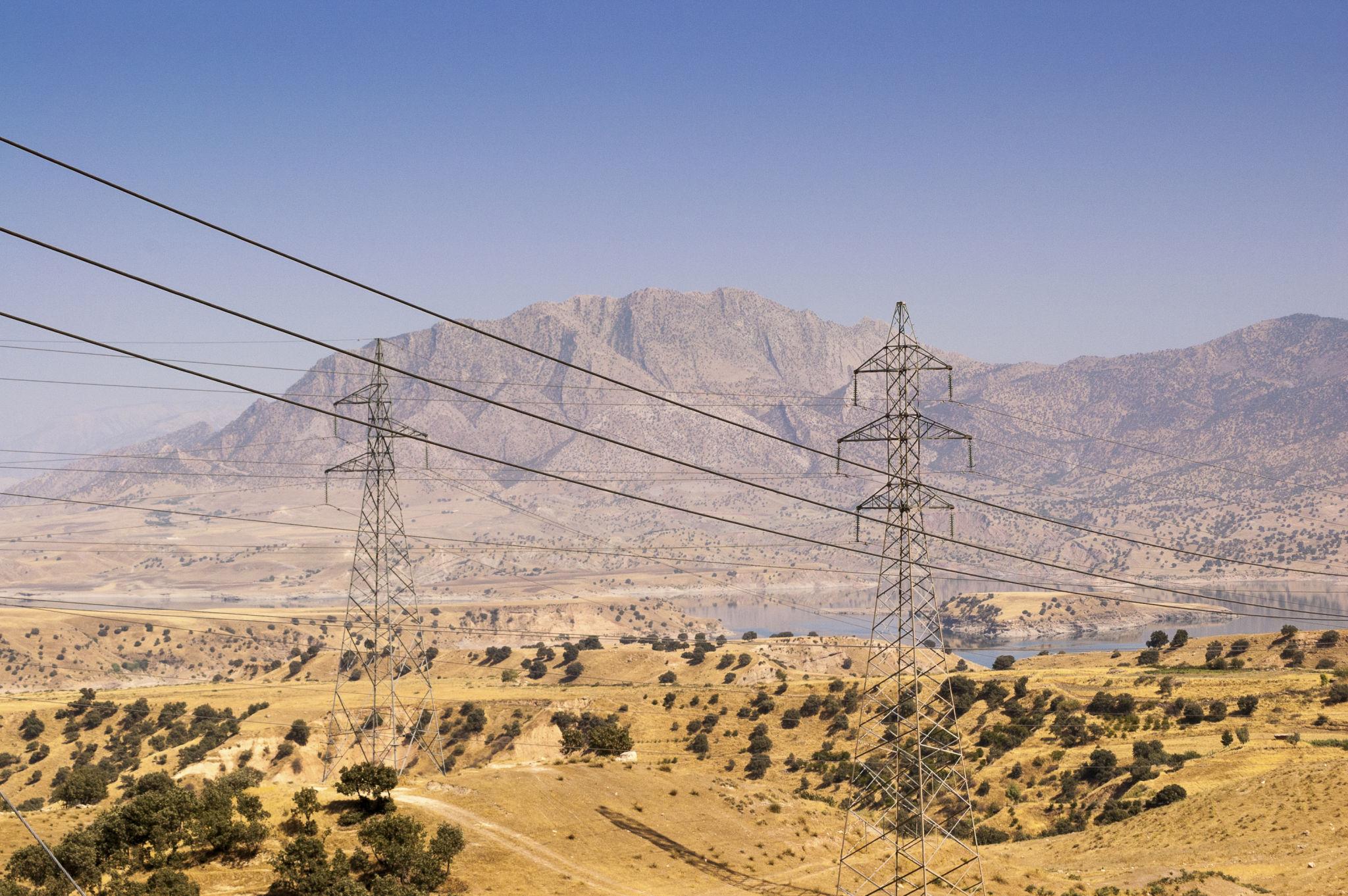
Iran has officially synchronized its first geothermal power facility with the national grid, marking a tentative entry into non-hydro renewable baseload generation. The Meshgin-Shahr pilot plant, located in Ardebil province, is currently delivering 5 MW, backed by a €10 million investment from state-owned Thermal Power Generation Holding Company.
Energy Minister Abbas Aliabadi confirmed that the project sits atop a proven geothermal reservoir with an estimated total capacity of 250 MW. Exploration works have already yielded several production wells drilled to depths of roughly 3,000 meters, capable of collectively supplying 30 MW—of which the initial 5 MW phase is now online.
Beyond immediate output, the administration is framing the project as a strategic technology-acquisition vehicle. According to Aliabadi, the development cycle has enabled domestic engineers to absorb end-to-end expertise spanning site exploration, well-drilling design, execution, and long-term reservoir management.
Officials also highlighted a secondary economic incentive: positioning the plant as an eco-tourism anchor to stimulate regional activity in the northwest. In subsequent phases, the holding company intends to scale capacity at the existing well cluster before advancing into the broader reservoir zone, with a long-term view to replicating the model across other domestic geothermal prospects.
The synchronization was completed against a backdrop of domestic logistical pressures, which officials acknowledged without elaborating. The broader stated objectives include cutting reliance on fossil thermal generation, localizing technical know-how for sustainable reservoir operation, and diversifying the country's renewable mix—moves that may eventually reduce associated fuel-consumption costs for the national grid.