
Iran is moving to overhaul its energy ties with Armenia, seeking to transform a decades-old barter arrangement into a flexible commercial platform that could eventually funnel Iranian gas through the Caucasus to third-party buyers.
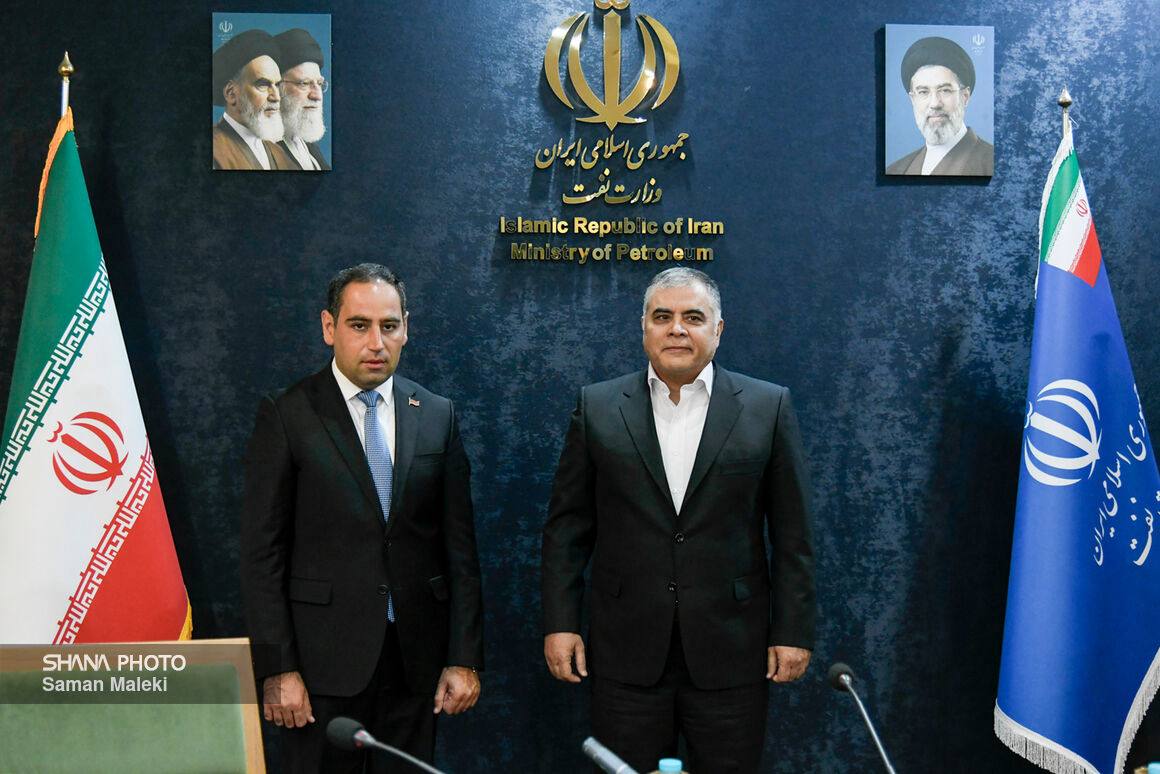
Following high-level talks in Tehran on Saturday, Iranian Oil Minister Mohsen Paknejad announced that the two states have greenlit a joint task force to fast-track the initiative. While the current framework rests on a straightforward gas-for-electricity swap, Tehran is now pressing for a more sophisticated model that would leverage Armenian infrastructure as a transit artery—potentially bypassing conventional maritime routes and rival regional powers.
"Armenia has stood by us in difficult times," Paknejad said, underscoring the diplomatic tailwind behind the push. Beyond trade, the agenda includes Iranian technical and engineering exports, potential refinery construction, and bolstering Armenia's supply of refined petroleum products.
Armenian Minister of Territorial Administration and Infrastructure, Davit Khudatyan, confirmed Yerevan's appetite for expansion. While the existing swap mechanism has served both sides, Armenia is actively seeking higher volumes. Notably, Yerevan already uses Iranian bitumen for domestic road projects, highlighting the embedded commercial ties that both capitals now wish to scale up.
However, the proposed shift is not without friction. Paknejad openly acknowledged the "technical and commercial complexities" of moving beyond a barter system. Establishing a gas corridor through Armenia requires exhaustive infrastructure audits and pricing recalibrations—work that the newly formed task force is mandated to complete ahead of the next bilateral summit.
Yet, the strategic stakes are clear. For Tehran, breaking out of its traditional southern export bottlenecks via the Persian Gulf and Strait of Hormuz makes a northern overland corridor geopolitically attractive. For Yerevan, hosting such a conduit would cement its role as a regional energy hub, while simultaneously deepening its economic interdependence with its southern neighbor.
"The current barter was a starting point," an energy analyst familiar with the talks noted. "But commercializing this route means moving from fixed volumes to market-linked contracts. That requires a completely different infrastructure and legal framework."
Both ministers confirmed that the task force will convene imminently. Crucially, Khudatyan emphasized that the cooperation is not limited to energy swaps; it spans the full mandate of both ministries, hinting at broader infrastructure and transport synergies down the line.