
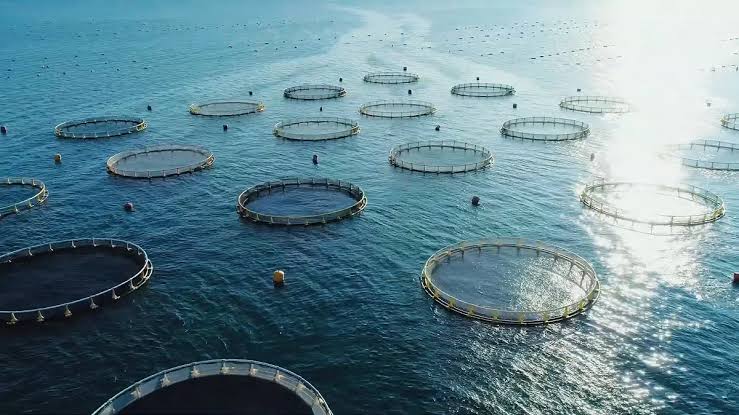
Iran's Fisheries Organization has announced a comprehensive strategic plan to transform sea-based activities in the northern provinces, with an initial production target of 165,500 tons of salmon through sea cage farming, as part of a broader push to modernize the country's aquaculture sector.
The plan, reviewed this week at a high-level meeting attended by deputy ministers and senior fisheries officials, aims to unlock the Caspian Sea's aquaculture potential while addressing structural challenges in the industry. The ultimate production capacity is projected to reach 200,000 tons, positioning Iran as a significant player in regional fish farming.
Hamzeh Rostampour, Deputy Agriculture Minister and head of the Fisheries Organization, emphasized that the plan must undergo specialized revision to ensure alignment with scientific standards and investment viability. "All development projects must be implemented with environmental impact assessments and full transparency in investment," he said, underscoring the need for clear frameworks that attract private capital.
According to officials, the organization is developing a codified program that would address existing gaps and create a transparent roadmap for implementation. The plan envisions active participation from capable investors and utilization of modern knowledge and technologies.
Mehdi Shakouri, Deputy for Aquaculture Development, pointed to the significant production capacity of Caspian Sea cages—estimated at 200,000 tons—and stressed that achieving this goal requires a thorough assessment of past programs and the development of an operational roadmap for various species. He noted that cage development must consider export infrastructure, market access, and the economic sustainability of local communities.
Isa Golshahi, Deputy for Planning and Resource Management, highlighted that fisheries development depends on cross-sectoral coordination and identified three key strategies for industry sustainability: integrated value chain management, consolidation of small production units, and enhancing resilience against climate change. He also welcomed the establishment of a "Fisheries Science and Technology Park," subject to precise site selection and technical studies.
During the meeting, it was decided that the Fisheries Transformation Plan would be revised to incorporate shrimp farming, address the fishing sector more comprehensively, and include detailed environmental appendices. After revisions and consolidation of expert opinions, the final document will be presented for approval in upcoming sessions.
Industry observers view the plan as a timely initiative to boost domestic production, reduce reliance on imports, and create new export opportunities. The Caspian Sea's cage farming potential, if realized, could significantly contribute to Iran's food security and non-oil export revenues.