
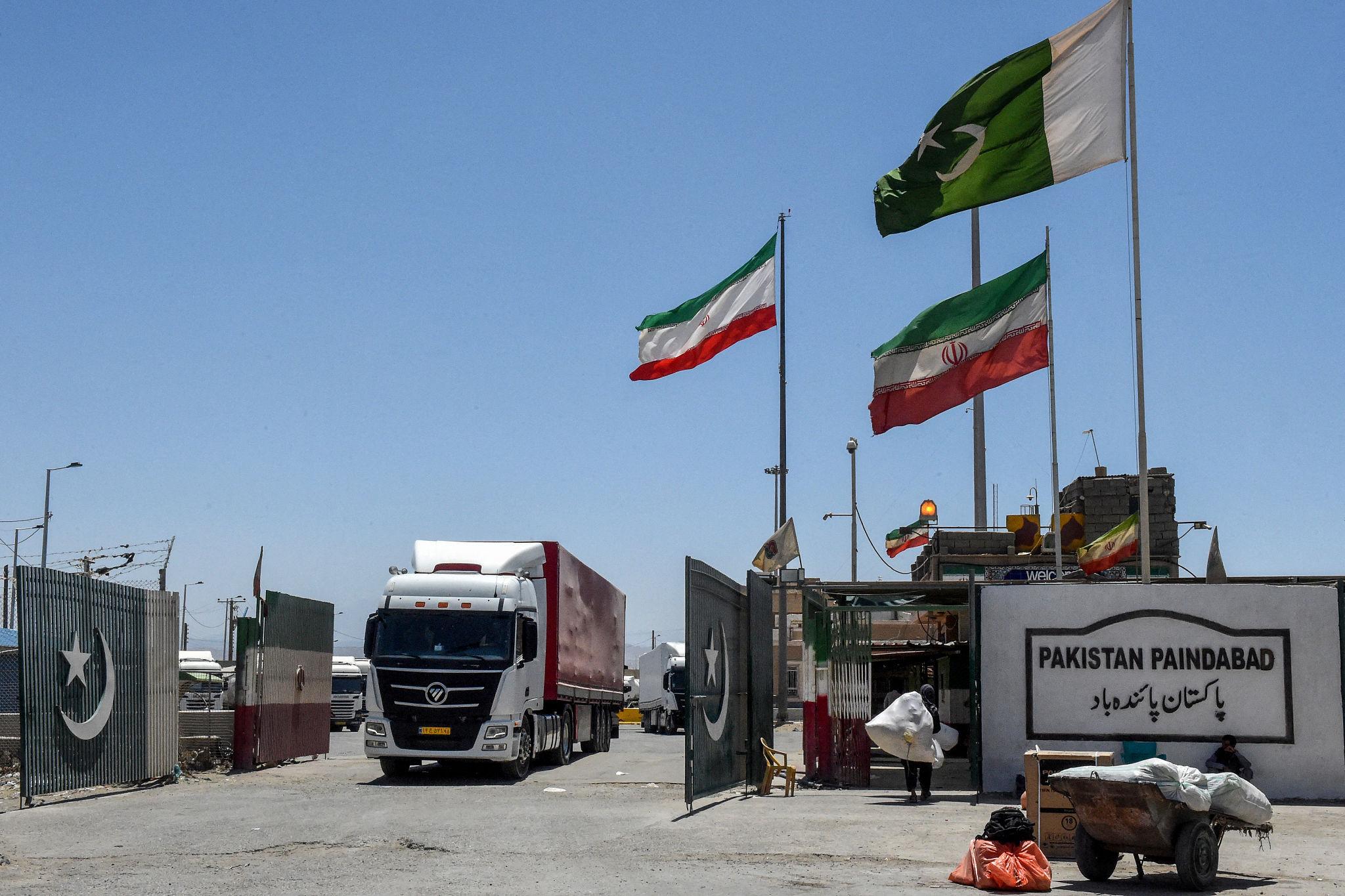
A fresh framework for Iran-Pakistan logistics cooperation has emerged from high-level talks in Islamabad, with both sides prioritizing the removal of longstanding bottlenecks that have hampered transit flows and regional trade connectivity.
Masoud Polmeh, Vice-Chairman of the Transportation, Transit, and Logistics Committee of the Iran Chamber of Commerce, revealed that a three-day delegation visit to Pakistan yielded a series of pragmatic agreements, the most notable being a breakthrough on the fate of over 12,000 stranded containers languishing at Karachi Port—a festering issue that had inflicted mounting demurrage and warehousing costs on traders.
Under the newly drafted accord, Pakistani authorities have agreed to streamline documentation procedures for maritime transshipment and transit transfers, minimizing the paperwork burden while explicitly ruling out the auction or abandonment of the stranded units. Crucially, Karachi port authorities have committed to reducing storage fees where possible, and Islamabad has signaled willingness to adjust demurrage charges on Pakistani shipping lines, offering partial relief to affected Iranian economic operators.
Polmeh characterized the package as a "significant step forward" in unlocking stalled cargo flows, though he cautioned that full implementation would depend on administrative follow-through.
Beyond the container resolution, the Iranian delegation—which held separate meetings with six Pakistani federal ministers—secured a commitment to keep Pakistan's active border crossings operational on a 24-hour basis. The move is expected to substantially ease truck movement, reduce customs clearance delays, and enhance the predictability of overland transit routes connecting the two countries.
Efforts to reduce border documentation requirements for truck operators and to establish dedicated financial mechanisms for trade and transport cooperation were also discussed, with further details to be announced by the relevant line ministries in due course.
The talks extended beyond logistics into broader economic sectors. In mining, both sides explored potential joint ventures in exploration and extraction. Energy featured prominently, with negotiations touching on crude oil and gas supply arrangements. Agricultural cooperation also received attention, particularly the possibility of increasing imports of Pakistani rice to meet Iranian demand—a sector where both countries see clear complementarities.
The roadmap reflects a shared recognition that Iran and Pakistan, despite their geographical proximity and historical ties, have underperformed in realizing their trade potential. With Karachi's container backlog addressed and border operations set for round-the-clock activation, the foundations for a more resilient bilateral logistics corridor may finally be taking shape. Whether these commitments translate into sustained commercial momentum will depend on the speed of regulatory harmonization and the willingness of both governments to back diplomatic pledges with operational resources.