
Geopolitical upheaval and pandemic-era disruptions have fundamentally reshaped international trade priorities, with supply chain resilience now eclipsing pure competitiveness as the primary concern for global commerce, according to a senior Iranian trade official.
Seyed Ali Emami, Director General of the Readiness and Support Office at Iran's Trade Promotion Organization, argued that the traditional focus on market access and cost-competitiveness has given way to a more urgent imperative: guaranteeing the uninterrupted movement of goods under any circumstances. "Ensuring sustainable transfer to the destination market has become the priority," he stated, noting that the global economy is increasingly pivoting toward developing alternative routes and diversifying transport networks.
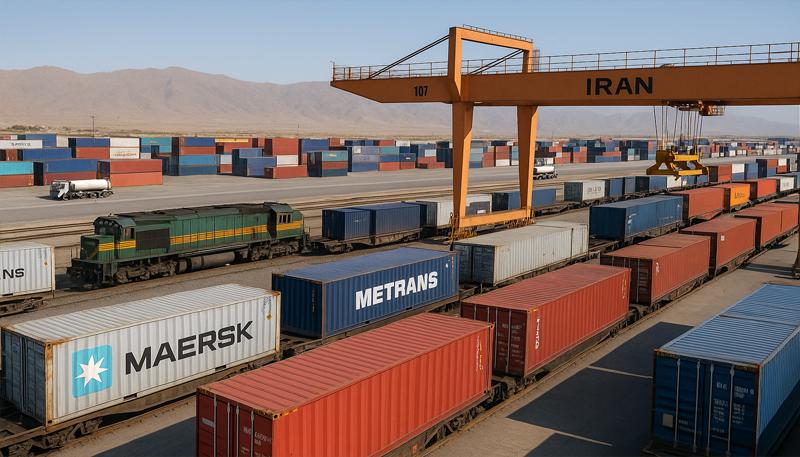
Emami stressed that over-reliance on maritime shipping—which still accounts for the bulk of international cargo movement—poses systemic risks. Disruptions to key sea lanes, whether from conflict or natural disasters, must be counterbalanced by viable land-based alternatives. He called for targeted incentives to reduce road transport costs and make overland corridors more commercially attractive.
Iran is currently evaluating multiple route options, with authorities seeking to create the regulatory and financial conditions for alternative corridors to operate effectively. While the country's export performance has shown notable growth, Emami acknowledged a recent decline in transit volumes and outbound cargo flows, pointing to the need for structural reforms to reverse this trend.
Developing transport infrastructure, diversifying transit routes, and reinforcing alternative corridors are now essential pillars of Iran's trade strategy, Emami concluded. These measures, he said, are critical not only for maintaining foreign trade continuity but also for insulating the national supply chain from external shocks in an increasingly volatile global economy.
The official's remarks underline a growing recognition among trade policymakers that redundancy and route diversification are no longer optional but fundamental to economic security—a lesson reinforced by recent conflicts and the lingering aftershocks of the pandemic.