
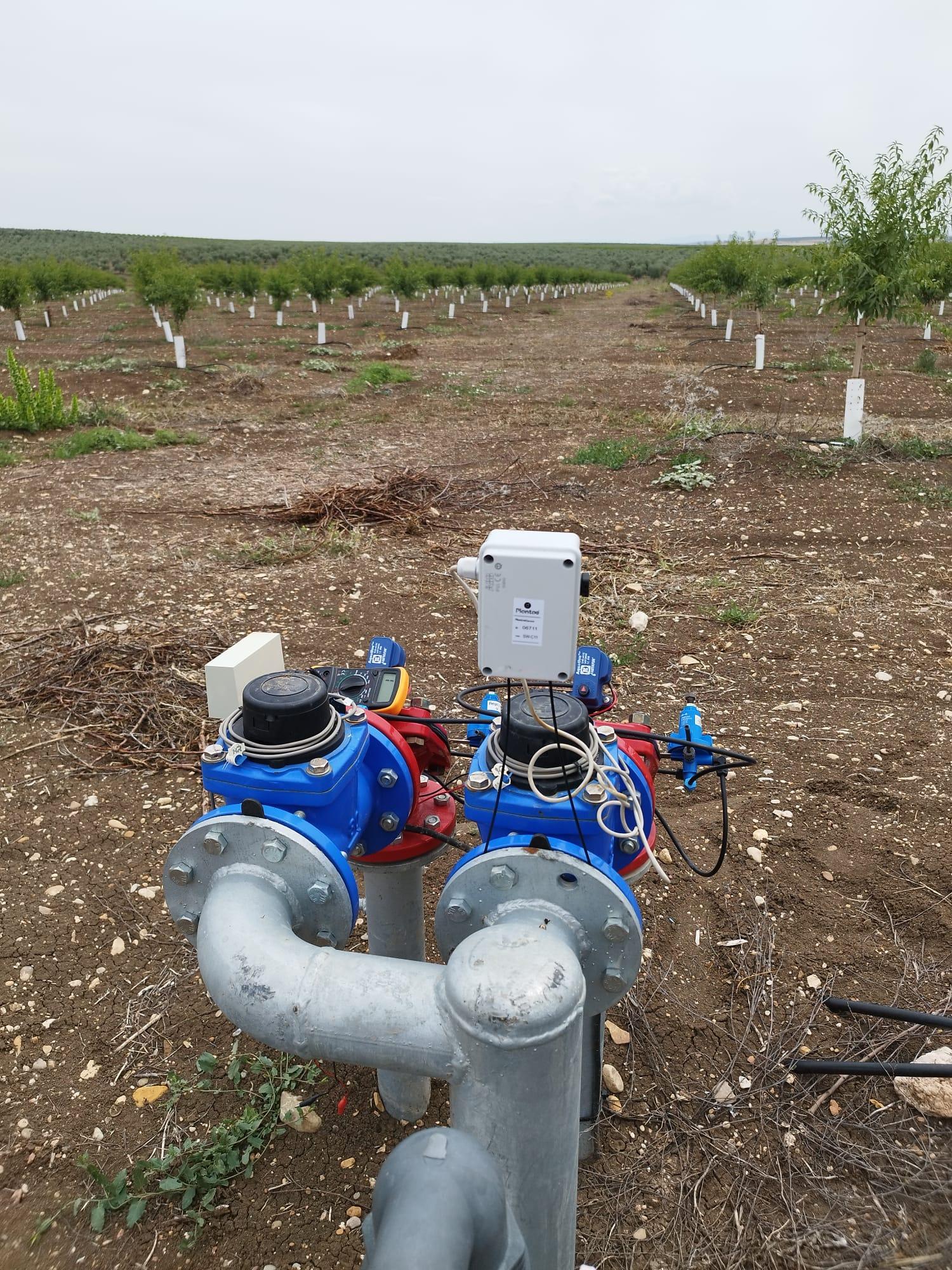
While only a quarter of Iran's agricultural wells are currently equipped with smart meters, new government guidelines aim to accelerate the rollout and bring long-awaited transparency to the country's water sector, according to a senior official.
Amir Hedayati, Director General of the Agricultural Water Affairs Office at the Ministry of Agriculture, announced that new guidelines are being drafted to transfer water management responsibilities to farmers and their organizations. Based on Article 40 of the Seventh National Development Plan, the framework aims to pave the way for volumetric water delivery — a long-standing demand from the agricultural sector.
"Farmers need accurate information about their water allocation for production planning and investment," Hedayati said. Volumetric delivery, he argued, would increase transparency, accountability, and stakeholder participation.
Currently, out of roughly 416,000 authorized agricultural wells nationwide, only 125,000 — less than a quarter — have been fitted with volumetric smart meters. Surface water projects have also lagged behind, despite the Ministry of Energy being legally obliged to implement volumetric delivery through at least 15 laws and development plans over the years.
Hedayati acknowledged that building the necessary political will has been a challenge, but expressed optimism that the new guidelines would mark a turning point. He suggested that conflicts of interest may have slowed progress, as greater transparency would expose entrenched practices, but stressed that reform is now firmly on the agenda.
The official also pointed to the overwhelming focus on structural projects — particularly dam construction — as a key obstacle. "The strong inclination of managers toward structural projects has limited the resources available for managerial and reform measures," he said. However, he emphasized that the shift toward operator-led management signals a new direction.
Without meaningful participation from farmers and their organizations, he warned, new policies are unlikely to succeed. But with the upcoming guidelines and growing awareness of the need for change, Hedayati remains hopeful that Iran's water governance is entering a more transparent and sustainable era.