
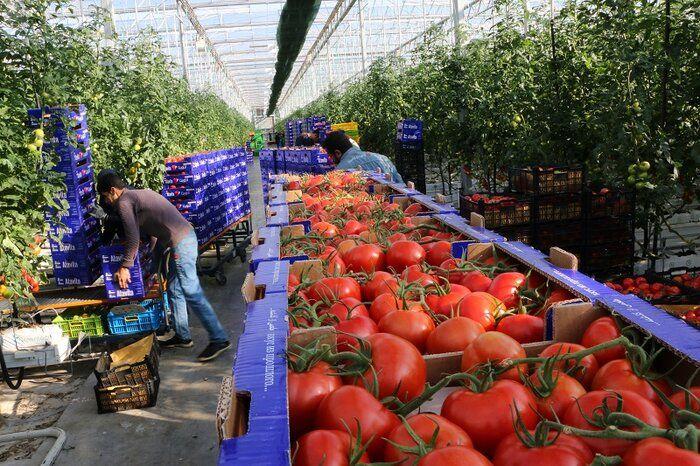
Iran is pressing for deeper agricultural collaboration with the Eurasian Economic Union (EAEU), targeting expanded trade, joint investments, and greater market access for its halal food and greenhouse products.
Speaking at the seventh EAEU Agricultural Policy Council meeting in Almaty, Kazakhstan, Deputy Agriculture Minister Akbar Fathi outlined Tehran's strategy to leverage the union's 180‑million‑plus consumer market. With Iran already holding observer status and a provisional free trade agreement with the EAEU, Fathi identified agricultural machinery, processing industries, and halal-certified exports as priority sectors for growth.
"Developing regional value chains — from farm to fork — can open new export corridors and reduce trade barriers," Fathi said, citing Iran's competitive edge in greenhouse production, dried fruits, and halal food, a segment seeing rising global demand, particularly in Southeast Asia and the Middle East.
On the investment side, Fathi promoted extraterritorial farming — Iranian-backed cultivation in EAEU member states with surplus arable land and favorable rainfall, such as Kazakhstan — as a way to secure grain, oilseed, and corn supplies while reducing import dependency. He called for streamlined financing, legal frameworks, and technical advisory services to support private-sector participation.
Bilateral talks between Iranian and Kazakh agricultural officials on the sidelines reinforced these goals, with both sides agreeing to explore joint production projects and expand fruit and greenhouse exports to Kazakhstan.
Fathi stressed that sustained specialized dialogue and follow‑through on agreements would be critical to converting current capacities into operational ventures, adding that agricultural diplomacy offers a tangible pathway to deepening regional economic integration and shared food security.