
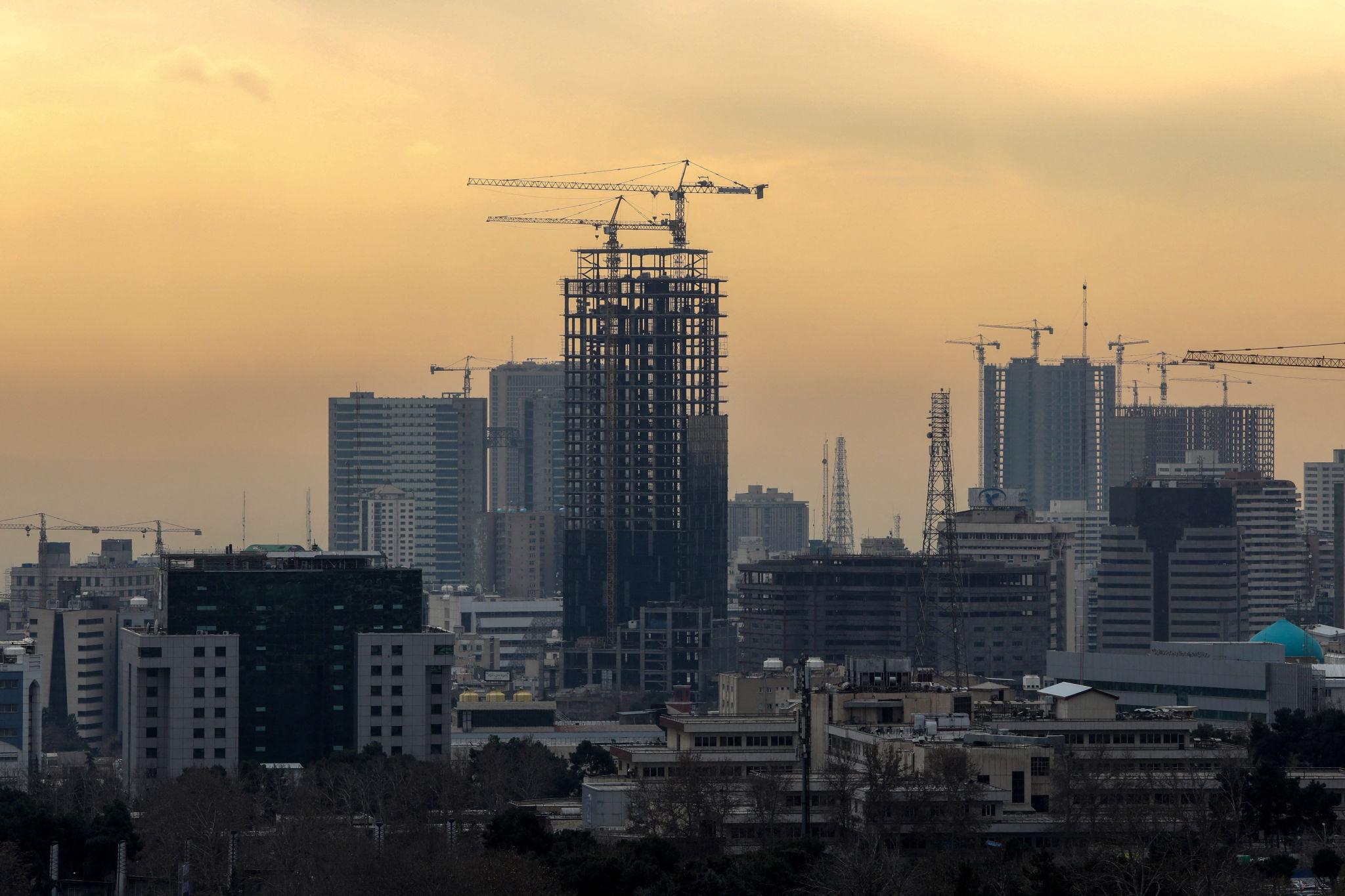
Tehran is playing host this week to the 26th International Exhibition of the Construction Industry, a sprawling showcase that has drawn more than 600 domestic and foreign companies to the city's permanent exhibition grounds. Running through August 21, the event spans 20 halls and open-air spaces, featuring everything from smart building systems and modern architectural designs to traditional materials, elevators, safety gear, and knowledge-based construction products. Organized by the Iran Chamber of Cooperatives, the expo has become a key annual gathering for an industry that remains central to the country's economic life.
But beyond the displays and deal-making, it was the words of Transport and Urban Development Minister Farzaneh Sadegh that set the tone for this year's event. In her opening remarks, Sadegh delivered a clear message: the private sector is not merely a contractor for the state—it must be a co-architect of policy. She argued that the government's role should be to clear the path, not to walk it in place of investors and builders. "Administrative inefficiencies," she noted pointedly, "have nothing to do with sanctions or war."
The minister announced the formation of a new task force under the Supreme Housing Council, charged with dismantling production bottlenecks with direct private-sector input. Discussions have already covered taxes, insurance, permitting, technical codes, and urban planning regulations—issues that have long frustrated developers. Some guidelines have already been revised, she said, and cross-ministerial coordination on other fronts is underway.
On the housing front, Sadegh pivoted away from the traditional focus on homeownership. She made a strong case for expanding professional leasing, arguing that ownership alone cannot meet the diverse needs of Iran's population, especially amid regional disparities in income and affordability. Deteriorated urban fabrics, she said, represent untapped potential for rental housing—if the private sector and municipalities work together.
Industrialization of construction also featured prominently in her address. The minister stressed that speed, quality, and lower long-term costs must go hand in hand. "We've talked a lot about increasing output," she observed, "but not enough about reducing cost per unit."
The exhibition, Sadegh added, is more than a trade fair—it is a gateway to regional cooperation. With Iran's proven strength in technical and engineering services, she argued, neighboring markets are natural partners. Trade Promotion Organization chief Mohammad Ali Dehghan Dehnavi echoed that sentiment, pointing to Iran's competitive edge in steel, raw materials, and affordable labor. Yet he also struck a cautionary note: export ambitions face structural hurdles that demand coordinated action between government, exporters, and trade bodies.
As the expo continues, one theme is unmistakable: Iran's construction sector is positioning itself for a more private-sector-driven, export-oriented, and technologically advanced future—provided the promises made on the podium translate into action on the ground.