
Iran's agricultural sector successfully maintained food supply stability throughout the two recent wartime crises, with no reported shortages or distribution failures across the country, according to the Minister of Agriculture.
Speaking at a press conference marking the second anniversary of the 14th government, Gholamreza Nouri Ghezeljeh provided a comprehensive review of his ministry's performance over the past 30 months—a period he described as one of unprecedented challenges for the administration.
"From day one, this government has faced relentless hostility from foreign adversaries, and that pressure has not eased," Nouri Ghezeljeh told reporters. "We have navigated the return of snapback sanctions, two imposed wars lasting 12 and 40 days respectively, and the most severe drought in recent memory. Together, these have constituted a major test for the administration."
The minister identified food security as a cornerstone of national resilience, stressing that even brief disruptions would be unacceptable in strategic planning. He revealed that enemy assessments had predicted Iran's food supplies would collapse within three weeks of conflict onset, prompting comprehensive naval blockades and port closures.
"Under international humanitarian law and UN protocols, food and medicine are explicitly exempt from wartime restrictions. Yet the enemy disregarded these protections entirely," he said.
Despite these pressures, Nouri Ghezeljeh asserted that domestic inventories remained adequate throughout both conflicts. He contrasted Iran's experience with that of smaller nations during wartime, where retail shelves often empty and strategic reserves deplete rapidly.
"Food was available in every corner of the country—not for a day or an hour, but continuously," he said. "What did increase, unavoidably, were final consumer prices due to elevated logistics and procurement costs under blockade conditions."
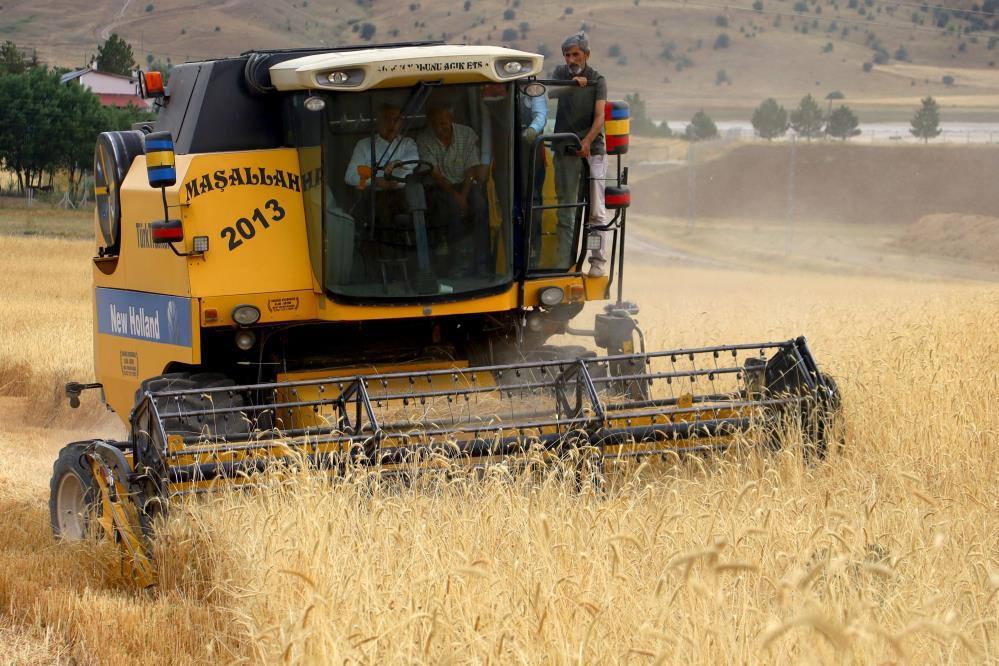
The minister attributed the sector's stability to advance planning and domestic production capacity, noting that local farmers and producers account for 85 percent of the country's total food supply. The remaining 15 percent—primarily industrial raw materials—had been secured through pre-positioned procurement strategies, he added.
"The enemy has been left frustrated," Nouri Ghezeljeh concluded. "Despite multiple overlapping crises, Iran's food security framework has proven resilient."