
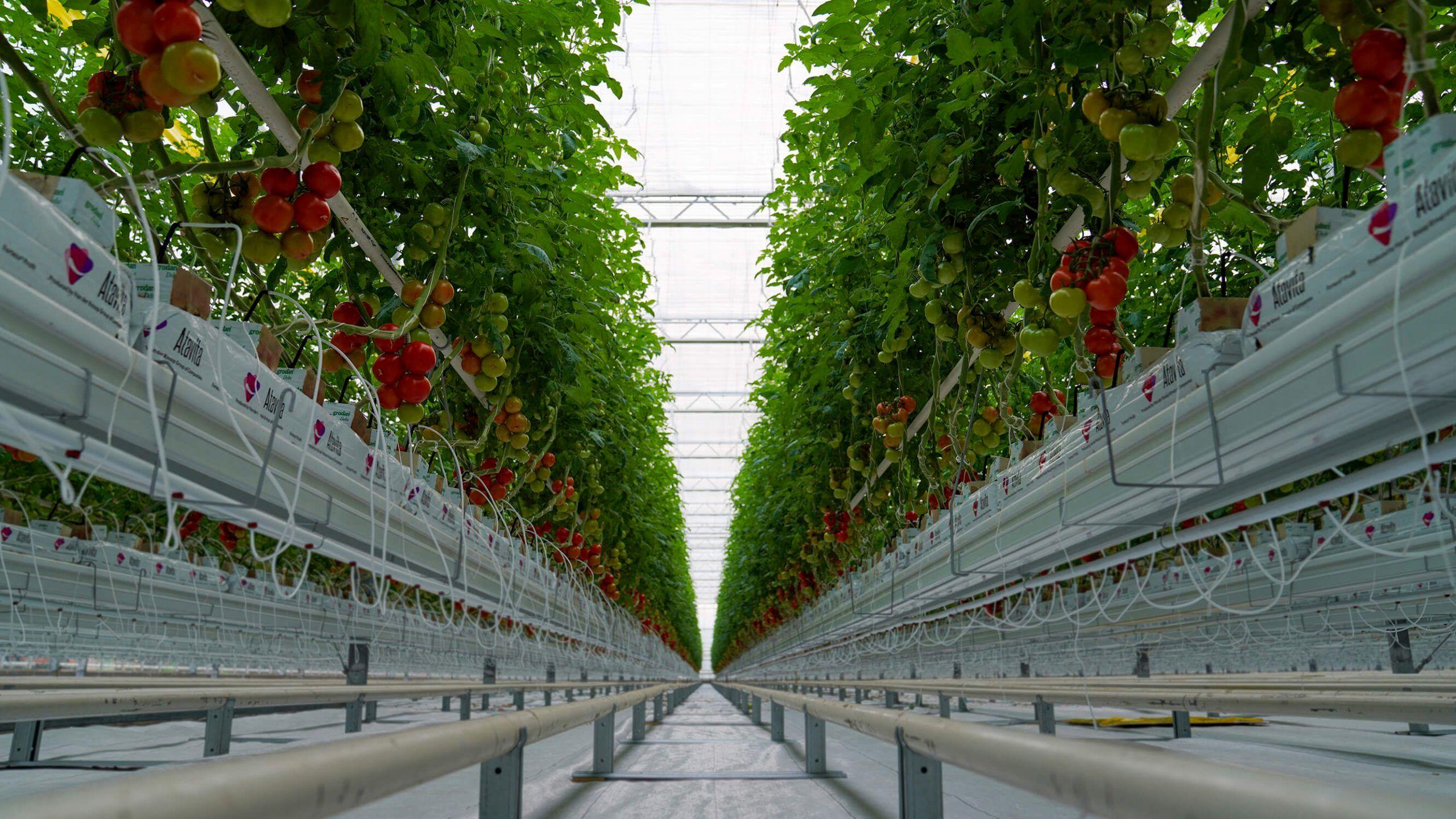
Iran's greenhouse product exports defied sanctions and mounting international pressures to reach over 770,000 tons in the past agricultural year—a 12 percent increase that officials attribute to modern farming technologies, improved water and energy efficiency, and strategic regional planning.
Elham Fatahifar, director general of the greenhouse office at the agriculture ministry, told IRNA that the shipments earned some $390 million in foreign currency. Crucially, she noted that only one-fifth of total greenhouse output is currently exported, leaving substantial room for further expansion.
Yet the bigger picture lies in domestic targets. Under the Seventh Development Plan, Iran aims to boost annual greenhouse production to 10 million tons—more than double the current level of under four million. Bridging that six-million-ton gap, Fatahifar said, demands disciplined planning and private-sector investment, particularly in provinces with strong agricultural potential such as Fars.
However, two major obstacles loom: energy shortages and water scarcity. The director general stressed that future growth must be channeled only into regions with secure infrastructure and water supplies, ensuring expansion does not compound existing resource pressures.
Technology is proving decisive. Knowledge-based firms have played a key role in upgrading production methods, helping cut water use, raise yields, and improve product quality for export markets.
In terms of export composition, bell peppers, tomatoes, cucumbers and greenhouse-grown eggplants lead the pack, while strawberries and other commercial vegetables are steadily gaining traction abroad—a sign of growing diversification.
Fatahifar expressed confidence that scientific collaboration between universities, research centers and greenhouse operators could unlock a new phase of growth. With targeted support and smarter resource management, she argued, Iran can strengthen both its food security and its competitive position in regional and global greenhouse markets.
The path forward, she concluded, lies not in sheer expansion but in smarter, more resilient production—driven by innovation, partnership, and a realistic grasp of the country's environmental limits.