
A long-overdue comprehensive housing plan is finally being drafted at the Ministry of Transport and Urban Development, but according to a senior advisor, success depends on abandoning decades of flawed assumptions.
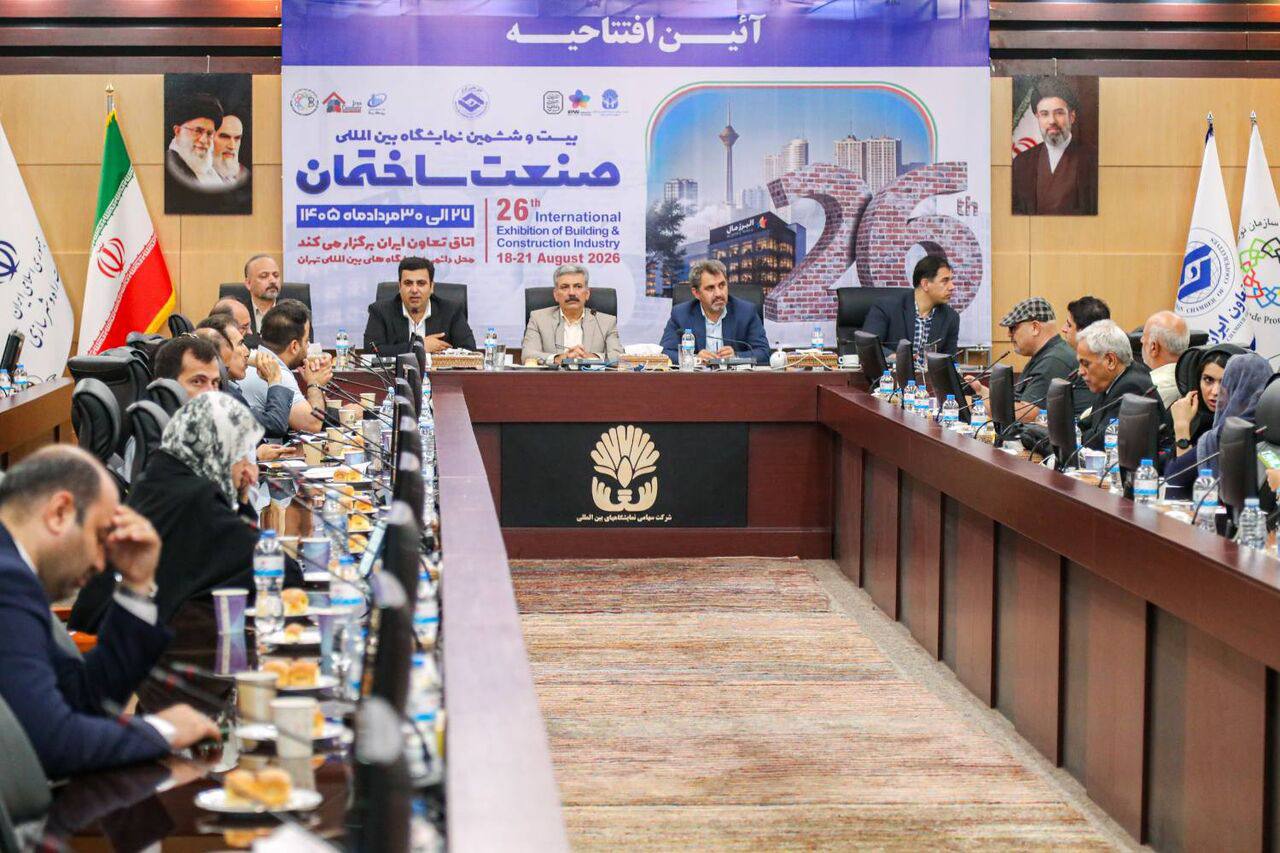
Behrouz Maleki, financial and economic advisor to the minister, told a construction industry conference that housing is not just another commodity—it is location-bound, capital-intensive, and carries the weight of policy mistakes for generations. He warned that simply handing out land does not solve the crisis, as land requires proper infrastructure, access, and services to become habitable. Sometimes preparation costs rival construction itself.
Maleki took aim at sacred cows. The belief that government must house everyone, he said, is misguided. So is the resistance to smaller homes—an argument he dismissed as coming from those who have never known homelessness. With household sizes shrinking, building only large units prices millions out of the market. Over 150-square-metre apartments, he noted, dominate construction while most families cannot afford them.
He also questioned the one-million-unit annual target, asking: for whom, where, and with what purchasing power? Japan and China's vacancy crises, he warned, show where blind mass building leads. In Iran's new towns, 30–40% of units already stand empty.
On informal settlements, Maleki said recognition is the first step toward solutions. Tax and price controls, he added, need honest reassessment.
The advisor concluded that housing policy suffers from two kinds of complexity: unavoidable structural issues, and those created by faulty thinking. Policymakers, he insisted, are now on a path that demands urgent correction—before another generation pays the price.