
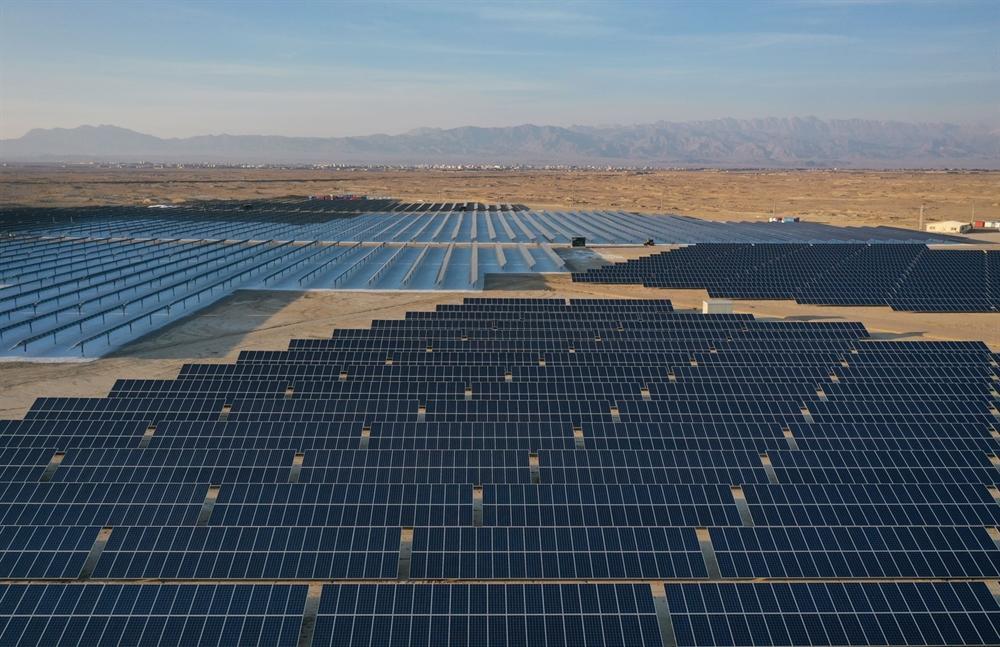
Iran's Energy Ministry is steering renewable development toward small-scale and residential installations, signaling a strategic departure from capital-intensive mega-projects in favor of decentralized, publicly financed generation.
Speaking at the commissioning of a 95-MW solar complex—the country's largest to date—Minister Abbas Aliabadi confirmed that while utility-scale developments continue, the government's medium-term emphasis will increasingly rest on aggregating micro-investments from private citizens. The newly operational facility, split into 63-MW and 32-MW units adjacent to Tehran's Shamsabad Industrial Zone, was completed in under nine months across 147 hectares and is designed to offset peak-load demand for the industrial town.
Aliabadi acknowledged the role of SATBA, the state energy efficiency organization, in channeling small-ticket contributions toward renewable assets—a model piloted successfully at the Parand plant. By lowering reliance on direct state funding and large institutional capital, the approach aims to broaden retail investor participation while alleviating budget pressures amid persistent currency volatility.
"We must diversify production sources to remain competitive in the Fourth Industrial Revolution," Aliabadi stated, noting that technological obsolescence demands agility. He thanked the Central Bank and provincial governors for facilitating the regulatory and financial infrastructure supporting these initiatives.
The 95-MW installation, inaugurated on the second day of Government Week with President Masoud Pezeshkian in attendance, brings Iran's cumulative solar capacity to approximately 5,500 MW. Industry observers note that while the figure marks a record for the domestic market, it remains modest relative to regional peers, and the success of the crowd-funding framework will hinge on tariff guarantees, grid access, and investor confidence in long-term off-take agreements.
With peak summer demand continuing to strain the national grid, the minister's pivot toward distributed generation reflects both an environmental rationale and a pragmatic fiscal hedge—though analysts caution that household-scale adoption will require sustained subsidies for PV equipment and clearer net-metering regulations to achieve meaningful load-shifting at scale.