
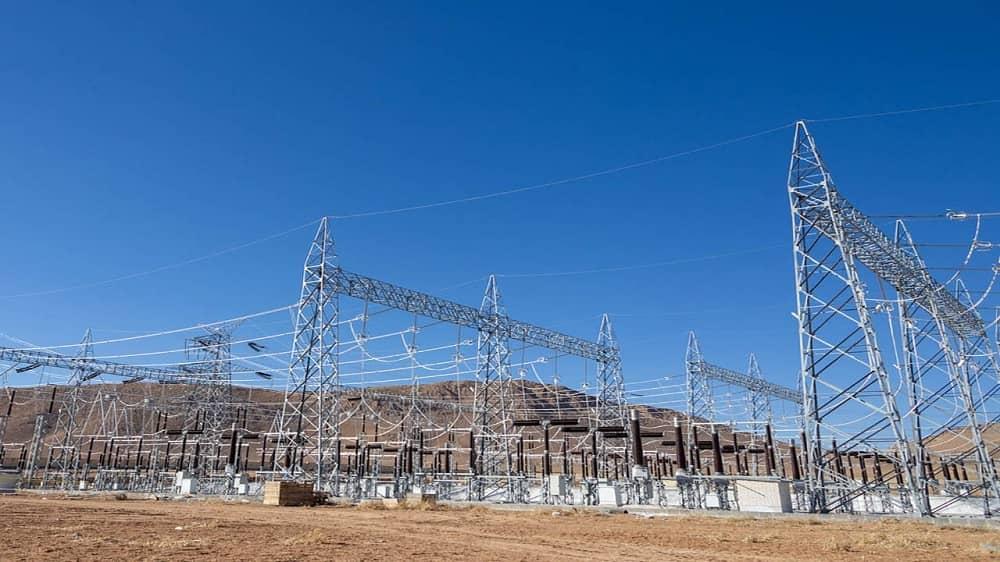
Iran's Energy Minister Abbas Aliabadi has announced that the country's total electricity generation capacity is expected to exceed 110,000 megawatts by the end of the current Iranian year (March 2027), underscoring a major expansion drive that includes both thermal and renewable sources.
Speaking during a two-day visit to North Khorasan province, Aliabadi revealed that 4,200 MW of generating capacity had been damaged in recent hostilities, with state-owned plants swiftly repaired and returned to service. Private-sector facilities are undergoing reconstruction, with the first unit already back online and all remaining units scheduled for restoration by next summer.
The minister emphasized that renewable energy development remains a central pillar of the ministry's strategy. "Alongside expanding thermal plants, we are implementing a comprehensive program for renewables that will play a key role in ensuring stable supply," he stated.
Aliabadi's provincial tour, which began Wednesday at Bojnord Airport, focused on engaging with local communities and advancing infrastructure projects. In his first official engagement, he simultaneously inaugurated 27 solar power plants installed across school premises—a model that aligns with the government's growing emphasis on small-scale distributed generation. He also presided over the handover of 7,800 residential units in Bojnord's Golestan Township.
The minister visited the Serani water transfer scheme, a strategic project critical to the northeast's future water security. His itinerary continues Thursday in Esfarayen county, where he is scheduled to inaugurate a 100-MW solar facility and a health-worker training center.
Local officials noted that sustainable water supply, renewable energy expansion, and completion of infrastructure works rank among the province's foremost priorities. With Iran's renewables capacity having surged past 5,800 MW in recent months, the ministry's dual focus on large-scale thermal generation and grassroots solar initiatives signals a pragmatic approach to meeting rising demand while enhancing energy resilience across the national grid.