
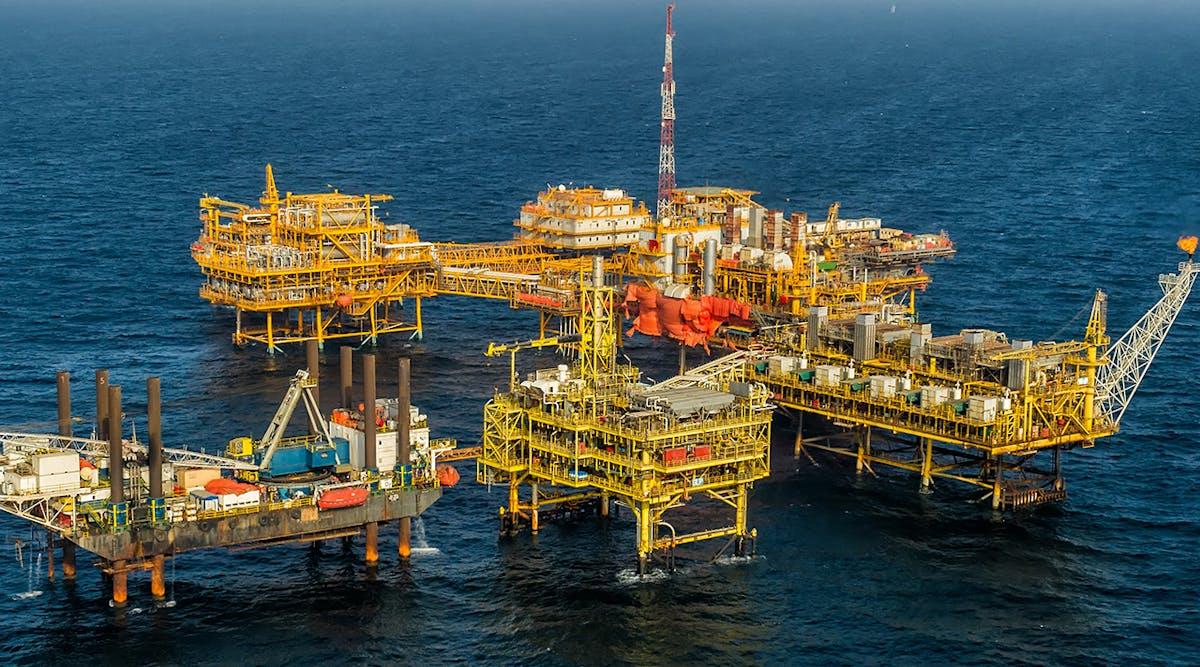
Iranian contractors have completed the first two wells at the shared offshore Balal gas field, marking a critical milestone in a development scheme designed to add 14 million cubic meters per day to the national grid within the next two years.
According to project management data released on Saturday, overall physical progress now stands at 42%. While the offshore jacket and two work packages have been finalized, the deck installation and the remaining drilling campaign—comprising six out of eight planned wells—are currently tracking at approximately 50% completion.
The field, which holds an estimated 3 trillion cubic feet of gas in place alongside over 100 million barrels of condensate, sits within a strategically sensitive corridor of the Persian Gulf. Its ramp-up is central to Tehran's broader strategy to offset natural production declines in mature onshore reservoirs and curb reliance on imported fuels during peak winter months.
Project officials confirmed that batch drilling operations are actively proceeding for the remaining wells, with full commissioning anticipated within a two-year horizon. Despite persistent headwinds—including international sanctions, pandemic-era logistical disruptions, and recent regional conflicts—execution has reportedly remained uninterrupted across the five primary workstreams, which encompass drilling, jacket and deck fabrication, completions, and subsea pipeline links.
For energy analysts, the Balal timeline carries significant weight. With regional rival Qatar aggressively expanding its own production capacity from adjacent structures, any slippage in Iran's schedule could translate into billions of dollars in foregone export revenue and condensate output. The administration has accordingly prioritized these shared assets, leveraging domestic engineering capabilities to maintain momentum while international investment remains constrained by the financial embargoes.