
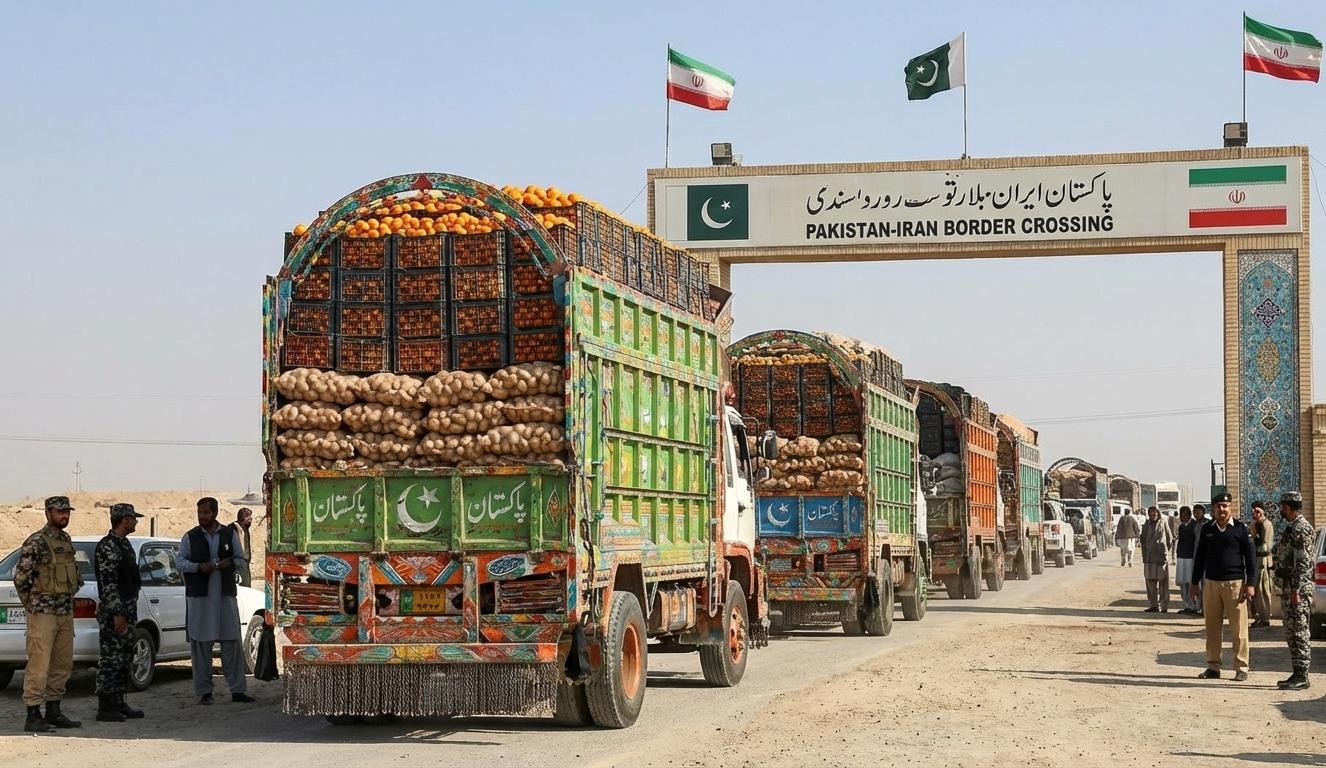
As Iran seeks to diversify its trade routes amid persistent external pressures, Pakistani ports are emerging as a potential corridor for goods flowing to and from East Asia. That was the central message from Mohammad‑Ali Dehghan Dehnavi, head of Iran's Trade Promotion Organization, following a high‑level bilateral meeting with a Pakistani delegation in Tehran.
The talks, held at the Tehran Permanent International Fairgrounds, brought together senior officials from both sides, including Karachi Port Trust Chairman Shahid Ahmed. The gathering was part of follow‑up discussions on the 10th Joint Trade Committee, which earlier convened in Islamabad with Iran's Industry Minister in attendance.
Dehghan Dehnavi made it clear that the relationship must transcend day‑to‑day technicalities. He reiterated the ambitious $10‑billion annual trade target set by the two countries' leaders, stressing that current cooperation should be viewed through a long‑term lens. A major bottleneck has been the lack of direct shipping and land links—historically, Pakistani goods have reached Iran via third countries, adding cost and delay. The Iranian official called for establishing and strengthening direct routes, arguing that improved transport infrastructure and port cooperation are essential to unlocking bilateral trade potential.
Perhaps the most striking proposal involved redirecting a slice of Iran's substantial East Asian trade—particularly with China—through Pakistani territory. Dehghan Dehnavi noted that Pakistan's deep‑sea ports and overland corridors could serve as an efficient transit channel, reducing dependence on crowded Gulf routes and offering Tehran more logistical flexibility.
The Pakistani side responded positively, with Ahmed affirming readiness to facilitate maritime and overland exchanges. Meanwhile, Iranian private‑sector representatives, who also participated in the meeting, presented practical proposals to streamline customs procedures and resolve lingering operational issues, such as container backlogs at Karachi Port.
While short‑term hurdles remain, both sides appear committed to turning the 10th committee's approvals into concrete action. For Iran, the bet is that Pakistan's ports can become a strategic gateway—not just a trade alternative, but a pillar of a more resilient and diversified foreign trade architecture.