
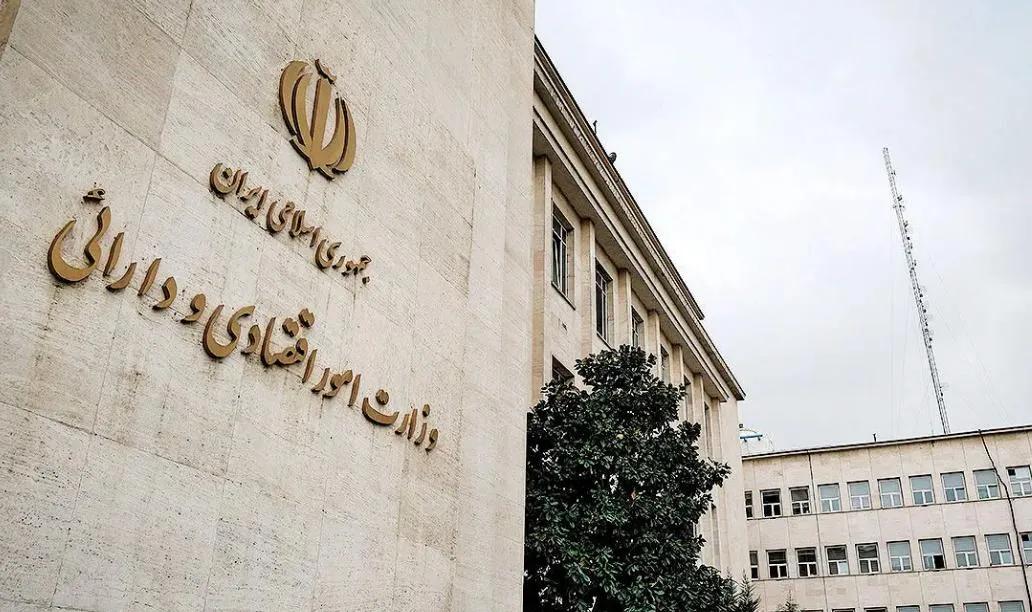
Iran's Minister of Economic Affairs and Finance, Seyyed Ali Madanizadeh, has introduced a detailed action plan to overhaul the country's economic governance, positioning resilience and productivity as the core objectives against the backdrop of ongoing external pressure.
Speaking to IRNA, Madanizadeh framed the initiative as a strategic necessity, pointing to a perceived shift in adversarial tactics from conventional confrontation to economic and social warfare. To counter this, he called for a coordinated push across all major financial institutions under his ministry's purview.
The minister singled out six key pillars for immediate reform: the capital market, banking networks, insurance companies, customs administration, free trade zones, and the tax authority. Each sector is expected to develop targeted planning aimed at stabilizing the macroeconomic environment.
Core priorities outlined in the roadmap include:
· Channeling stagnant liquidity into productive, real-economy ventures;
· Streamlining bureaucratic processes to bolster the resilience of the national economy;
· Repairing the business climate, which the minister acknowledged has been damaged by sustained external hostilities;
· Addressing cost-of-living pressures and working toward measurable improvements in public welfare.
Madanizadeh emphasized that achieving these goals would require sustained, round-the-clock effort from all ministry departments. He noted that while the task is historically significant, success depends largely on internal cohesion and leveraging the expertise of both elites and the broader public.