
Iran has made significant progress in developing its shared hydrocarbon fields over the past two years, with state-owned Petropars leading major projects that have boosted both gas and oil production capacity.
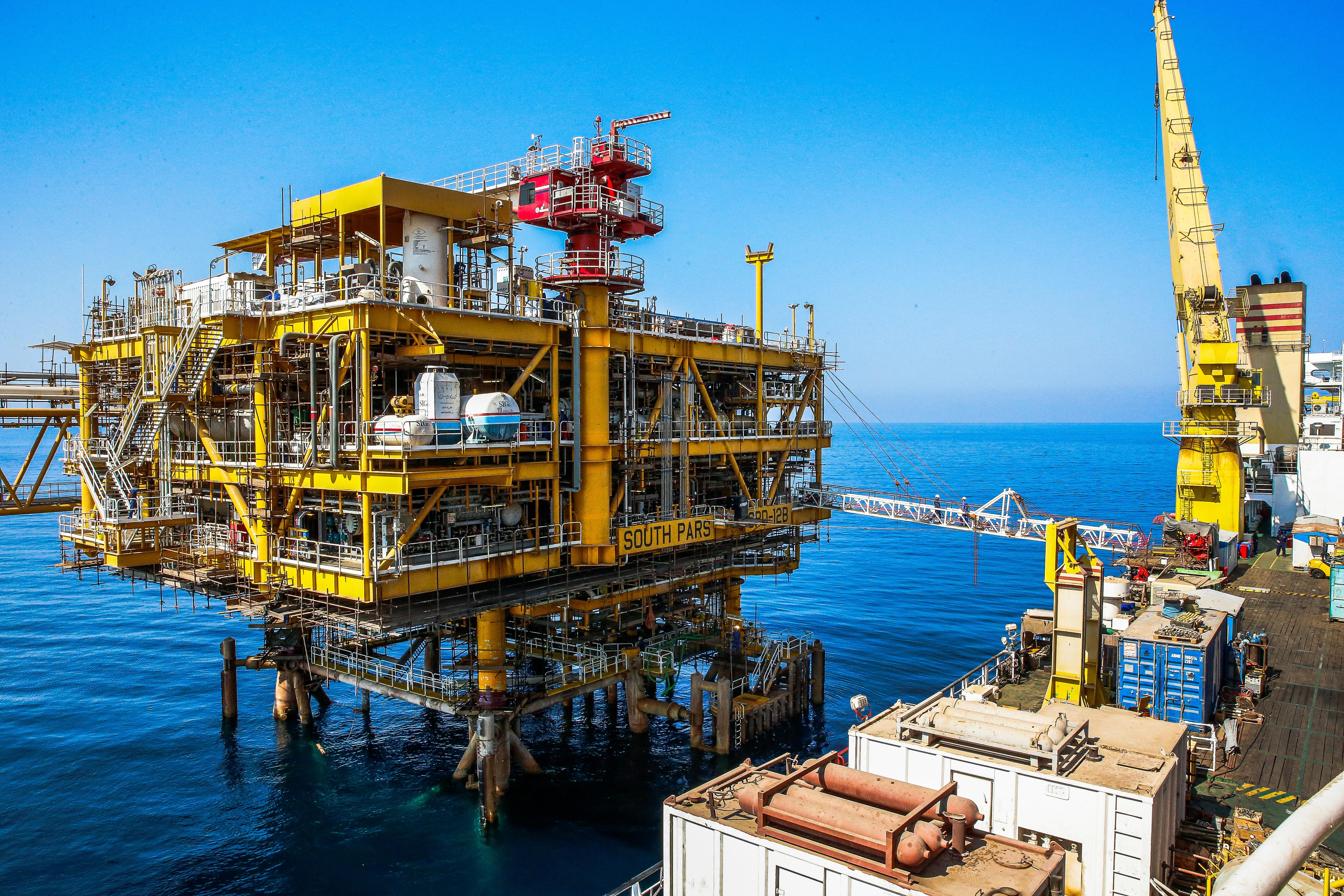
The state company has more than doubled output from South Pars Phase 11, a field shared with Qatar, raising production from 12 million to over 26 million cubic meters per day. Eleven wells are now operational at the site, up from just four at the start of the period. Meanwhile, construction is advancing on a new platform at the field's 11A location.
In the oil sector, Petropars has brought the country's largest crude processing facility online at South Azadegan, a joint field with Iraq. The plant, capable of handling 320,000 barrels per day, has already processed more than 28 million barrels and forms the backbone of development in the wider West Karun region. Drilling and acidizing operations across 22 wells have added over 63,000 barrels to daily oil production.
The company has also launched the execution phase of South Pars pressure boosting, a strategic project designed to counter natural reservoir decline. Engineering work is complete, compressor installation is underway, and contracts have been issued for offshore platform construction.
Elsewhere, at the Balal and Farzad B fields, jacket installations and deck construction have reached key milestones, with both projects on track for offshore commissioning.
Petropars has doubled its offshore rig fleet from two to four and introduced advanced pipeline inspection technologies during the two-year period. The company has also streamlined its supply chain by reorganizing thousands of inventory items.
Iran ranks among the world's top four oil producers and holds the second-largest gas reserves. Much of this wealth lies in joint fields along its maritime borders with Qatar, Iraq, Kuwait, Saudi Arabia, Oman, and the UAE. Tehran has made joint field development a national priority, aiming to maximize recovery before neighboring competitors extract shared reserves.
The achievements underscore the administration's strategic focus on border fields and production sustainability, even as international sanctions continue to limit foreign investment and technology transfer in Iran's energy sector.