
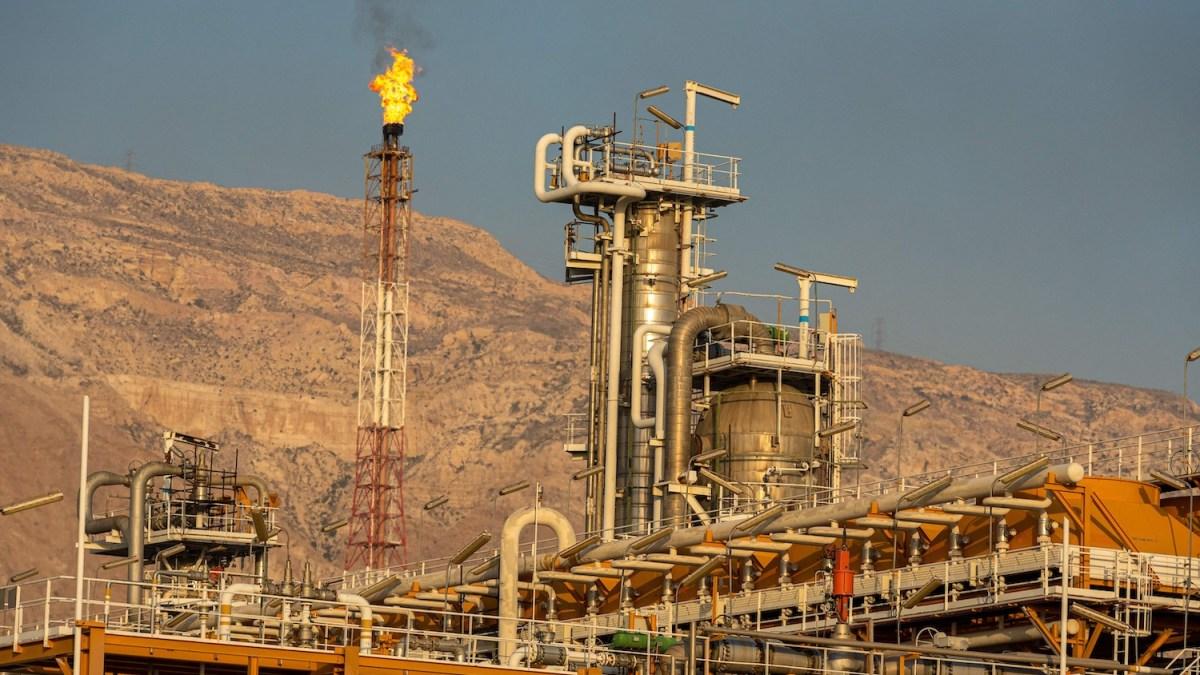
Iran's Oil Minister Mohsen Paknejad has reported that since the 14th government took office, approximately 11.5 million cubic meters per day of flare gas has been collected—bringing total associated gas recovery to 17 million mcm/d when combined with pre-existing efforts. Reviewing two years of performance, Paknejad detailed achievements including increased oil production, expanded processing capacity in shared fields, new gas discoveries, and a halt to diesel imports.
The Minister described early challenges, noting that initial fuel reserve reports were concerning. President Pezeshkian personally followed up on gas and diesel supplies every few days, coordinating between ministries to prevent shortages. A landmark South Pars pressure boost contract—the oil industry's first major deal under the new administration—was signed in March 2025 to counter the field's natural pressure decline and address cumulative energy imbalances built over 20 years.
During the 40-day war, Iran's oil infrastructure sustained heavy attacks: four gas refineries in Assaluyeh, Tehran's oil depots, and petrochemical utility units in Mahshahr were struck. Despite over 550 hits on Kharg Island, crude oil exports never stopped for even one hour. Under two successive naval blockades, the industry rerouted logistics and continued delivering oil thousands of kilometers away.
The "Two Degrees Less" consumption campaign, proposed by the President, helped manage winter gas demand. The administration also drilled over 30 infill wells in South Pars and realized 70,000–80,000 bpd of a targeted 250,000 bpd production increase. Paknejad emphasized that consumption optimization—not merely reduction—is key to closing the production-consumption gap, and praised the President's personal example in energy savings. He called on the public to cooperate in minimizing costly gasoline imports, stressing that Iran's people have always risen to such challenges.