
As Washington steps up its "maximum pressure" campaign, Tehran is quietly rethinking its trade strategy. Hadi Tizhoush Taban, head of the Iran-Russia Joint Chamber of Commerce, argues that a complete economic stranglehold is no longer feasible in a world where major powers pursue their own independent interests.
"The US can raise our transaction costs—that's the whole point," he said in an interview. Higher insurance premiums, shipping detours, and banking hurdles are all part of the design. But an absolute blockade? That, he insists, is another matter. With China, India, Russia, and Gulf states looking after their own commercial agendas, the global economy is too fragmented for total isolation.
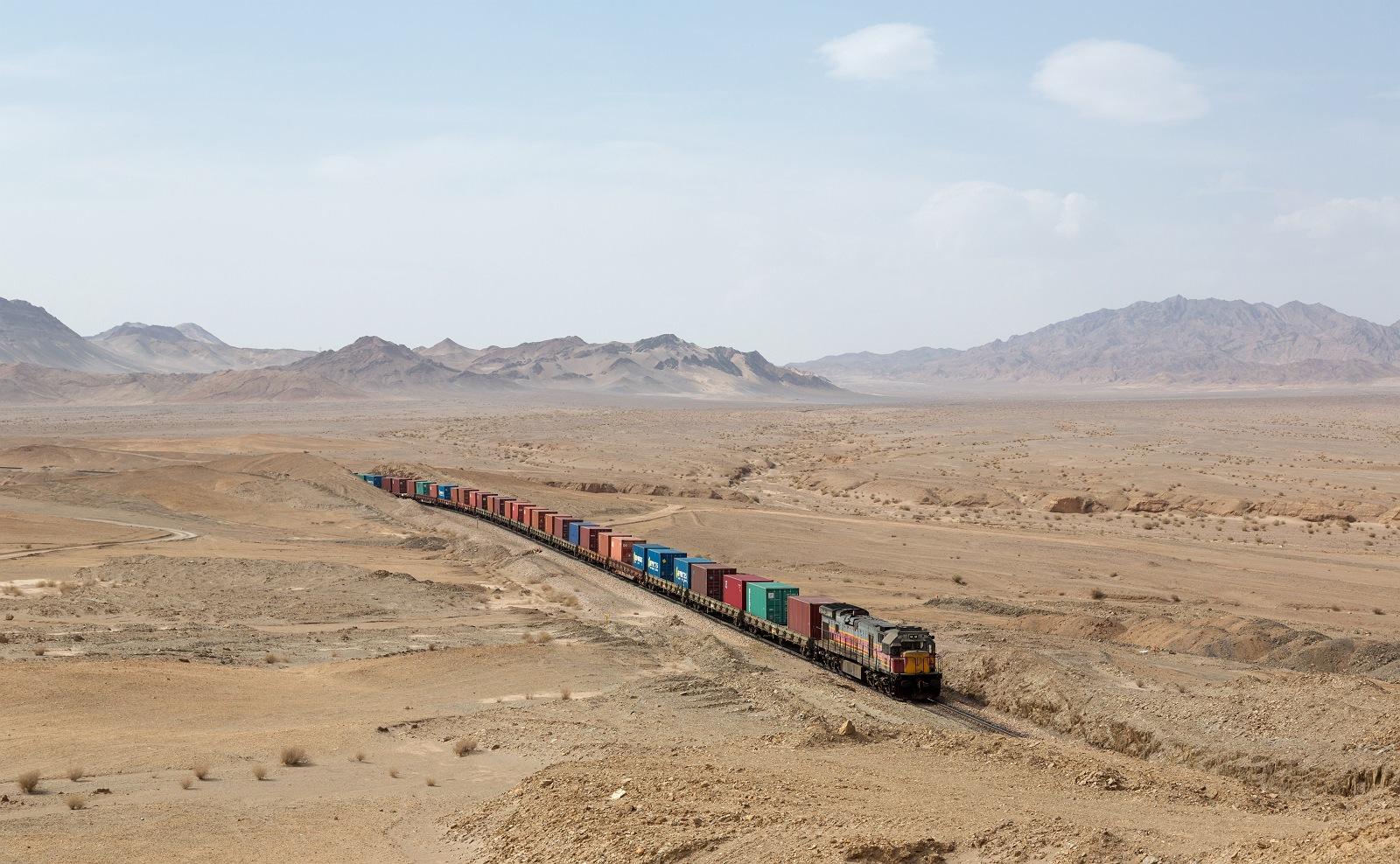
Tizhoush Taban's prescription is straightforward: diversify or perish. Iran cannot rely on oil alone, nor on a single trade corridor. Northern routes through the Caucasus and Central Asia offer alternatives to southern ports, but no single path is a silver bullet. Competitive corridors—in cost and time—are the real priority.
Banking remains the Achilles' heel. Even if goods move, money often does not. The chamber chief warns that ditching the dollar is not a magic fix—it is the financial networks that matter. Regional payment systems and reciprocal accounts could help, but only if currency conversion costs, which can eat up to 25% of a deal, are reined in. "A fair exchange rate," he says, "is not a favor—it is a necessity."
The bottom line: sanctions are here to stay, but so is Iran's determination to find a way through.