Facing a year marked by war, regional instability, and tightening trade conditions, Iran’s top trade official is not calling for retreat. Instead, Mohammad Ali Dehghan Dehnavi, head of the Trade Promotion Organization (TPO), is pushing a three-part playbook: monitor, facilitate, act.
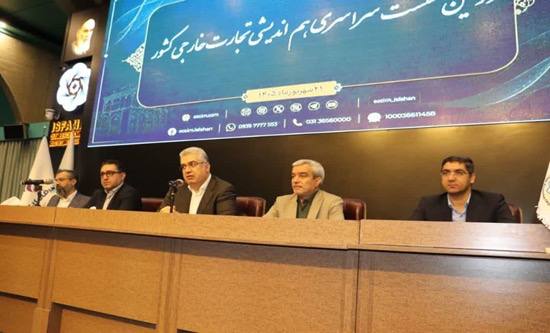
Speaking in Isfahan at the second National Foreign Trade Think Tank meeting, Dehnavi acknowledged the weight of current pressures but rejected despair. “Difficult conditions should not mean halted activity,” he said, framing the strategy as a way to keep goods moving and markets open.
The first pillar, monitoring, goes beyond glancing at customs figures. Dehnavi wants real-time awareness of border bottlenecks, export trends analyzed down to individual products and companies, and a clear understanding of why a province or commodity is losing ground. “Comparing statistics is the minimum, not the goal,” he noted.
Facilitation, the second pillar, targets the private sector’s daily headaches: currency obligations, delayed goods clearance, and soaring logistics costs. Dehnavi warned that if transport expenses render an export economically pointless, exporters will simply walk away—taking revenue and market share with them.
The third pillar, proactive engagement, urges a shift from reacting to anticipating. Rather than responding after a problem erupts, the TPO aims to identify opportunities and threats in advance. Provincial chambers of commerce are to play a larger role, and trade missions must yield concrete agreements and measurable export growth—not just handshakes.
The message from Isfahan is clear: Iran’s export machine cannot afford to wait for calmer seas. By monitoring closely, facilitating practically, and acting ahead of events, the TPO hopes to keep trade flowing even in turbulent times. The test will be whether these three pillars translate into real contracts and rising exports.