
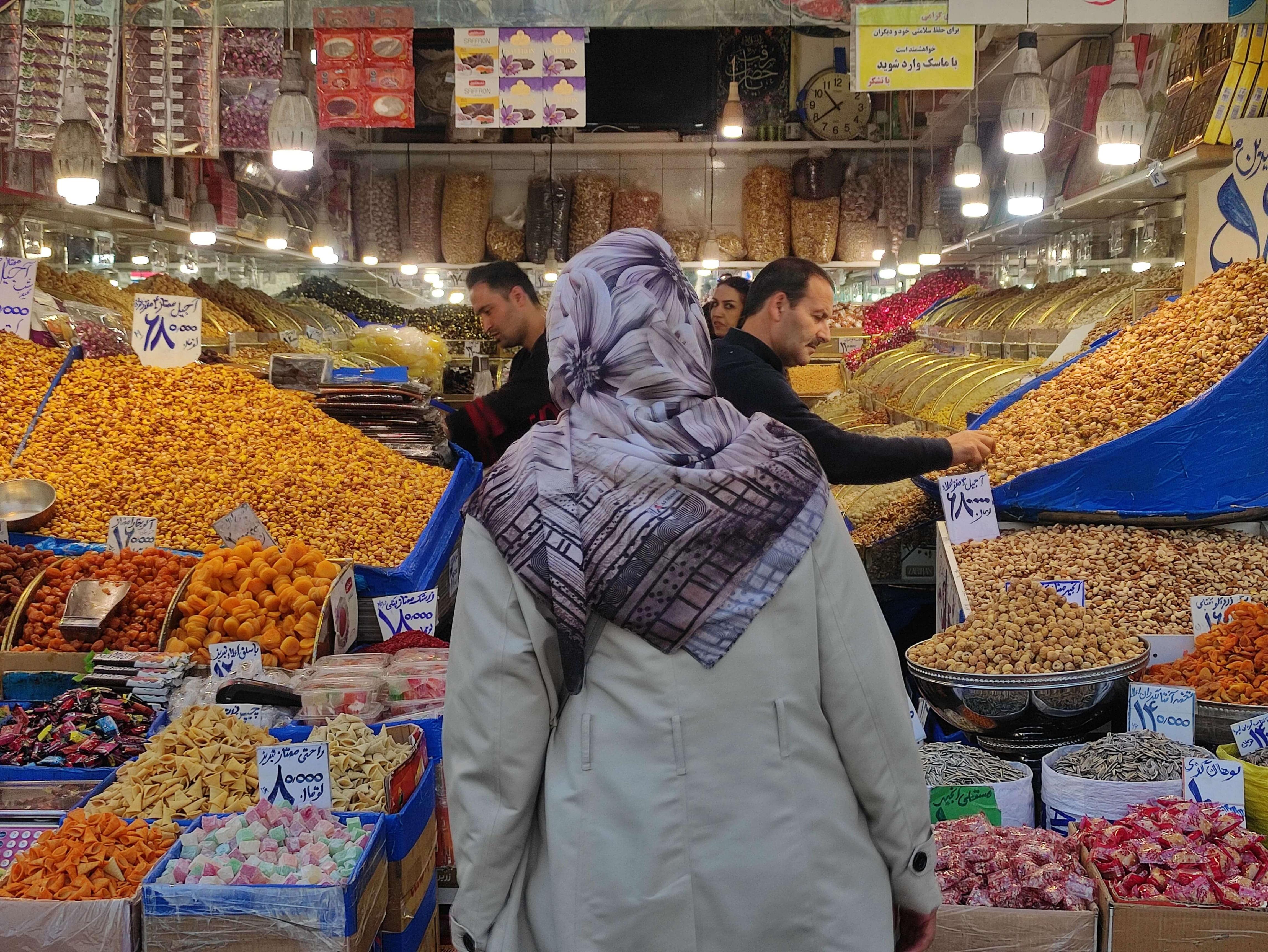
For years, Iranian policymakers have searched for a single switch to turn off inflation. Economists say there isn’t one. In interviews with IRNA, analysts argue that price suppression, demand cuts or interest-rate hikes alone cannot tame a problem now driven by war, sanctions, blocked trade and broken supply chains as much as by money creation.
The recent two-month slowdown in inflation, reflected in Central Bank data, has raised cautious hopes. But it came from tighter liquidity management and strict bank discipline—useful, yet not sufficient. Kamran Naderi, a university professor, notes that when a naval blockade stops imports and oil sales, monetary policy cannot conjure missing goods. Majid Shakeri adds that any anti-inflation plan must also address the blockade’s economic impact.
That is why economists call for a coordinated package: control bank balance sheets, manage interbank rates, direct credit to productive sectors, stabilize foreign-exchange and trade policy, and protect low-income households without fueling new price pressures. Hassan Hassan-Khani points to idle factories and supply shortages, while Morteza Ezati warns that scarcity can trigger another inflationary jump.
The Central Bank’s balance-sheet controls have helped reduce liquidity growth. But experts insist credit restriction must not be blind. Limited resources should target sectors that ease bottlenecks and expand supply. The budget office must prevent deficits from spilling into banks. Exchange-rate stability, repatriation of export earnings and curbing capital flight are equally vital.
The message is clear: Iran’s inflation is not one disease but many. A single prescription will fail. What is needed is a multi-layered strategy involving money, budgets, banks, exchange rates, production, trade and livelihoods—implemented together, not in isolation. The road ahead demands coordination, not isolated fixes. That is the lesson.