
China is looking beyond its major cities to find the next source of growth for its tourism industry, with rural destinations increasingly being positioned as products for international visitors rather than mainly domestic travelers.
A new initiative launched in Beijing aims to address a persistent gap in the tourism sector. China’s countryside is popular with domestic tourists but remains relatively unfamiliar to visitors from abroad.
The “Program for International Empowerment of Rural Tourism,” launched September 12 at Shougang Park in Beijing, brings together tourism authorities, international guests and tourism businesses around a strategy to promote rural destinations through international media, multilingual content, overseas marketing and commercial partnerships.
The initiative reflects a broader effort to connect tourism with rural development, cultural industries and new forms of consumption. Rather than treating villages simply as sightseeing locations, the program aims to turn them into destinations where visitors stay longer, spend more and engage with local culture.
From Local to Global
One of the main challenges identified by the organizers is the gap between domestic popularity and international visibility.
Many Chinese villages have developed successful tourism products, accommodation and cultural experiences, but lack foreign-language promotion and the infrastructure needed to receive international visitors. The program argues that internationalization requires more than translating promotional material. Content has to be adapted to the cultural expectations and consumption habits of different overseas markets.
China Media Group's CRI Online is positioning itself as a key platform in this process. The organization operates multilingual international communication channels and says it has built a network of overseas media, influencers, diplomats, business representatives and other groups that can help present rural China to foreign audiences.
The strategy also reflects a shift in tourism marketing. Instead of relying on broad national campaigns, the program promotes targeted stories designed for particular audiences and platforms.
CRI Online cited several examples in which narrowly focused stories about Chinese villages generated more than 1 million views on overseas social media. One video featuring a rural community in Zhejiang reportedly attracted more than 12 million views after being produced with a foreign blogger.
Selling the Experience
The economic logic becomes clearer in plans for individual destinations.
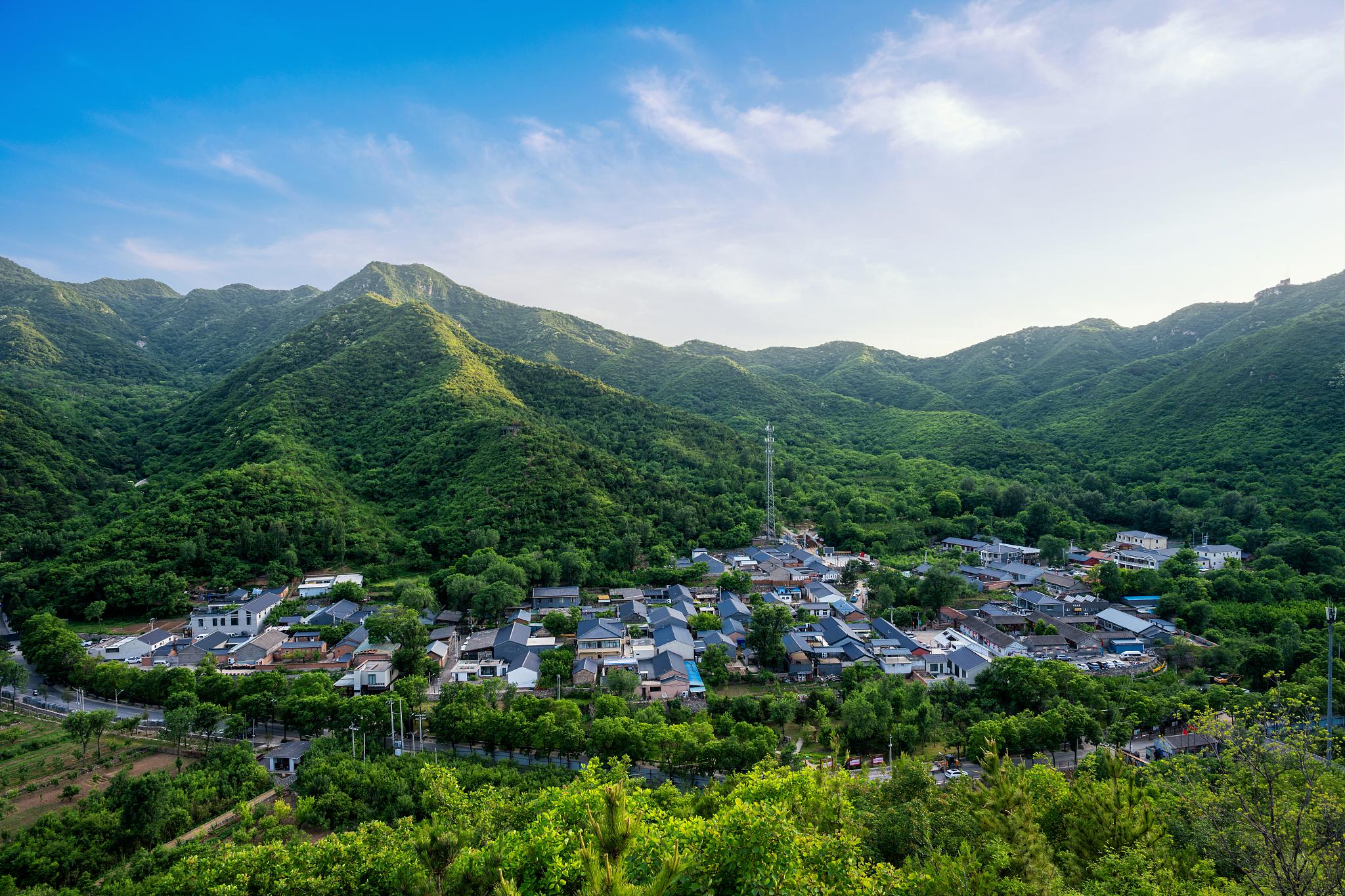
Shifosi Village in Beijing's Yanqing District, located near the Badaling section of the Great Wall, is being developed as an international rural tourism destination. The village received about 150,000 visitors in 2025, but the average stay was only around one hour and the secondary-spending conversion rate was below 15%, according to the project's presentation.
The proposed response is to expand the tourism product beyond sightseeing. The village plans to create a chain of experiences including an art corridor, café and cultural space, family-oriented animal activities, Great Wall interpretation and tea and incense experiences. The objective is to increase the average visitor stay to more than three hours and raise secondary-spending conversion to above 40%.
This model turns rural tourism into a broader consumption ecosystem. Accommodation, food, cultural products, entertainment and educational activities can all become part of the same visitor journey.
The village is also planning a three-stage investment program totaling about 5.28 million yuan through 2030. The plans include new tourism formats, a stargazing camp, an international art season, smart tourism services and eventually a Great Wall Culture International Exchange Center. The longer-term goal is to attract more international visitors and replicate the model in other villages across the Beijing-Tianjin-Hebei region.
Industrial Heritage
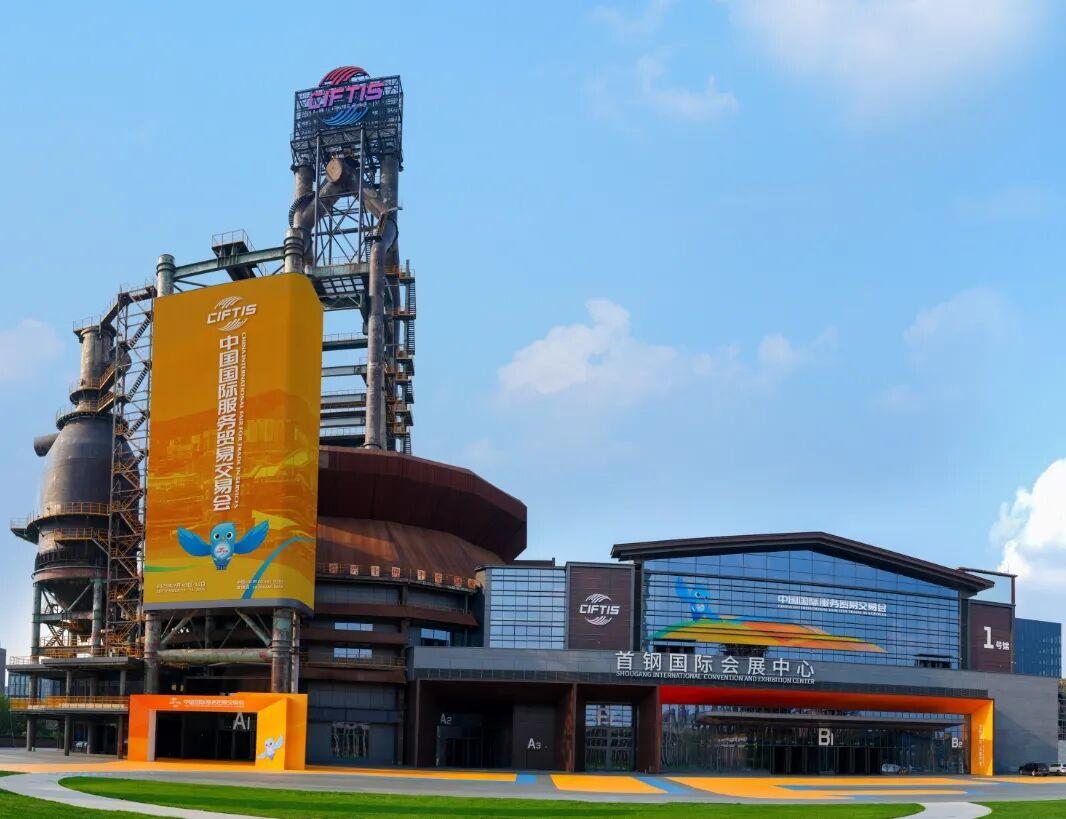
The choice of Shougang Park as the venue for the launch adds another dimension to the strategy.
Once one of Beijing's major steelmaking areas, Shougang has been transformed into a large exhibition and cultural complex. Its former industrial structures have been integrated into modern exhibition facilities rather than simply demolished and replaced. The 2026 China International Fair for Trade in Services is being held there from September 9 to 13.
The transformation offers a useful parallel to the rural tourism strategy: economic value can be created by giving existing assets new uses.
At Shougang, industrial infrastructure has become part of the visitor experience and a platform for international events. In rural areas, villages, traditional culture, landscapes and agricultural resources are being packaged into longer and more commercially valuable tourism experiences.
The same event also launched the “Cycling in China” tourism brand, which combines online content with offline cultural activities and plans to develop cycling guides, educational tours, sporting events and brand partnerships.
For China, the challenge is therefore no longer simply attracting tourists. It is about expanding the geography and economics of tourism beyond the country's best-known urban destinations.
If successful, rural internationalization could give smaller communities access to overseas visitors while creating new demand for accommodation, food, cultural products, transportation and recreational services.
The broader objective is to turn rural tourism from a predominantly domestic leisure activity into an international service industry—one in which China's countryside becomes not just a place to visit, but a marketable experience.