
Iran’s Deputy Minister of Industry, Mining and Trade for Commercial Affairs, Mohammad Sadegh Mofatteh, wrapped up a visit to Tajikistan this week with a clear message: both sides are ready to move beyond political declarations and tackle the practical barriers that have kept bilateral trade far below its potential. In a series of meetings with senior Tajik officials, Mofatteh pushed for faster implementation of existing agreements and new mechanisms to expand economic exchanges.
The visit included talks with Ahliddin Nuriddinzadeh, Deputy Minister of Economic Development and Trade; Tursunzoda Azim Haydar, First Deputy Head of the Customs Service; and Nur Ali Mohammadullah, First Deputy Minister of Agriculture. Across all three fronts, the Iranian side emphasized the need to remove obstacles facing private-sector actors and to create concrete opportunities for Iranian companies in the Tajik market.
On trade and finance, Mofatteh called for accelerating the exchange of tariff data to finalize a preferential trade agreement. He proposed using national currencies, barter arrangements, and new settlement mechanisms to reduce reliance on third-party currencies. A database of economic actors from both countries would help identify and resolve problems quickly, he said, while stronger links between Tajik institutions and Iran’s commercial counselor could speed up dispute resolution. He also urged Tajikistan to give Iranian firms better access to tenders and technical and engineering projects.
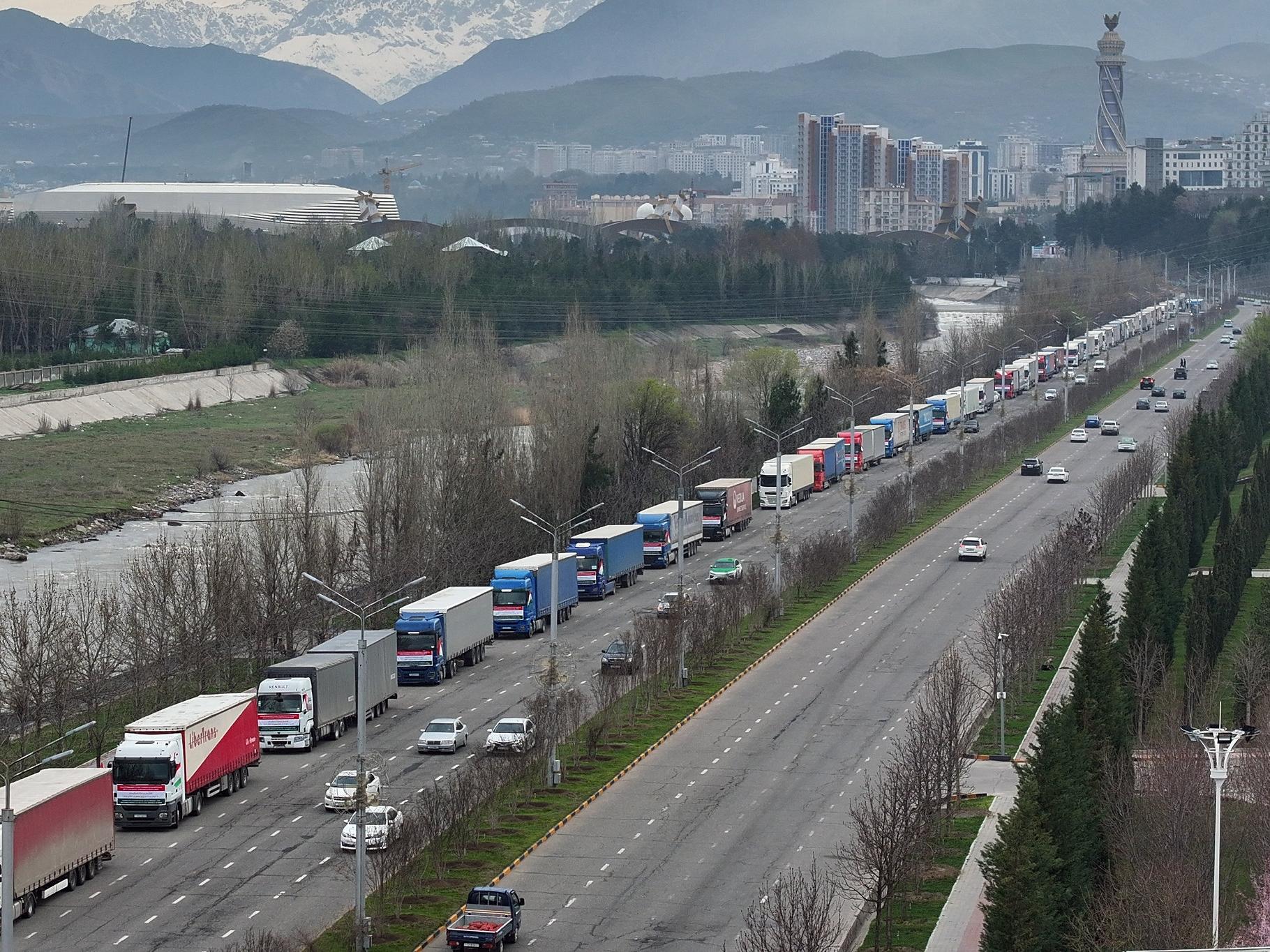
Customs cooperation emerged as a central theme. Mofatteh proposed a consultative mechanism between the two customs administrations to address disputes over goods valuation and tariff classification, aiming for a unified procedure. He pushed for electronic exchange of customs documents before shipments reach the border, which would cut delays, costs, and stoppages. He also highlighted the potential of rail and road transport, smoother entry and exit of Iranian and Tajik trucks and wagons, and greater use of Iran’s territory for Tajik exports and transit. A specialized meeting involving both customs agencies, the commercial counselor, and companies with real cases was agreed upon to find practical solutions.
Agriculture offered another area of convergence. Iranian companies have expressed readiness to supply agricultural machinery, pesticides, fertilizers, irrigation equipment, livestock medicines and vaccines, and poultry farming gear. Mofatteh proposed a joint project to assemble tractors and agricultural machinery in Tajikistan with the Iranian firm Tajiran, with an eye toward exporting to regional markets. He also outlined a cotton value chain project—from procurement to processing, spinning, weaving, and final products for third markets—along with greenhouse, cold storage, packaging, and processing industries. A joint production unit for livestock and poultry medicines was discussed, pending market assessment and feedback from Tajikistan’s Agriculture Ministry and private sector.
The numbers tell the story of untapped potential. Trade between Iran and Tajikistan reached $254.3 million in the first half of 2026, up 14.8 percent year-on-year. Both sides have set a goal of $1 billion by 2030. While the upward trend is encouraging, officials acknowledge that regulatory hurdles, customs bottlenecks, and financial constraints still hold back growth. Mofatteh’s visit signals Iran’s intent to turn regional partnerships into tangible economic gains, and Tajikistan’s engagement suggests a shared willingness to translate agreements into action. The coming months will test whether these commitments produce results on the ground.