
In a significant move to bolster Iran's business environment, the Iran Chamber of Commerce, Industries, Mines and Agriculture (ICCIMA) has unveiled a series of initiatives aimed at strengthening the private sector's role in economic policymaking.
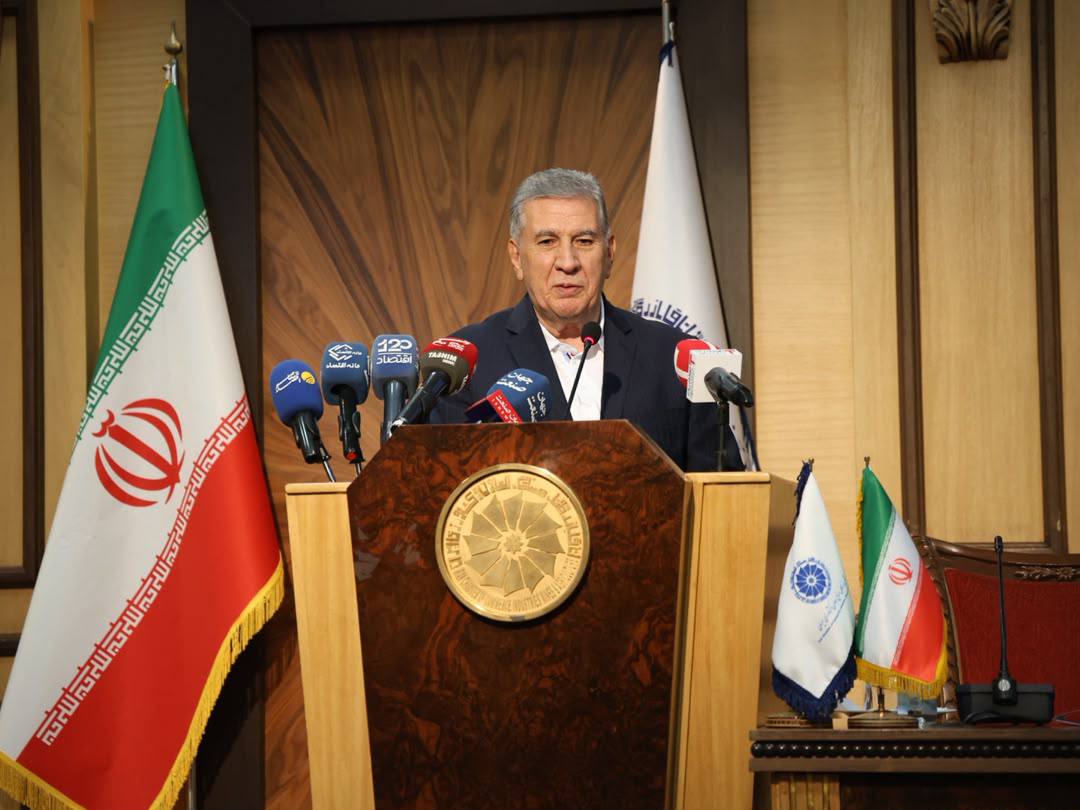
Speaking at the Board of Representatives meeting on Sunday, ICCIMA President Samad Hassanzadeh announced that a five-party memorandum of understanding will be signed on Monday, September 21, during the Government-Private Sector Dialogue Council. The agreement, involving the ICCIMA, Ministry of Economy, Legal Deputy of the President, Ministry of Interior, and the Council of Ministers Secretariat, seeks to enhance coordination among governance institutions to create a transparent, stable, and competitive economic atmosphere.
Hassanzadeh praised economic actors for preserving production centers and employment despite nearly five decades of sanctions and imposed wars, including the 8-year, 12-day, and Ramadan conflicts. He emphasized that overcoming current challenges requires strengthening endogenous economic ties by integrating large industries with small and medium-sized enterprises.
The ICCIMA also launched the Iran Subcontracting and Partnership Exchange (SPX) System, designed to transform scattered relationships between small and large enterprises into sustainable, transparent cooperation. This platform aggregates enterprise data and employer needs to create lasting business linkages.
Additionally, Hassanzadeh revealed a new proposal to the Central Bank regarding foreign currency allocation. The plan suggests that essential goods like medicine remain under government purview, while other imports be handled by the private sector without order registration or currency transfer requirements.
He also welcomed the Minister of Industry, Mining and Trade's announcement that unified customs command under provincial governors is being planned to expedite goods clearance.