
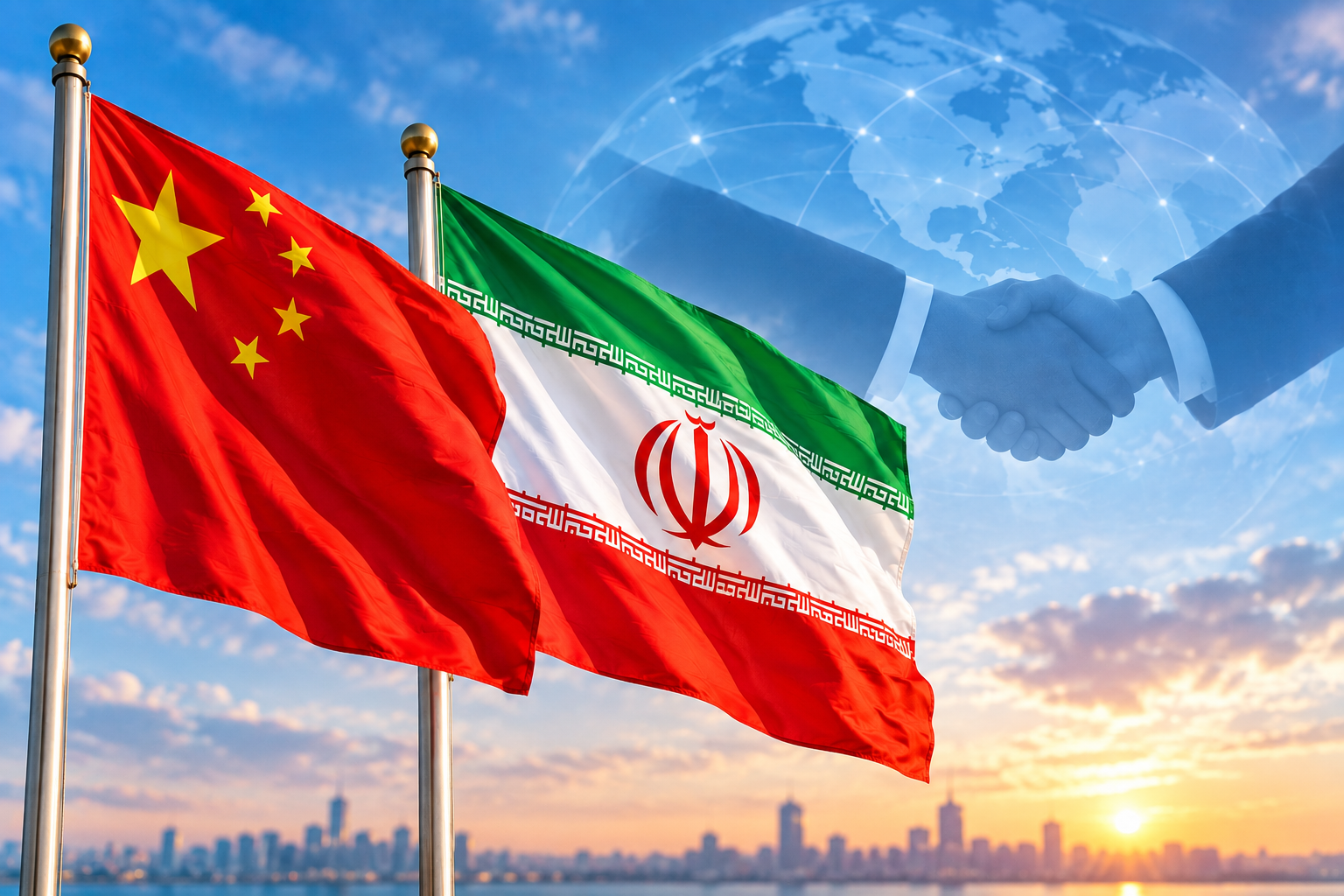
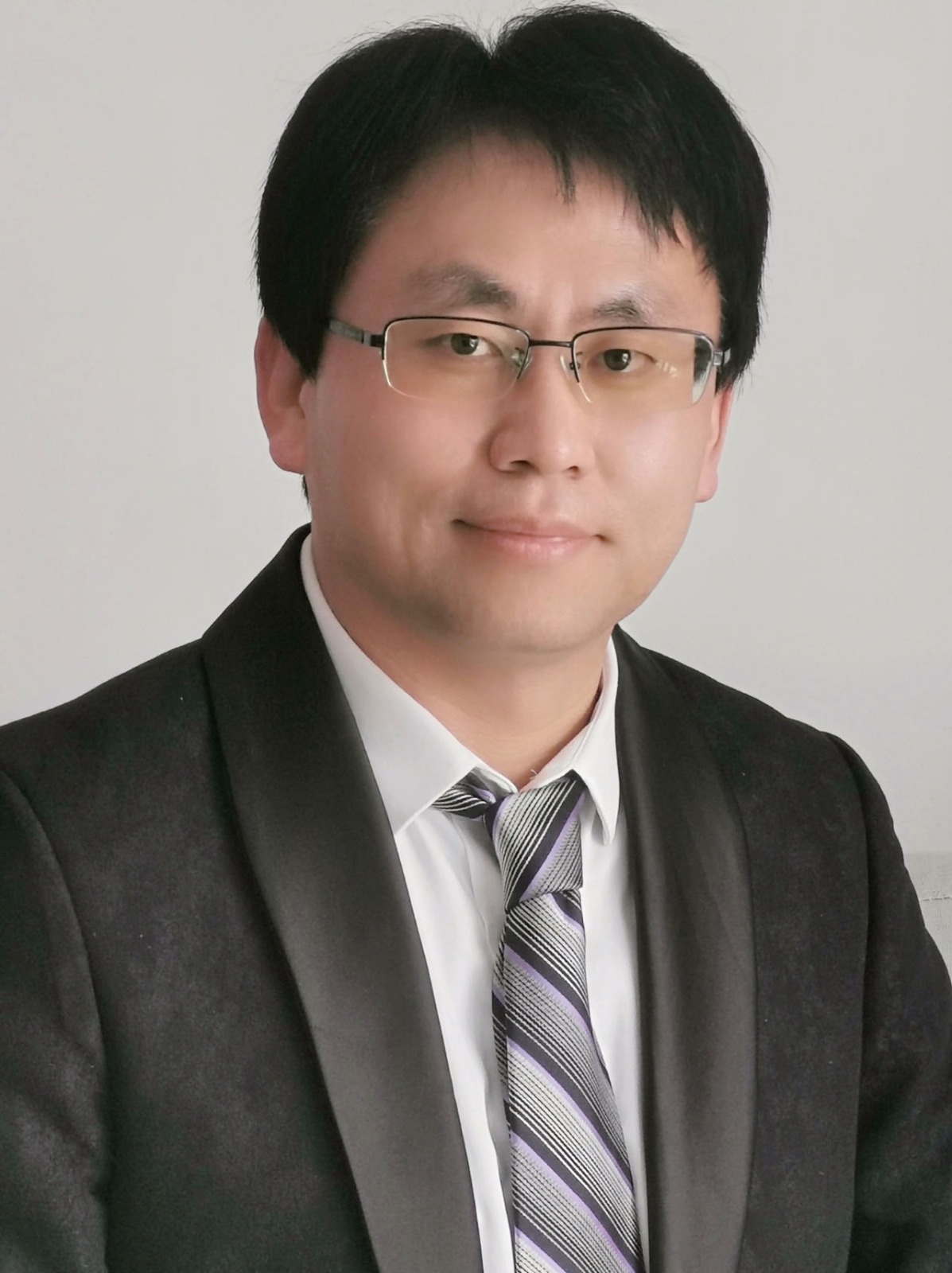
China is stepping up its diplomatic efforts in the Middle East as the continuation of regional conflicts increases the pressure on countries in the region and raises expectations for Beijing to play a greater role in helping reduce tensions, according to Professor Hongda Fan, Director of the China–Middle East Center at Shaoxing University and a Visiting Scholar at the Middle East Institute of the National University of Singapore.
Speaking to Financial Tribune, Fan said China had already been actively involved in regional diplomacy, including its role in facilitating the restoration of diplomatic relations between Iran and Saudi Arabia in 2023. The experience, he said, gave Beijing greater confidence that it could contribute to peace in the Middle East, while also demonstrating that successful mediation ultimately depends on the willingness of the parties themselves to resolve their differences.
Fan said Beijing would be willing to facilitate communication among the parties if called upon, but stressed that outside powers could only do so much. The countries directly involved must have a genuine desire to reach common ground and be prepared to make the necessary compromises, he said.
His comments come as China faces growing expectations to use its diplomatic relationships across the region to help contain tensions. Fan said Beijing is able to communicate with all sides, describing this as an important advantage in its efforts to promote regional peace. He added that China is already consulting with the parties concerned over the situation in the Persian Gulf and the Red Sea.
On Iran, Fan rejected the idea that Beijing would seek to pressure Tehran as part of its regional diplomacy. He said China’s long-standing policy of maintaining diplomatic balance in the Middle East means that Beijing would present its views with Iran’s interests, as well as regional peace and stability, in mind. He specifically stressed that Tehran should not interpret views or suggestions from Beijing as an attempt to pressure Iran.
Fan also pointed to what he described as growing interest in Iran in translating closer relations with China into concrete cooperation. He said Iran appears to be seeking to give China a more prominent place in its foreign policy, while encouraging Tehran to identify areas where its development needs and priorities can align with China’s long-term development direction.
At the broader regional level, Fan said the interests of China and Middle Eastern countries are closely aligned when it comes to peace and stability. At the same time, he emphasized that the regional security order should primarily be built by the countries of the region themselves, with China ready to provide assistance when requested.
He said a peaceful Middle East would create more opportunities for the region, adding that people in China, including both the government and the public, hope to see peace and stability return as soon as possible.
Following is the full text of the interview:
1. In recent days, we have seen Chinese President Xi Jinping speak about BRICS’ role in promoting peace in the Middle East, Iranian Foreign Minister Abbas Araghchi’s visit to Beijing, and Saudi Arabia’s request that China use its ties with Iran in relation to the Yemen crisis. Do these developments signal a gradual shift in China’s approach—from calling for restraint to taking a more active diplomatic role?
In my view, Beijing is paying increasing attention to the ongoing conflict in the Middle East and stepping up its diplomatic efforts. China had already been actively involved, including in facilitating the [Islamabad] memorandum of understanding. But as the conflict drags on and its negative consequences for countries in the region and the wider international community become increasingly serious, expectations for China to play a greater mediating role are also growing. Against this backdrop, Beijing is becoming more deeply engaged in diplomatic efforts to help de-escalate the conflict.
2. If China seeks to play a more active role, would Beijing be willing to relay messages between the parties—and, more importantly, to bear the political costs of mediation?
I believe that, if called upon, Beijing would certainly be willing to help facilitate communication among the parties to the conflict. In fact, China has long been working to help parties to conflicts in the Middle East resolve their differences and move toward reconciliation. While Beijing is willing to play such a role, it is equally—if not more—important that the parties themselves have a genuine desire to reach common ground and are prepared to make the necessary compromises.
3. Reuters has reported that Saudi Arabia asked China to use its ties with Iran to encourage Tehran to leverage its influence over the Houthis to contain the Yemen crisis. If accurate, does this mark a shift in China-Iran relations toward a broader regional lever? And would Tehran accept such a role for China without viewing it as pressure from Beijing?
I do not know whether the Reuters report is accurate. But if Riyadh has indeed made such a request, it would be entirely understandable. The situation in the Middle East, particularly in the Persian Gulf, clearly calls for China to play a greater role in promoting regional peace and stability. Given Beijing’s long-standing approach of maintaining diplomatic balance in the Middle East, I do not believe China would seek to pressure Tehran. Rather, Beijing would offer its views with Iran’s own interests, as well as regional peace and stability, in mind. I want to emphasize one point in particular: Tehran should not interpret views or suggestions from Beijing as an attempt to pressure Iran.
4. Under the current circumstances, does Iran need China more than before, or has the crisis increased Iran’s geopolitical value to China, potentially making the relationship more balanced?
Based on the institutional arrangements and policy proposals on Iran-China cooperation that have emerged from Tehran since May, I believe Iran is seeking to give China a more prominent place in its foreign policy. I have also seen growing discussion within Iranian political and business circles about how to turn the desire for closer cooperation with China into concrete action.
Beijing’s view of Iran has not fundamentally changed, nor has its policy of maintaining diplomatic balance across the region. I agree with some of my Iranian counterparts that Iran needs to be more proactive in identifying areas where its own development needs and priorities can align with China’s long-term development direction.
5. If the crisis escalates further and the security of the Strait of Hormuz, the Red Sea, or energy flows comes under serious threat, where is the point at which China can no longer limit itself to calling for restraint? Does Beijing have both the tools and the political will for more active diplomatic intervention?
If the situation were to escalate to a critical point, the countries of the Persian Gulf—including Iran—would undoubtedly suffer the most. It is therefore in Iran’s own interest to prevent the conflict from spiraling out of control.
As a global power, China is working to de-escalate the situation, because a further escalation could have serious and unpredictable consequences. But outside powers can only do so much. Ultimately, the parties to the conflict themselves must exercise restraint, if only for the sake of their own countries and their future.
6. With Xi Jinping’s upcoming meeting with Donald Trump, can we expect Iran to be among the key issues on the agenda? If Trump asks Beijing to press Tehran toward negotiations or to restrain Iran’s regional allies, how is China likely to respond?
As the leaders of two of the world’s most influential countries, President Trump and President Xi are likely to discuss the Iran issue. However, given that Washington is unlikely to make major concessions to Tehran before the midterm elections, it may be difficult for the two leaders to have an in-depth discussion on the issue.
Since the United States initiated this war, I do not believe Beijing would pressure Tehran simply at Washington’s request. Beijing may, however, hope that Tehran will take more steps to de-escalate the situation in ways that also serve Iran’s own interests.
7. Could China simultaneously engage Tehran, Washington, and the Persian Gulf states in a multilateral dialogue and work toward a broader regional package addressing Iran, the Houthis, maritime security, sanctions, and Iran-Arab relations—or would that exceed China’s current diplomatic capacity?
Faced with the dangerous situation in the Persian Gulf and the Red Sea, as well as growing expectations from the international community, I believe Beijing is already actively consulting with the parties concerned.
China is able to communicate with all sides, and this is an important advantage in its efforts to promote regional peace. However, as Beijing has consistently argued, the regional security order should be built primarily by the countries of the region themselves.
In this process, if Middle Eastern countries need China’s help, I have no doubt that Beijing will provide whatever assistance it can. When it comes to regional peace and stability, the interests of China and Middle Eastern countries are closely aligned.
8. China mediated the restoration of diplomatic relations between Iran and Saudi Arabia in 2023. What did that experience teach Beijing: greater confidence in entering regional security crises, or a clearer understanding of the limits of China’s role?
China’s role in helping Saudi Arabia and Iran restore diplomatic relations in 2023 gave Beijing greater confidence that it could contribute more to peace in the Middle East.
The mediation succeeded fundamentally because all three parties were working toward the same goal. Successful mediation largely depends on the parties to a conflict having a strong desire to resolve their differences. If they have not yet reached even a basic consensus, there is very little that an outside mediator can do.
9. Should we distinguish between China’s economic influence and its ability to translate that influence into political leverage?
China is a major economic power. At a time when the global economic and security environment is far from favorable, China’s overall influence is, relatively speaking, on the rise, including its political influence.
Beijing’s emphasis on diplomacy for peace has certainly helped strengthen China’s international standing. China has the capacity to respond to economic and trade wars imposed on it from outside. So far, however, Beijing does not appear to have actively used its economic power to put pressure on other countries.
10. Ultimately, what do you believe China genuinely wants to achieve under the current circumstances?
Are you referring to the conflicts in the Middle East? If so, I believe that people in China, both the government and the public, hope to see peace and stability return to the region as soon as possible, and are working and praying for that. A peaceful Middle East will bring more opportunities.