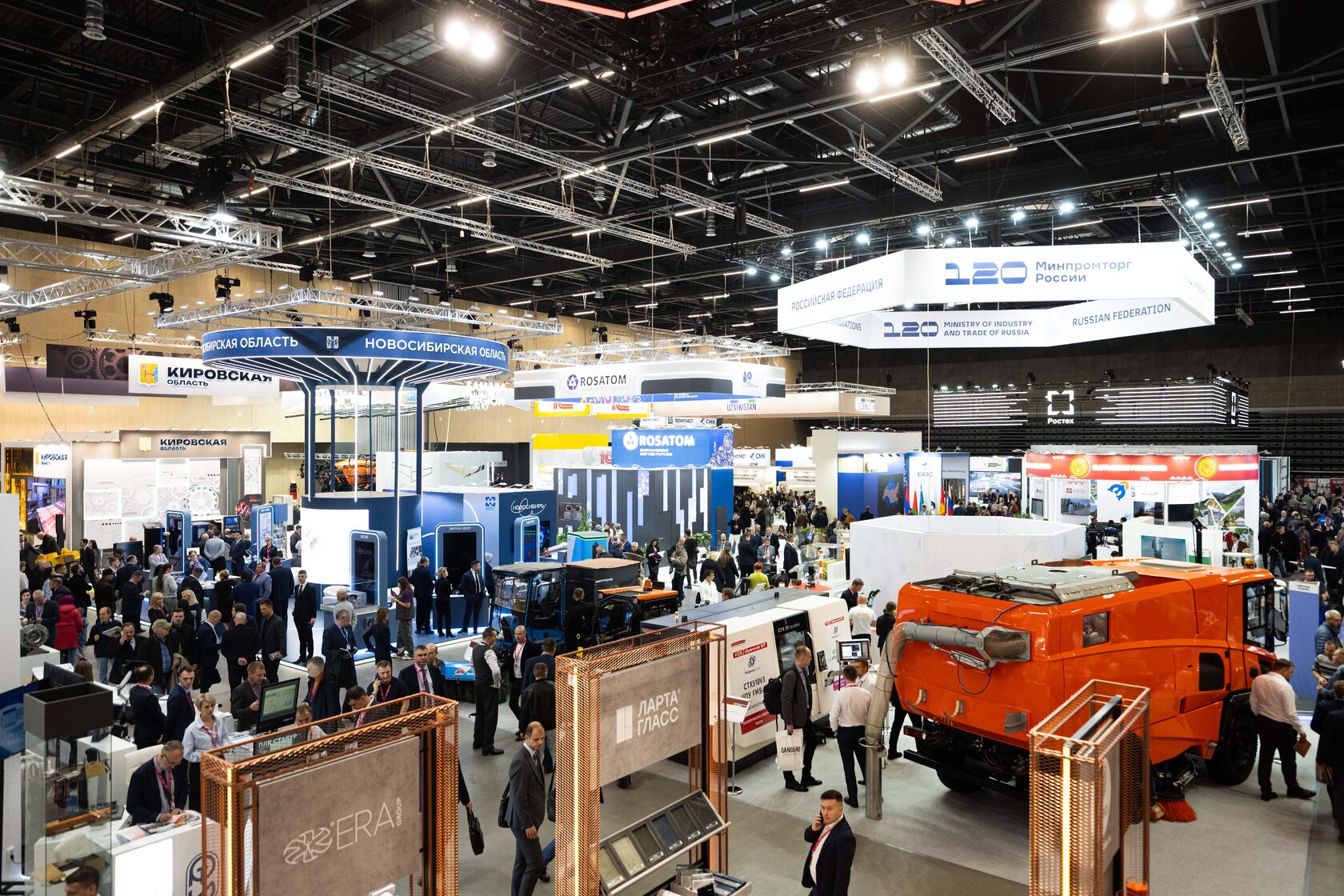
Iran is using the Eurasian Economic Union as a springboard to expand trade, not merely sign declarations. At the Innoprom 2026 industrial exhibition in Minsk, Tehran showcased one of the largest national pavilions after host Belarus, with 20 Iranian companies in petrochemicals, oil and gas, refining, steel, mining and joint investment. Iranian Ambassador Mohsen Omidzamani toured the pavilions and reviewed export and investment capacities. The firms also commemorated the Minab martyrs.
The visit combined three tracks: Innoprom; the 19th Iran-Belarus Joint Economic Commission; and the EAEU prime ministers’ meeting. Mohammad Ali Dehghan Dehnavi, head of Iran’s Trade Promotion Organization, said the free trade agreement with the EAEU—and Iran’s observer status—created “considerable capacity” for economic and trade exchanges. The TPO described the pact as an important capacity for expanding trade exchanges between Iran and member states, while officials pursue bilateral and multilateral cooperation.
The most concrete outcome was a memorandum between Iran’s automotive testing center, ISQI, and Belarus’s Centromash. Signed on Innoprom’s sidelines in the presence of Belarus’s industry minister, Dehghan Dehnavi and IDRO chairman Farshad Moghimi, it covers crash-test equipment, joint research, approvals and supply chains. Centromash is known for standardization, technical inspections and advanced automotive tests. For Iranian automakers, the deal could cut research costs, improve safety and ease access to EAEU markets. It signals that Tehran and Minsk intend to move beyond simple trade into technological cooperation in the automotive value chain.
Companies from Russia, Uzbekistan, Kazakhstan, Kyrgyzstan and Azerbaijan joined the Minsk fair, which closed October 1. For Tehran, the message is clear: cooperation with Minsk and the EAEU is shifting from goods trade toward standards, technology and industrial integration. If implemented, the auto MOU may become a test case for broader Iranian manufacturing exports.