
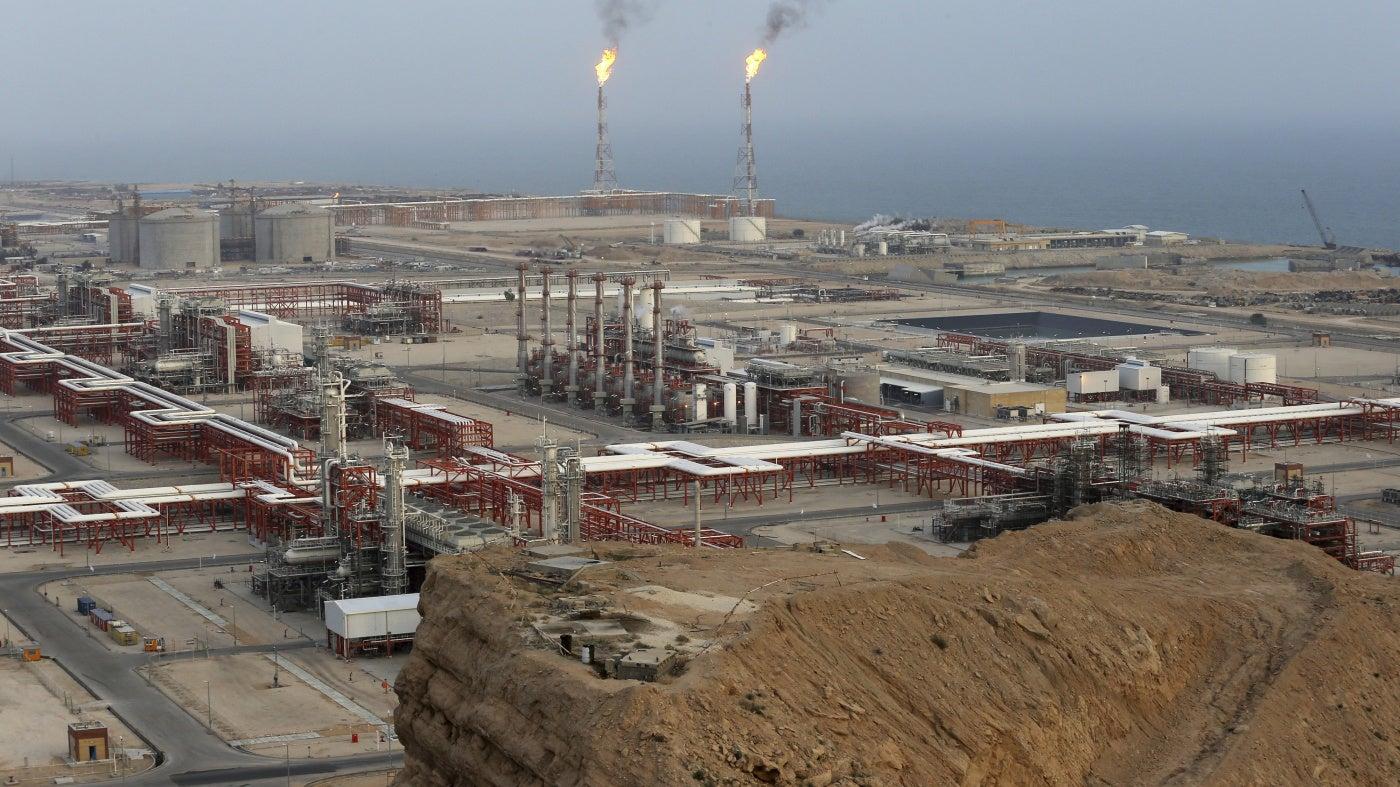
Iran has approved a package of 117 technological projects for its oil and gas industry, prepared with the cooperation of 42 entities, as part of efforts to enhance production, improve energy efficiency, and address the country's growing energy imbalance.
The package was reviewed at a meeting of the Special Headquarters for Technology Development, chaired by First Vice President Mohammad Reza Aref. The projects aim to strengthen the resilience of the oil and gas sector, support private sector participation, develop dual-use technologies, and prioritize initiatives aligned with upstream national documents.
Key priorities include increasing oil and gas production, completing the refining value chain, resolving gasoline and diesel shortages, revitalizing the petrochemical industry, and boosting energy productivity across production, transmission, distribution, and consumption.
Under the plan, crude oil output is targeted to rise by at least 250,000 barrels per day through the supply of modern drilling fleets and related equipment. The initiative also aims to increase foreign exchange revenues by $5 billion and improve oilfield efficiency.
In the South Pars pressure-boosting project, contracts have been signed to design and develop turbines and compressors, with one project set to be inaugurated during the Fajr Decade. This technology, previously held by only five countries, will help sustain daily gas production of over 700 million cubic meters from South Pars for 40 years, generating an estimated $500 billion in surplus gas output.
The plan also includes flare gas management and natural gas storage projects, expected to add 8 billion cubic meters to annual gas supply and support $1 billion in non-oil exports. For the first time in Iran, flare gases have been pre-sold after refining.
In the petrochemical sector, projects are underway to rebuild units damaged during the Ramadan War, reduce imports by $500 million annually, and supply 530,000 tons of raw materials to domestic industries.
Speaking at the meeting, Aref emphasized that Iran consumes 3.8 times the global average in energy, yet saving efforts are often placed solely on the public. He called for a comprehensive energy-saving package, stressing that fines alone are insufficient.
Aref said increasing productivity in oil and gas would help boost national wealth and combat poverty, adding that these projects should be treated as a national commitment rather than mere organizational duties. He concluded that full self-sufficiency in the sector should be achieved through university capacities and private sector collaboration.