
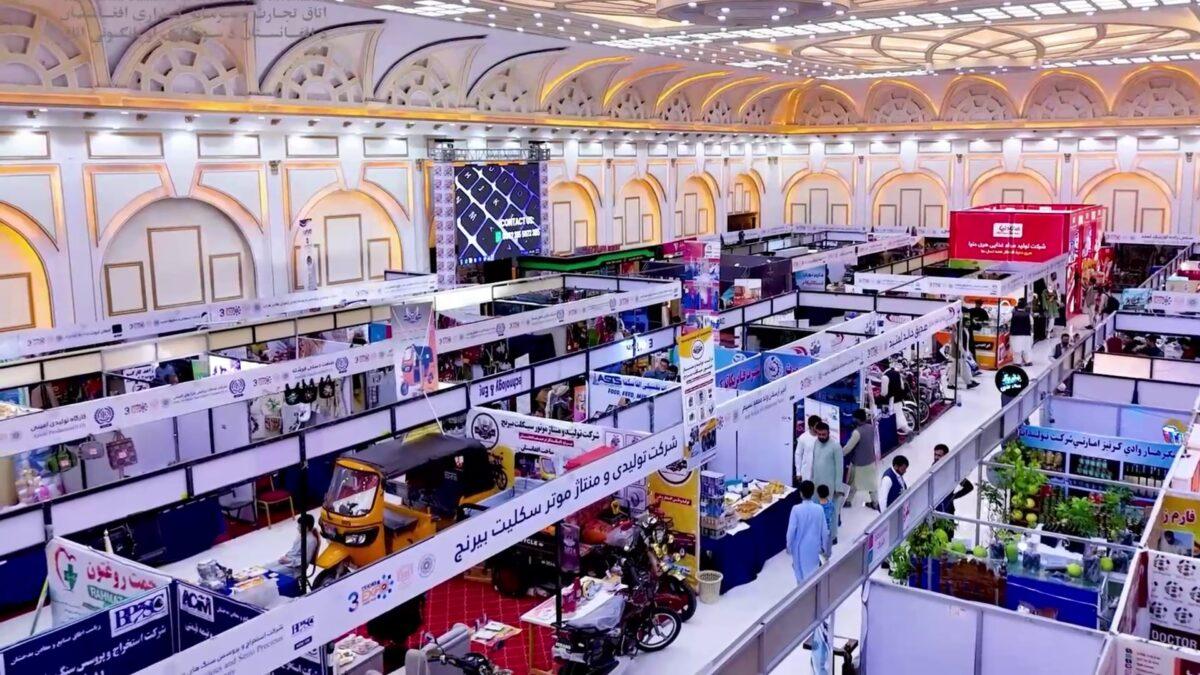
Iran and Afghanistan are moving to convert neighborly ties into commercial deals. On Tuesday, a 180-member Iranian private-sector trade delegation arrived in Kabul, led by Mahmoud Siadat, head of the Iran-Afghanistan Joint Chamber of Commerce. The visit, reported by IRNA, centers on the fifth Imam Abu Hanifa International Exhibition, which opens October 7 and runs for a week.
The delegation is expected to meet Afghan business leaders and investors to explore joint ventures, expand exchanges, and boost transit links. More than 20 countries—including Iran, Russia, India, Turkey, Japan, Uzbekistan, Kazakhstan, and Turkmenistan—are taking part, with sectors ranging from mining and agriculture to carpets, telecoms, banking, and medical equipment.
Afghan analyst Abdul Nasir Rashtia stressed the strategic value of stable ties with neighbors, noting that better use of regional routes would cut transport costs, especially given Afghanistan’s limited rail and transit infrastructure. The push comes as Tehran and Kabul aim to lift bilateral trade to $10 billion a year, a target that remains far above levels.
Diplomacy is running parallel to business. Hamid Ghanbari, Iran’s deputy foreign minister for economic diplomacy, met Mohammad Naeem, Afghanistan’s deputy minister for financial and administrative affairs, on Tuesday. Their talks focused on expanding trade and economic cooperation, with infrastructure high on the agenda—the Herat–Mazar-i-Sharif railway. If realized, the line would strengthen overland connectivity and complement broader efforts to turn Afghanistan into a regional transit hub.
For Iran, deeper engagement offers a chance to expand non-oil exports and secure a foothold in a neighboring market. For Afghanistan, it promises investment, jobs, and links to global supply chains. Much depends on security, logistics, and banking access, but the latest delegation and railway talks signal that both sides see integration as a priority.