
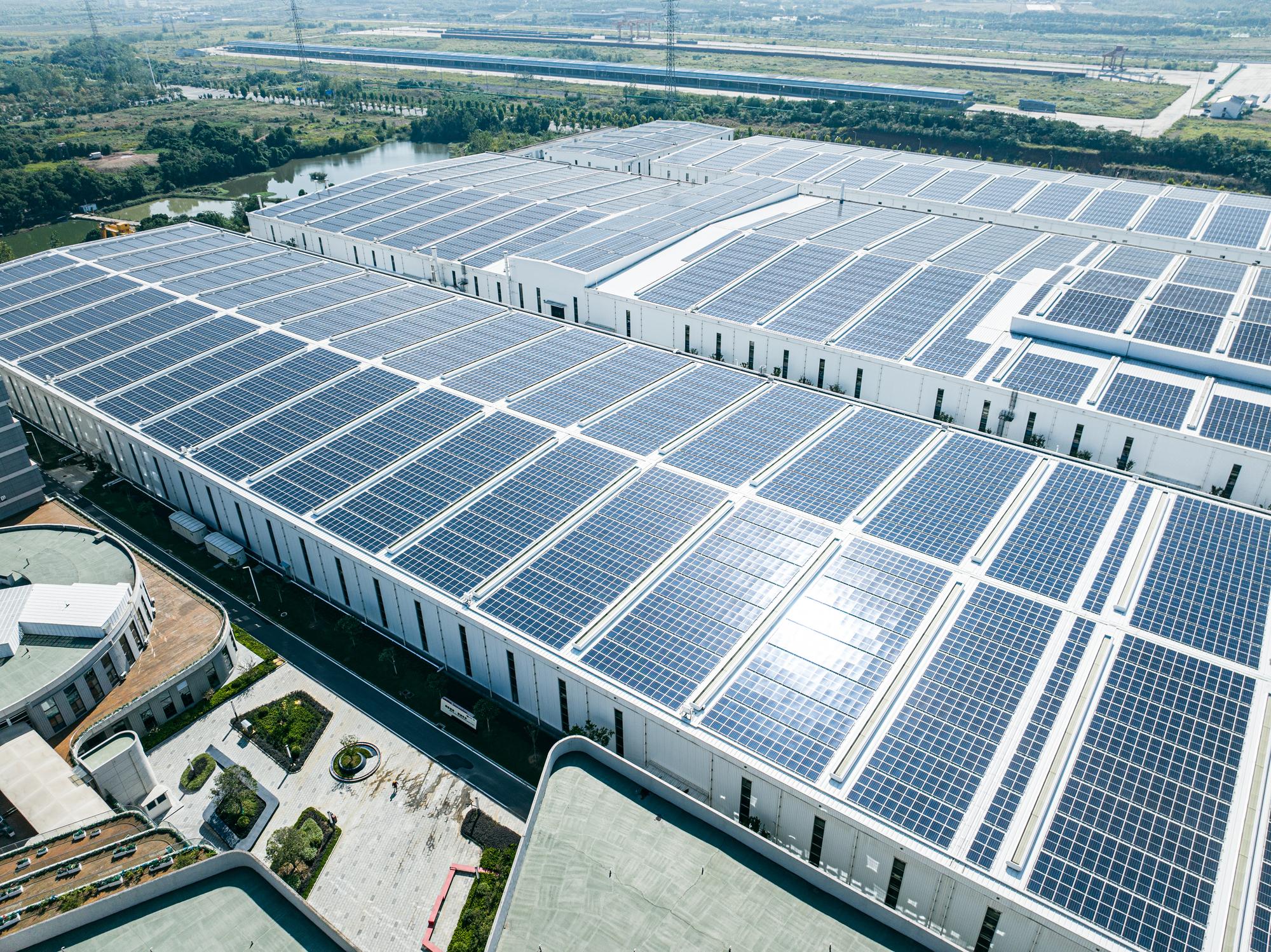
Iran marked World Standards Day on October 13 with a clear message: the future of quality infrastructure lies in clean energy, smart oversight and future-ready regulation.
At the Summit Hall in Tehran, the National Standards Organization of Iran brought together government officials, industry leaders and quality professionals under the slogan "Shared Vision for a Better World," with this year's focus on "Clean and Affordable Energy." The choice of theme reflected a growing recognition that standards are not merely technical documents but strategic tools for sustainability, competitiveness and public trust.
In her address, Farzaneh Ansari, head of the organization, outlined a significant shift in approach. The body is moving away from sole reliance on mandatory standards toward an integrated framework of technical regulations, conformity assessment and risk-based smart supervision. This new model demands data-driven decisions, interconnected systems, stronger product traceability and accredited assessment bodies. The goal, she said, is to protect public health and safety, meet public expectations for quality, support quality producers and ease trade—while eliminating duplication among agencies.
The ceremony placed particular emphasis on energy standards in energy-intensive industries. Optimizing production processes, developing renewable infrastructure and reducing pollution are central to this effort. Agriculture and food industries received special attention: energy management standards across the value chain—from cold storage and processing to industrial greenhouses—can lower production costs, preserve post-harvest quality and cut agricultural waste. Standardizing energy-intensive equipment also strengthens food security infrastructure and reduces environmental harm.
Future-oriented standardization emerged as another priority. The rapid growth of artificial intelligence, digital technologies, nanotechnology and biotechnology makes timely standards essential. Ansari called on universities, research centers, knowledge-based firms and the private sector to help define quality, safety and reliability requirements as these technologies evolve.
The event also honored top production and service units at national and provincial levels, conformity assessment bodies, technical committees, quality control managers and pioneers in the field. These awards underscored a simple truth: standards succeed only when they are embraced and implemented.
Upcoming programs will focus on technical regulations with sector regulators, smarter supervision, reviewing priority standards, strengthening quality infrastructure and expanding international cooperation. Success, Ansari stressed, should be measured by visible results—higher quality, lower risks, greater productivity, trade facilitation and stronger public trust.
She emphasized that these goals require cooperation from agencies, producers, scientific institutions and the public. A shared vision for a better world, she said, can only be achieved through joint action for a higher-quality, safer and more sustainable Iran.