
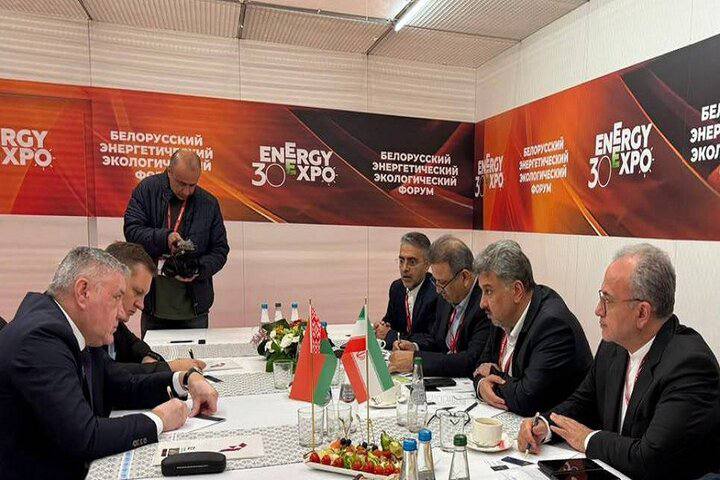
Iran is moving to deepen energy cooperation with Belarus and Tatarstan, with plans for a joint power plant repair center and potential exports of MAPNA-built gas turbines and wind equipment.
The initiatives emerged during a visit by Deputy Energy Minister Mostafa Rajabi Mashhadi to Belarus, where he met energy officials and proposed the repair hub. Negotiations with the Belarusian national electricity company yielded agreement to finalize the legal and technical dimensions of a memorandum of understanding within one month, paving the way for signature. The two sides also agreed to form a joint technical team to exchange experience on smart grid and monitoring center projects, and discussed knowledge sharing for maintaining 750-kilovolt transmission lines and similar infrastructure.
In a separate meeting with Tatarstan’s deputy prime minister, Rajabi Mashhadi expressed Iran’s readiness to export gas turbines manufactured by MAPNA and wind equipment through private firms working with the energy ministry. He also proposed that Iran Power Plant Repairs Company provide technical and repair services to Tatarstan’s power plants. In turn, Tatarstan agreed to share its experience in reducing transmission and distribution losses with Iran’s electricity industry.
Rajabi Mashhadi also visited Belarus’s energy exhibition, where topics included rising electricity demand, fossil fuel constraints, renewable development, consumption management and grid smartening. He toured the Belarusian meteorological organization’s systems for forecasting solar and wind generation and precipitation, noting that Iran’s flood forecasting and meteorological monitoring systems are more advanced than Belarus’s Russian-based infrastructure.
The visit follows a cooperation memorandum signed on October 27 between Iran’s energy minister, Abbas Aliabadi, and his Belarusian counterpart. That agreement focuses on sustainable energy development, renewable cooperation, contracting and infrastructure services, experience exchange, training, technical support, and joint participation in conferences and exhibitions. It also covers construction and management of energy infrastructure, electricity distribution and transmission, and exchange of technical experts.