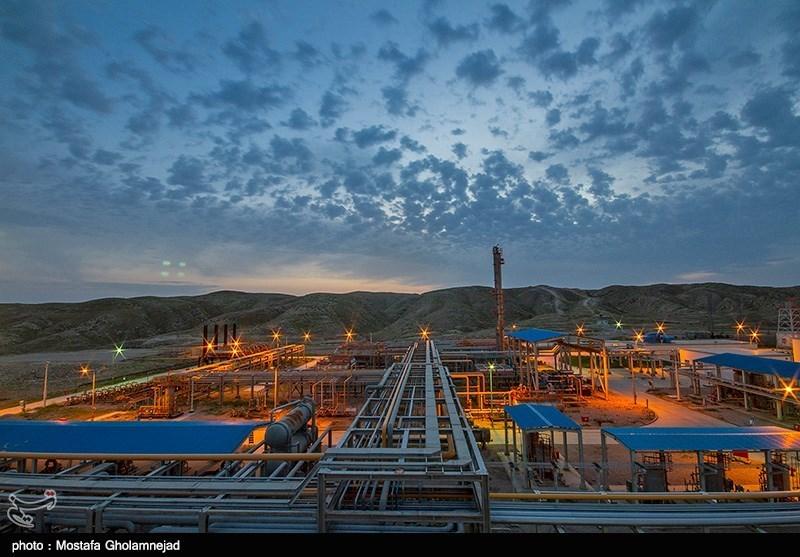
The completion of South Azadegan’s central processing facilities has done more than add capacity; it has redrawn the operational map of Iran’s West Karun oil region. With the full commissioning of the Central Crude Oil Processing (CTEP) complex—four processing trains and a final capacity of 320,000 barrels per day—the project now stands as the country’s largest and most complete crude processing center. For a field long viewed as one of Iran’s most strategic shared hydrocarbon assets, the milestone marks a shift from delayed development to integrated production.
The first phase has already changed output figures. Drilling, completion and commissioning of 203 wells helped lift South Azadegan production from roughly 130,000 barrels per day at the start of the 14th government to more than 183,000 bpd. Combined North and South Azadegan output reached 237,000 bpd when the project was handed to the new contractor. Officials say the trend confirms the value of stabilizing engineering mechanisms and maximizing recovery from shared reservoirs.
The impact extends beyond one field. With CTEP’s 320,000-bpd capacity operational, West Karun’s cumulative processing and exploitation ceiling has reached 820,000 bpd. Overall progress on South Azadegan has passed 80%, with the main surface facilities now complete through coordination among the Petroleum Engineering and Development Company, Petropars, contractors and technical bodies.
The project’s record also includes continuity under pressure. During the 12-day war and the third imposed war, development work did not suffer mandatory stoppages; about 30 rigs paused only briefly for safety. Environmental work is the remaining CTEP step: associated gas facilities are due to capture 200 million cubic feet per day for the NGL 3200 plant instead of flaring. Meanwhile, phase two has begun for the entire Azadegan field, alongside wider West Karun projects and continued foreign investment talks.