
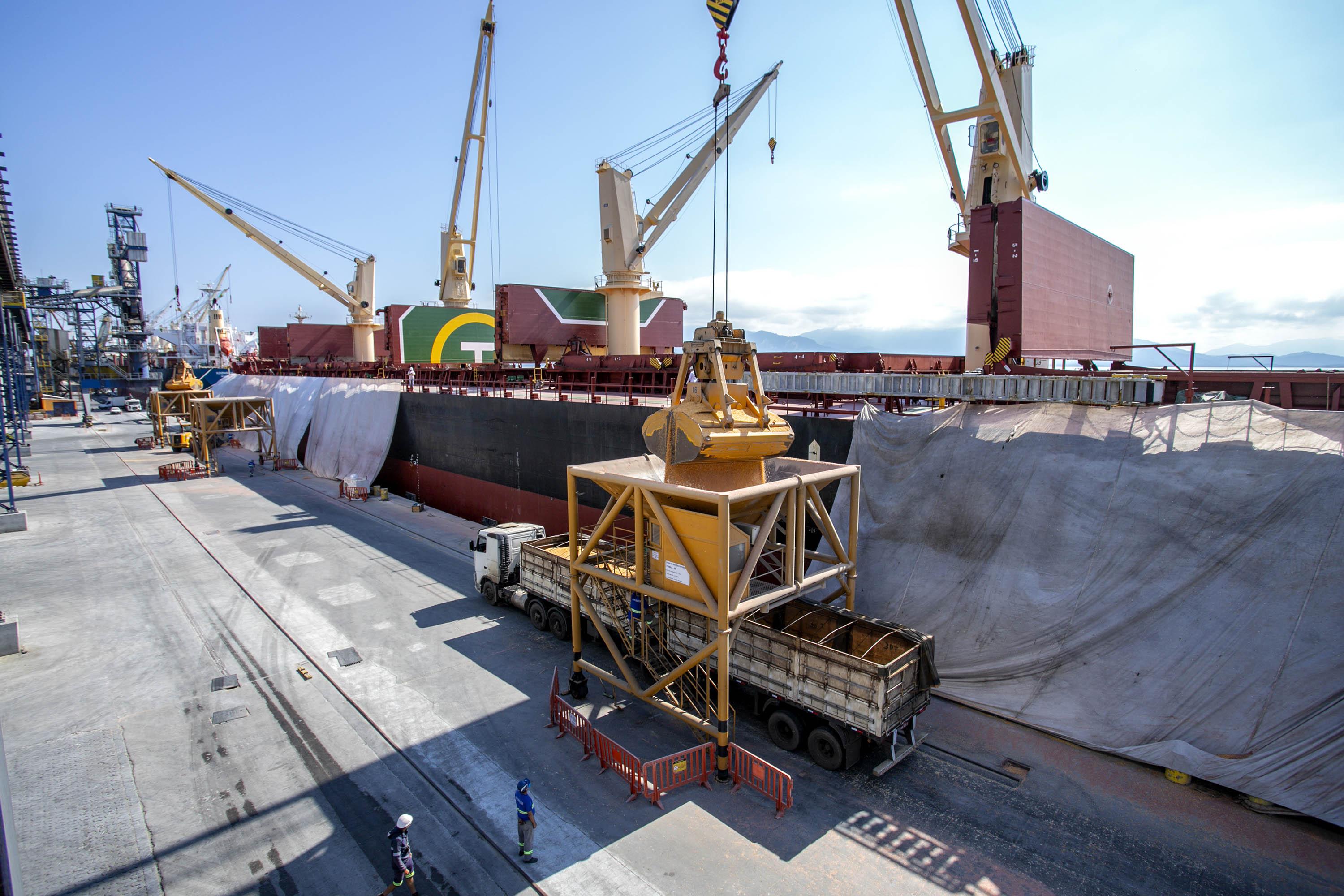
Iran and Brazil are aiming for $10 billion in bilateral trade, with officials saying growing exchanges in basic goods and agricultural products offer a strong base for closer ties.
Abazar Barari, deputy for international affairs at Iran’s Federation of Transport and Logistics, told a Tehran meeting on Monday that the two sides must address obstacles to sustainable trade.
He said post-war supply-chain continuity has made logistics a central challenge, especially given the geographic distance and bulky cargoes such as sugar, corn and grains. Sea transport by large vessels remains far more economical than road haulage, but the war has restricted traditional shipping lanes, pushing some trade through alternative routes and intermediary ports, including via Turkey. Costs have jumped: a 40-foot container that once cost about $3,000 now costs at least $8,000, while alternative land routes are also more expensive.
Barari said other Iranian ports can help reduce dependence on constrained sea lanes, and urged planning now to develop alternative capacity, particularly Chabahar Port, even if hostilities end.