Iran and Armenia opened the 19th session of their Joint Economic Committee this week, launching eight specialized working groups to push trade, transport, energy and industrial ties from talk into implementation. The Iranian delegation is led by Seyyed Hamid Pourmohammadi, head of the Planning and Budget Organization, who pointed to Armenia’s “committed” stance toward Tehran during recent regional conflicts and described the meeting as a chance to convert longstanding political goodwill into concrete economic gains.
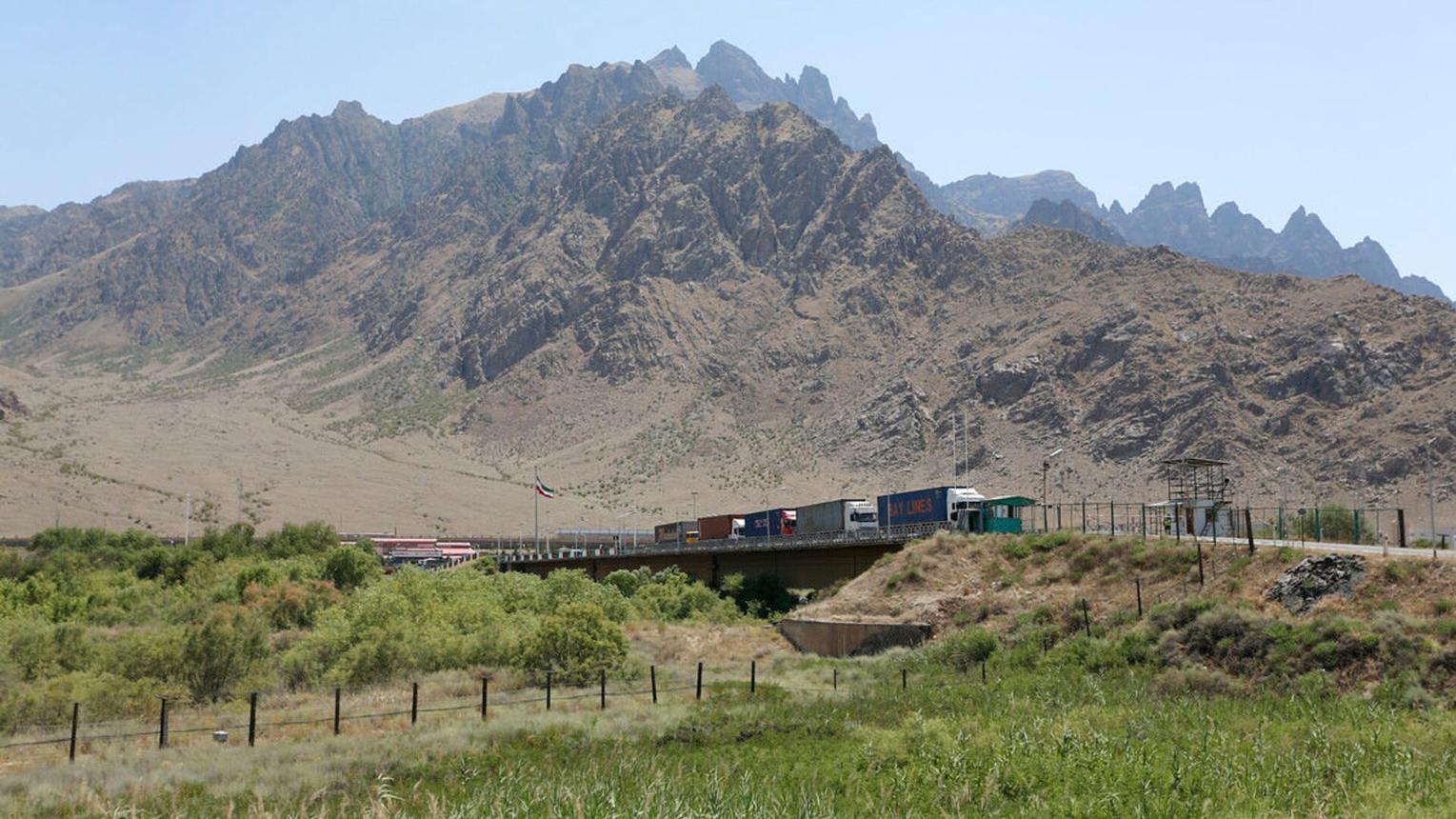
The committees cover infrastructure, customs, trade, culture and art, health, industry, mining and technology, and are due to conclude with a signed cooperation document. Transport is emerging as the centerpiece. Iran is racing to complete the Jolfa–Nordooz road, while Iranian contractors are building the Nordooz–Yerevan section inside Armenia. Plans also include a new Aras River bridge, upgraded border terminals and expanded customs capacity—steps Tehran hopes will cut waiting times for trucks and boost tourist flows.
Energy cooperation is advancing in parallel. Iranian contractors are laying an electricity transmission line from Armenia toward Iran, and officials see petroleum product supplies to Armenia as another opening. Mining, industry and technology also feature on the agenda, with both sides seeking to match Armenian resources and Iranian industrial know-how.
Pourmohammadi is expected to meet Armenian Prime Minister Nikol Pashinyan to review the committees’ conclusions and discuss ways to sustain momentum. A cultural dimension is also planned, including a meeting with Armenian Iranologists and the unveiling of a complete Armenian translation of Ferdowsi’s Shahnameh.
Officials on both sides stress that shared history and geography give them unusual advantages. The test, however, will be whether this session produces operational deals—not just declarations—that give traders, transporters and investors something they can use. For Tehran, the meeting is also a signal that its neighborhood policy still has economic ballast.