
Iran’s three main private-sector chambers have put forward a constructive trade-for-forex mechanism designed to support both exporters and the government, marking a fresh step toward practical economic coordination.
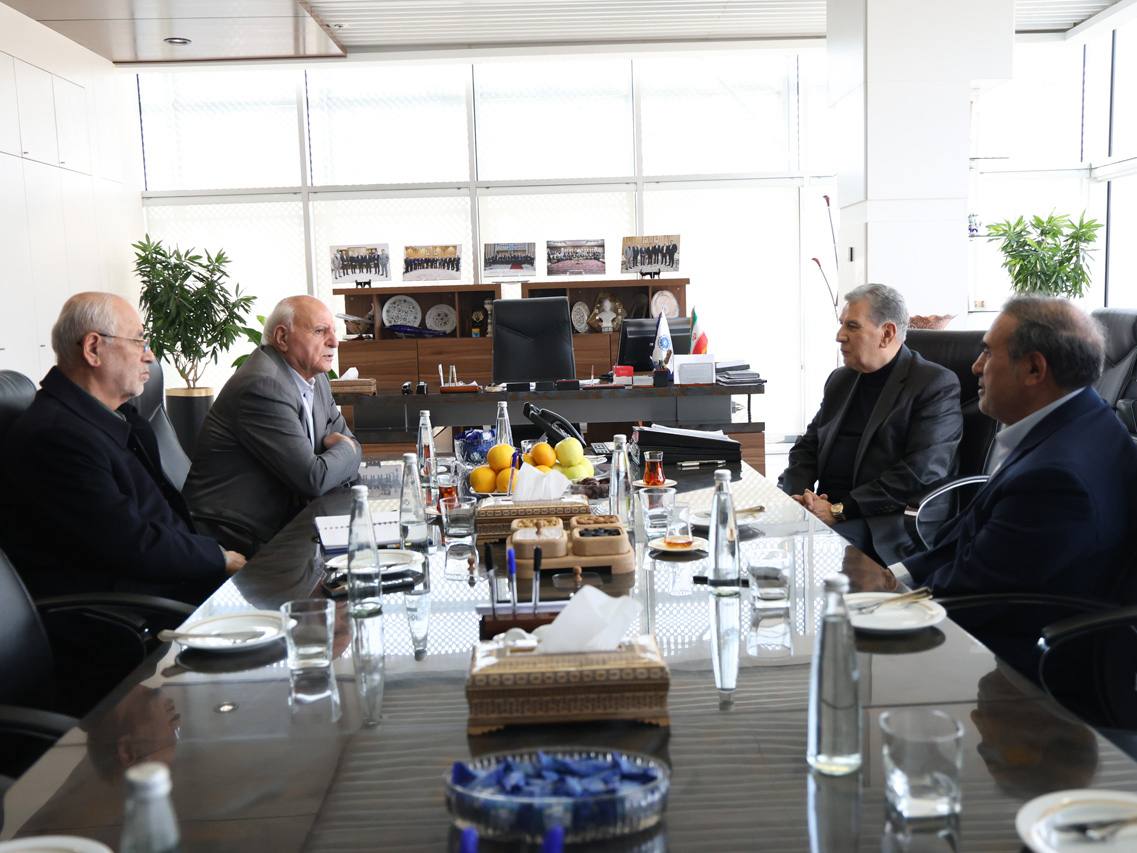
The proposal was presented at the monthly joint meeting of the heads of the Iran Chamber of Commerce, Industries, Mines and Agriculture; the Iran Chamber of Guilds; and the Iran Chamber of Cooperatives. Under the plan, exporters would be enabled to import essential goods needed by the country up to the ceiling of their foreign-exchange obligations, instead of being limited to importing only their own raw materials, parts and machinery. The chambers believe this would create a positive incentive for exports and imports while helping meet national needs for essential goods and production inputs.
Samad Hassanzadeh, head of the Iran Chamber of Commerce, Industries, Mines and Agriculture, said the private sector is ready to offer practical, multifaceted solutions that ease economic challenges, support social calm and improve livelihoods. He described the proposal as a constructive way to address exporters’ foreign-exchange settlement issues while strengthening the supply of essential goods.
The chambers also voiced support for a greater private-sector role in economic management and in organizing the country’s economy. On economic diplomacy, they called for conditions that allow the private sector to play a maximum role in international dealings and in expanding exchanges with neighbors, aligned countries, BRICS members, the Shanghai Cooperation Organization and the Eurasian Economic Union.
Hassanzadeh said many countries have signaled readiness to expand economic interaction with Iran. He highlighted a recent Iran Chamber delegation visit to Kenya and plans under consideration for a trade center and permanent exhibition of Iranian products in Nairobi, reflecting promising opportunities in African markets.
Bahman Abdollahi, head of the Iran Chamber of Cooperatives, pointed to opportunities for extraterritorial cultivation in Kazakhstan to help supply agricultural inputs and essential goods. He also cited Uzbekistan’s plan to build a new commercial capital city as a valuable opening for Iranian building materials and technical-engineering services.
The meeting decided that future monthly sessions will focus on market stability and regulation. Ghasem Nodeh Farahani, head of the Iran Chamber of Guilds, expressed full readiness to supply people’s necessities and maintain market stability under any conditions, drawing on valuable experience from recent imposed wars. The gathering reflected a positive, solution-oriented spirit and a shared commitment to cooperation.