
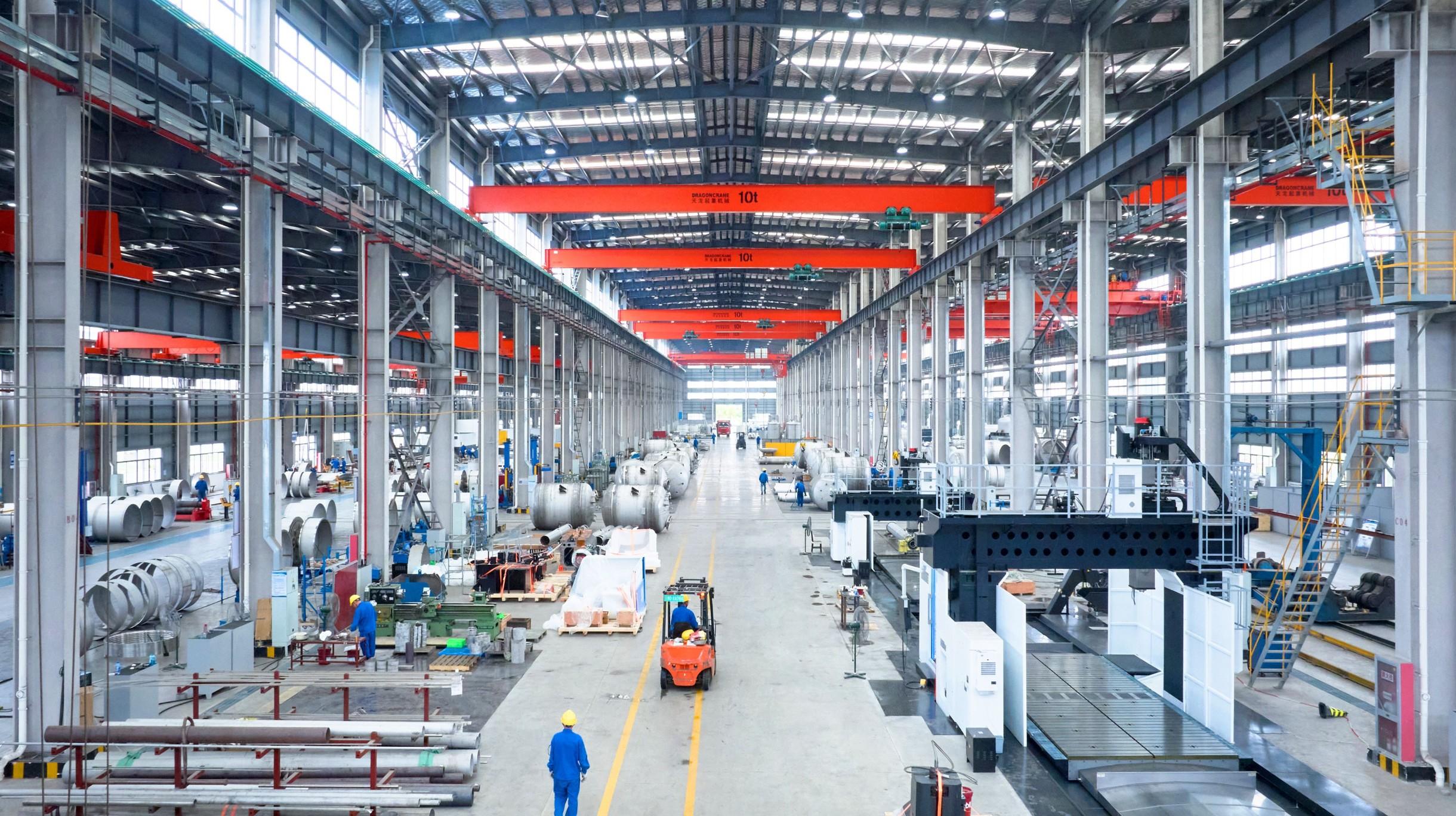
Nearly half of the 557 industrial units damaged during the 40-day imposed war in Tehran Province have returned to operation, officials say. Mahmoud Sijani, director-general of the province’s Industry, Mining and Trade Department, reported that 252 units have been rebuilt.
The recovery effort prioritized field visits and daily monitoring to prevent production halts, with support measures covering labor, tax, banking, and social security issues. Debt deadlines, penalty forgiveness, worker insurance, and relocation options helped units resume activity, especially those in strategic supply chains. Damage assessment was conducted free of charge by official judicial experts, and reports were sent to national authorities to unlock further support.
Sijani said the priority was preventing production stoppage in strategic and infrastructural products, with support solutions tailored to each unit’s damage type and operating conditions. The US-Zionist imposed war also disrupted supply chains, prompting the ministry to secure financial resources and prioritize strategic industries.
The strategy, however, goes beyond physical reconstruction. According to Tahmoures Lahouti Ashkouri, deputy minister of industry and CEO of the Small Industries Organization, the ministry is pursuing “resilient regeneration” of the industrial ecosystem. Industries are categorized as directly damaged, supply-chain affected, or small and vulnerable, each with tailored support packages. A specialized platform connects companies to expert consultants, drawing on lessons from the Sacred Defense era.
Lahouti Ashkouri noted that one-third of damaged units were concentrated in industrial towns and zones vital for strategic goods, and stressed that protecting production capacity and monitoring essential supply chains is a defensive priority. With capital market tools and reconstruction funds, the plan aims to modernize industries while preserving production flow across 17 affected provinces—marking a shift from mere rebuilding to long-term resilience, officials describe the approach as a national strategy.