
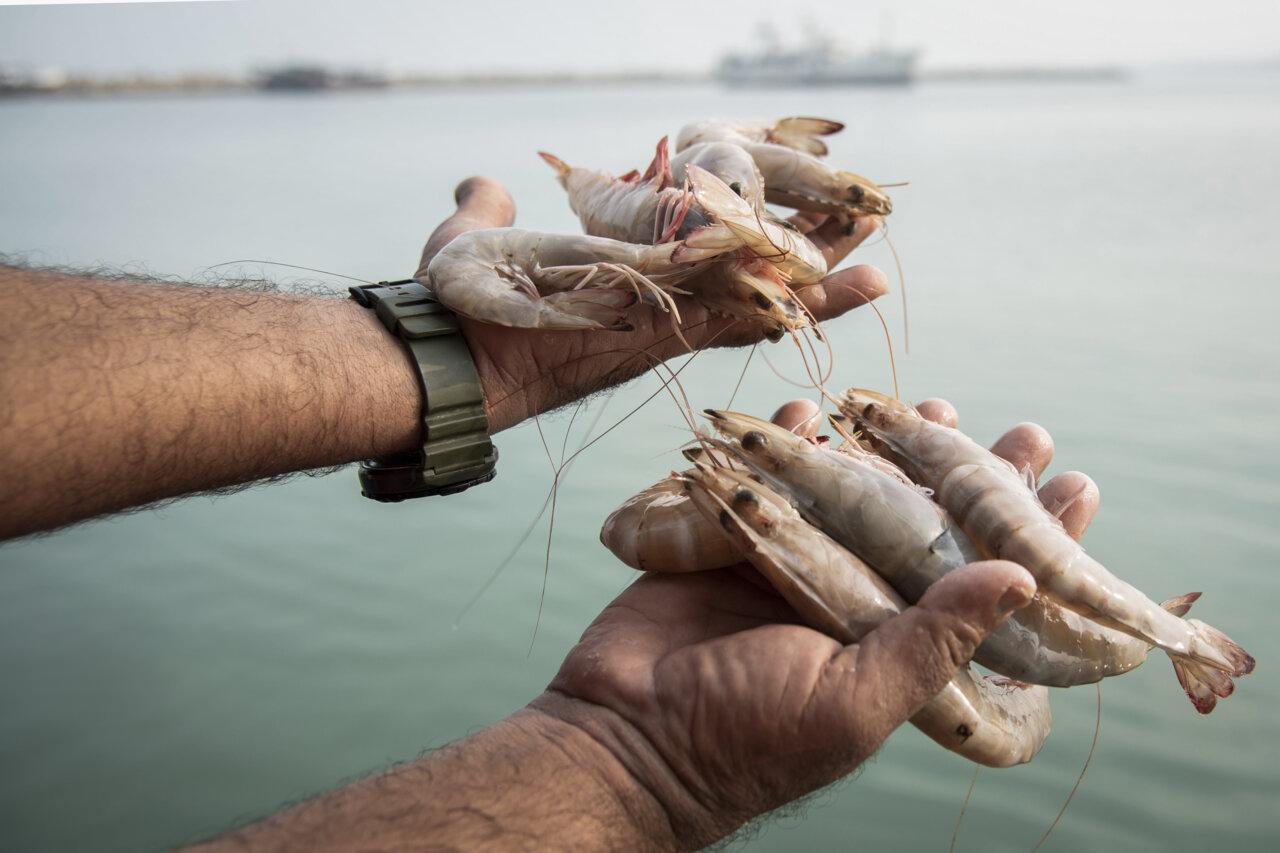
Under the shadow of war and sanctions, Iran opened the 10th International Fisheries, Aquaculture, Fishing and Related Industries Exhibition (IFEX 2026) in Tehran on Friday, spotlighting fishermen from north and south who have kept the production chain alive. Running until November 30 at the Permanent International Fairgrounds, the event was inaugurated by Agriculture Minister Gholamreza Nouri and gathers producers and fishermen from Bu Musa, Sirik, Jask, Qeshm and coastal provinces.
Hamzeh Rostamipour, deputy agriculture minister and head of the Iran Fisheries Organization, said the country is passing through “wartime and difficult days,” yet the exhibition has grown in product diversity, exports and modern production. He paid tribute to more than 40 martyrs and missing persons in the sector since March, noting that fishing and shrimp farming in Hormozgan, Bushehr, Khuzestan and Chabahar never stopped—even when bridges were targeted and feed trucks kept moving.
Figures mirror that resilience. Fisheries exports are up more than 50 percent on pre-war levels, and distant-water catch has grown over 35 percent under Indian Ocean Tuna Commission rules. Investment rose from 34,000 billion tomans before the war to 67,000 billion last year, with over 40,000 billion tomans of new investment this year—90 percent private, largely in southern provinces. More than 40,000 tons of shrimp have been harvested, with another 60,000 tons expected, equal to all pre-war output.
Nouri said 180,000 tons of fisheries products have been exported despite sanctions and security fluctuations, calling it proof of producers’ resilience. He backed knowledge-based firms, including moves toward self-sufficiency in rainbow trout eggs, and said follow-ups are underway on fishermen’s fuel quotas. Total aquatic output exceeds 1.566 million tons, including 733,000 tons from aquaculture, while Iran’s 270,000-ton rainbow trout output remains the world’s largest.