
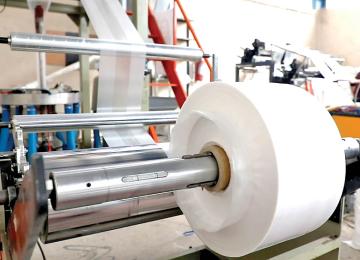
Iran’s polymer market is grappling with one of its most significant disruptions in recent years following damage to parts of the country’s petrochemical infrastructure during the recent conflict…
Feature
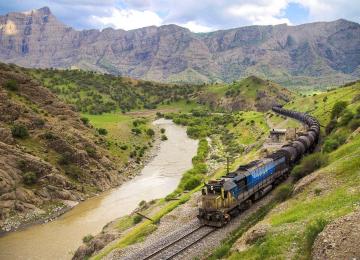
As geopolitical tensions and regional security risks continue to reshape trade flows, Iran is increasingly looking north. The Eurasian Economic Union (EAEU) has emerged as a key pillar of Tehran’s…
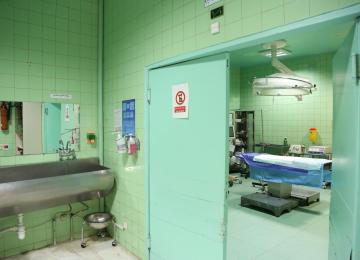
Iran’s healthcare system is facing a growing challenge that receives far less attention than drug shortages or hospital financing: the gradual deterioration of medical equipment. As hospitals…
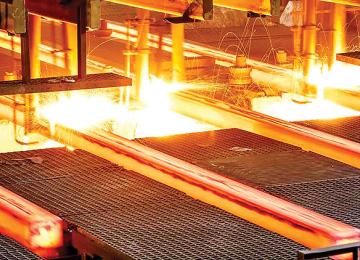
Iran’s steel industry is undergoing a major realignment after disruptions caused by the recent US-Israeli war against Iran reshaped production, trade routes and regional competition. The effects…
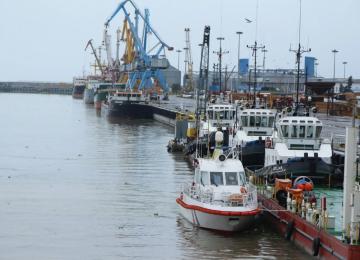
Rising regional tensions are pushing Iran to rethink the structure of its foreign trade network. The recent military conflict involving the United States and Israel against Iran, along with…
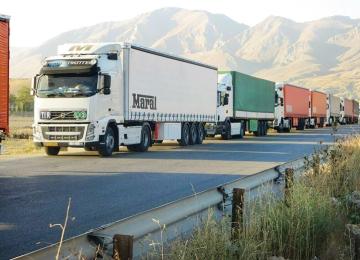
Rising restrictions on maritime traffic and mounting regional tensions have pushed Iran to rely more heavily on neighboring Iraq as an alternative trade corridor.
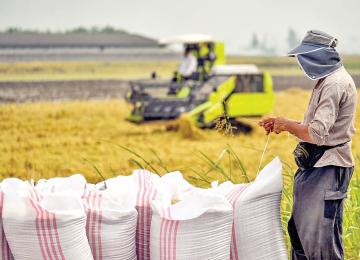
A sharp rise in fertilizer prices in Iran has once again pushed production costs to the center of concerns in the agricultural sector, raising fears about the future of crop output and food…
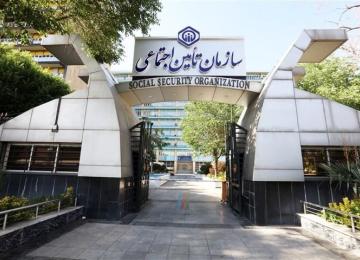
Iran’s labor market is coming under growing pressure as the economic fallout from the recent military conflict with the United States and Israel spreads across factories, workshops and service…
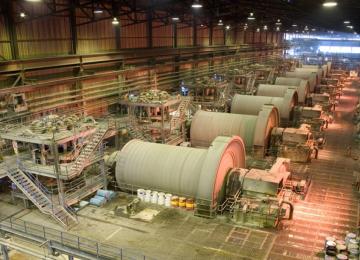
Iran’s copper industry is facing a widening gap between global opportunity and domestic reality. While international demand for copper is rising on the back of renewable energy projects,…
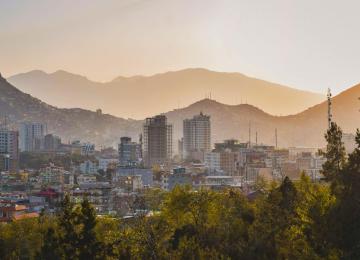
Afghanistan is slowly emerging as an unexpected destination for regional professionals. After years of economic collapse and political instability, the country has entered a fragile recovery phase…
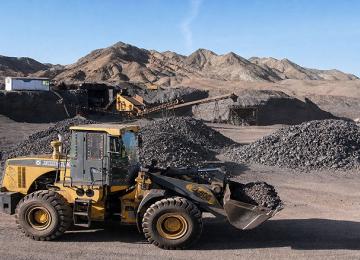
Iran’s mining sector is facing one of its most difficult periods in recent years as rising production costs, tighter regulations and supply chain disruptions squeeze the industry’s already thin…
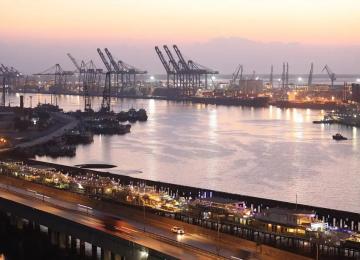
As pressure on Iran’s southern ports intensifies and maritime risks in the Strait of Hormuz rise, Pakistan is emerging as an important trade lifeline for the Iranian economy. The launch of six new…
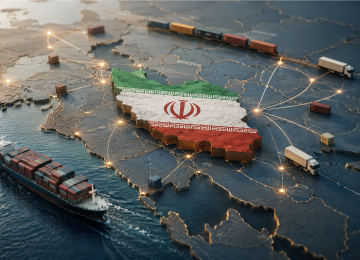
In the modern geopolitical landscape, economic resilience has become as important as military power. From the naval blockade of Germany during World War I to sanctions imposed on countries such as…
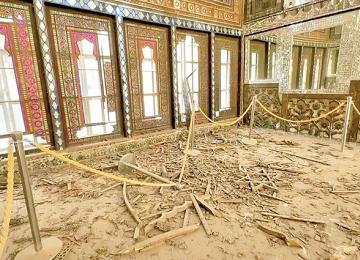
Tourism is widely seen as one of the most shock-sensitive sectors of any economy—and Iran’s recent experience shows how quickly it can slip into contraction when uncertainty rises. Even before…
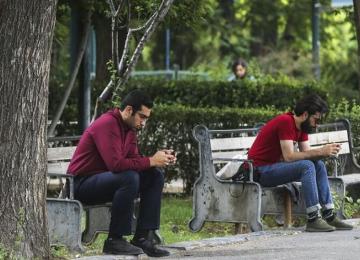
Iran’s labor market is sending mixed signals. On the surface, headline indicators suggest modest improvement. But a closer look reveals a more troubling reality: young people—especially women—are…
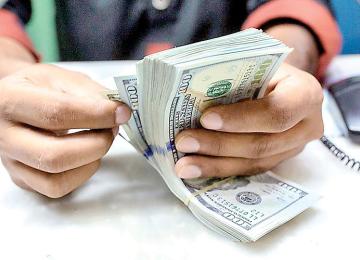
Iran’s foreign exchange market has entered a new phase of volatility, with the dollar rising sharply from around 150,000 tomans early last week to above 170,000 by midweek—and extending its rally…

Iran’s economy was already under heavy pressure before the recent military attacks by the United States and Israel. Chronic inflation, a persistent budget deficit, energy shortages and the…

School closures after the recent US-Israeli military attacks on Iran have left deep and potentially lasting damage on the country’s education system. What began as an emergency response to…
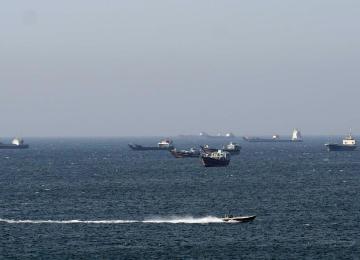
Closing the Strait of Hormuz has long been viewed as one of Iran’s most powerful geopolitical tools, especially during periods of military confrontation with the United States and Israel. Even the…
A temporary ceasefire between Iran, the United States and Israel has created a fragile pause after weeks of conflict. While the physical damage from the recent war is still being assessed, a more…
Iran is at a historic crossroads. A durable nuclear deal following recent tensions with the US could reduce uncertainty, attract investment and ease sanctions, creating a path toward economic…
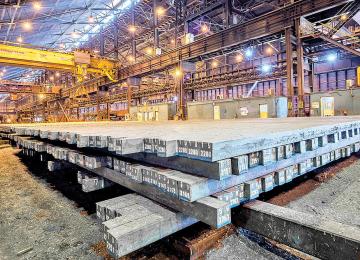
Iran’s steel industry has entered one of its most complex periods in recent years after recent US and Israeli strikes damaged key production sites, including major complexes such as Khuzestan…

A fragile two-week ceasefire following weeks of conflict has created a narrow but critical window for Iran’s economy to stabilize and potentially pivot toward recovery.
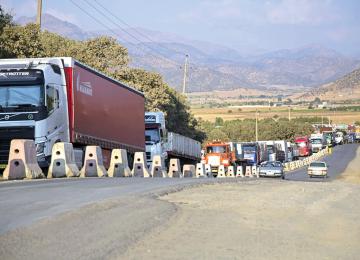
As regional tensions disrupt established logistics corridors, Iran is recalibrating its trade routes to secure the steady supply of essential goods. The effective loss of access to the UAE’s Jebel…
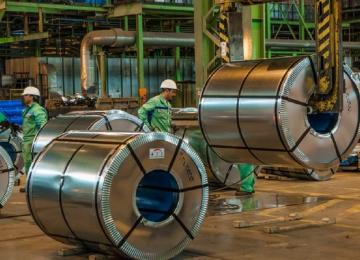
Targeted strikes on Iran’s industrial infrastructure in recent days mark a significant escalation beyond conventional economic pressure, posing immediate and long-term risks to the country’s…